
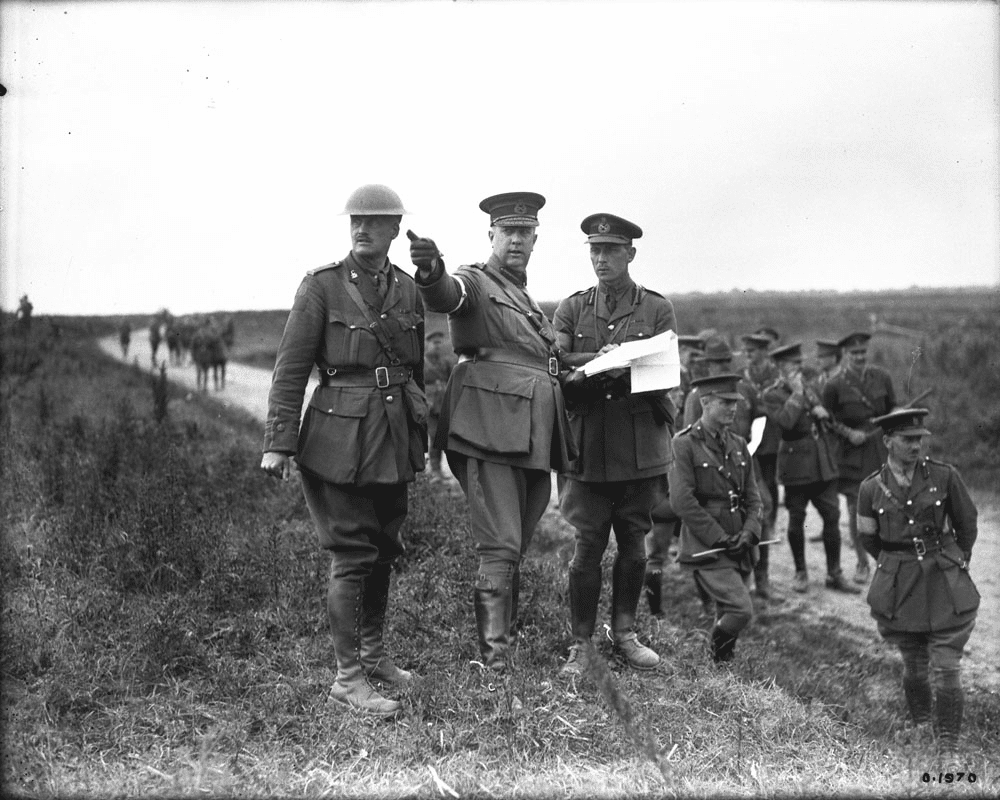
Lieutenant-Colonel (hon) John Ducker
-
The Bay Street Armoury will be renamed the General Sir Arthur Currie Armoury to commemorate the 150th anniversary of Currie’s birth.
-
Currie rose from BC militia volunteer to commander of the 100,000-strong Canadian Corps, leading key First World War victories including Vimy Ridge and the Hundred Days Offensive.
-
The renaming honours his legacy as a military leader and educator whose influence shaped both Canada’s armed forces and its identity.
–
The weekend of Dec 5 and 6 marks the 150th anniversary of the birth of General Sir Arthur William Currie (1875-1933), a soldier, educator, and British Columbian whose leadership helped define Canada’s role in the First World War. To mark this historic moment, Victoria’s iconic Bay Street Armoury will be formally renamed as the General Sir Arthur Currie Armoury, honoring both his legacy and deep British Columbian roots.
Originally born near Strathroy, Ontario, Currie first moved to Victoria in 1894. He was not a career military officer by either upbringing or profession; rather, Currie began his working life as a schoolteacher and businessman. During this time, joining the local militia was an excellent way to expand one’s social and business connections — however, military discipline and study genuinely fascinated Currie. He quickly distinguished himself amongst peers with a remarkable capacity to think clearly, learn rapidly, and lead by example. With no formal military academy training in his background, Currie rose through the ranks by his own merit, intelligence, and determination — qualities that would come to reflect Canada’s own growing confidence on the world stage.
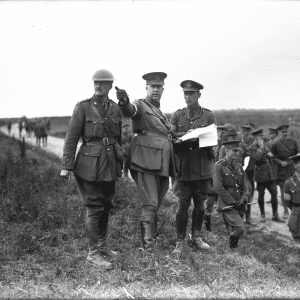
During the First World War, Currie served first as a brigade, and then as a divisional commander, demonstrating a consistent commitment to both strategic preparation and the protection of soldiers’ lives. In 1917, he became the first Canadian-born officer to command the 100,000-strong Canadian Corps, leading it through some of the most significant operations of the war.
Under Currie’s leadership, the Canadian Armed Forces (CAF) earned a reputation as one of the most effective, respected formations on the Western Front. Currie’s meticulous planning and insistence on realistic training also played a central role in the Canadian success at Vimy Ridge, a battle that has now come to symbolize Canada’s emergence as a nation. His leadership during the Hundred Days Offensive in 1918 also helped bring the war to its conclusion, with the Canadian Corps often assigned the most difficult and strategically vital objectives.
After the war’s end, Currie continued his service to Canada as Principal and Vice Chancellor of McGill University, working to expand educational opportunity, strengthen academic excellence, and support returning veterans. Throughout the rest of his life, he remained a respected public voice for preparedness, accountability, and national service.
In renaming the Bay Street Armoury, we honour a local son who rose to become one of the most respected military leaders of his time. But we also honour what he stood for: thoughtful leadership, responsibility in command, and the belief that Canada could and should define its own destiny.