Bordie Lawrence, CAC Training Centre
-
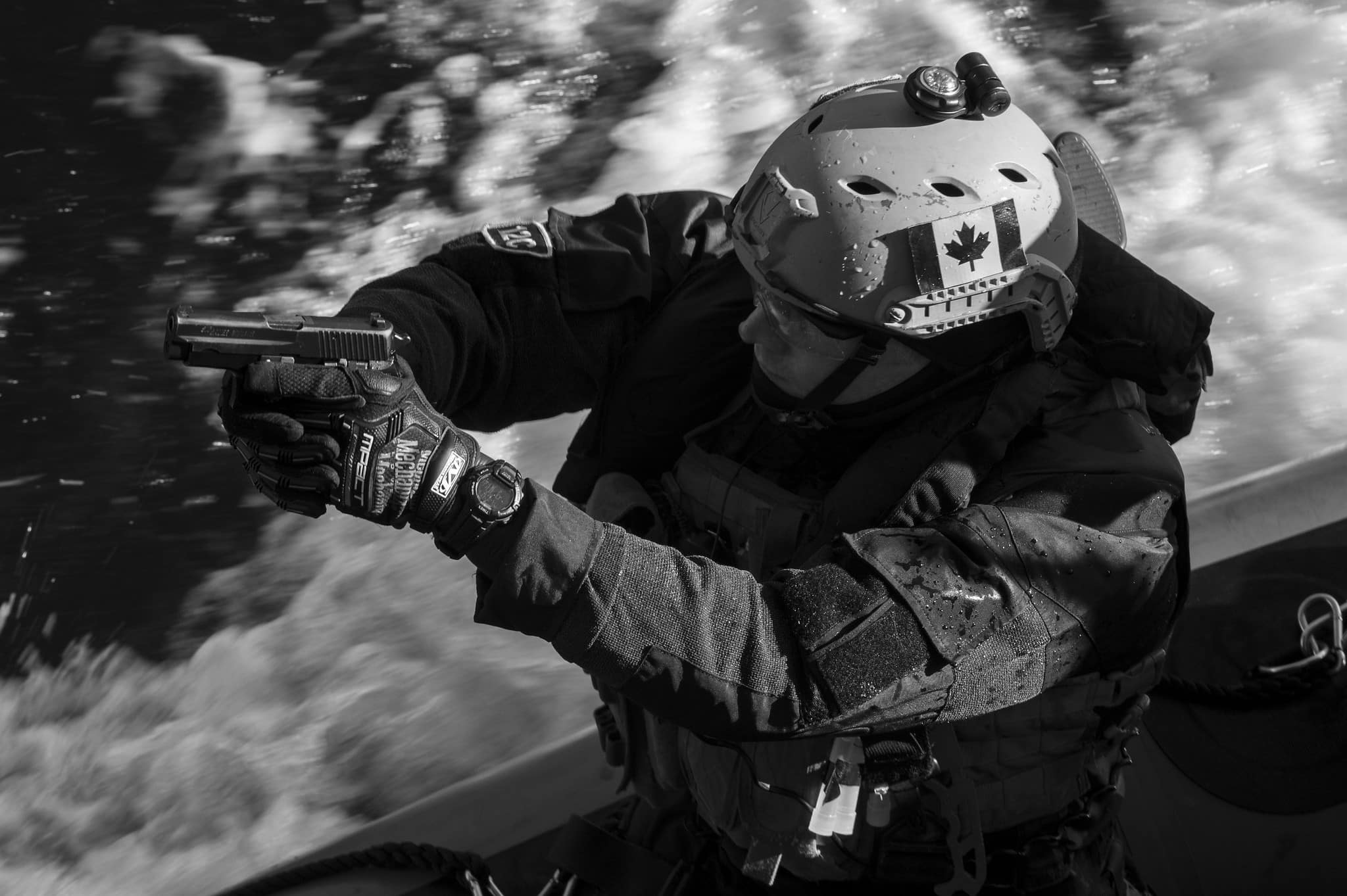
Conduct After Capture (CAC) training equips CAF members with the skills needed to survive captivity, resist exploitation, and deny adversaries critical intelligence.
-
Rooted in real-world case studies and modern conflict realities, CAC training has evolved to meet today’s complex and unpredictable battlespace.
-
CAC Instructors (CACIs) play a vital role in delivering this training, strengthening international partnerships, and preparing peers for the most extreme operational scenarios.
–
Following the events of Sept 11, 2001, and the commencement of the Global War on Terror, it became clear that Canada’s Tier 1 Unit, Joint Task Force 2 (JTF 2), needed new specialized training for personnel deploying overseas. This training would ensure survivability in captivity, deny the enemy valuable military intelligence, and minimize the exploitation of isolated personnel.
As such, JTF 2 members began Resistance to Interrogation (R2I) training to meet this critical need, with support from the British military. By 2005, the first Canadian R2I Instructor Course had been conducted, staffed by British R2I instructors, to fully qualify a pool of Canadian Armed Forces (CAF) members to hold the R2I qualification.
This enabled Canada to begin delivering R2I training independently. The first Canadian-run R2I course was held in 2006, staffed entirely by Canadian instructors. The title of instructor was then officially renamed Conduct After Capture Instructor (CACI). In 2008, the Conduct After Capture Training Centre (CAC TC) was formally established in Kingston, ON, under the Canadian Defence Academy. The program continued to evolve, and in 2019, a comprehensive review led to changes designed to adapt training to the modern global climate, taking into account events such as the annexation of Crimea and the increasingly complex battlespace. The updated program went live in 2021 and continues to adapt to today’s challenges, including the invasion of Ukraine in 2022 and Canada’s ongoing commitments to NATO missions.
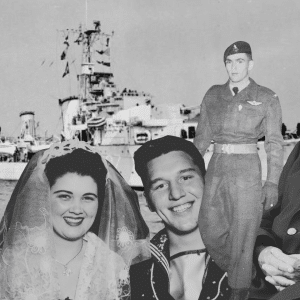
Canadian CAC training has always been informed by real-world events and case studies of personnel being held in captivity. One prominent example often used in CAC training is that of Air Commodore Leonard Joseph Birchall, CM, OBE, DFC, OOnt, CD, remembered as the “Saviour of Ceylon.” On April 4, 1942, while piloting a PBY Catalina flying boat on patrol south of Ceylon, Birchall spotted a large Japanese fleet, the Nagumo Task Force, responsible for the Pearl Harbor attack, heading toward the island. He successfully transmitted a warning message before his aircraft was shot down, and he and his crew were captured. Birchall’s heroism did not end with his sighting report; during captivity he emerged as a leader, advocating for his fellow prisoners and dramatically reducing the death rate of Allied POWs by ensuring they were treated properly. His actions remain a model of resilience and leadership under captivity.
Another case study used at CAC TC is that of Robert R. Fowler, former Deputy Minister of National Defence, and Louis Guay, who were taken hostage by Al-Qaeda in the Islamic Maghreb (AQIM) in the Sahara Desert on December 14, 2008. Fowler, who was serving as a United Nations Special Envoy to Niger, and Guay were held for 130 days. Their ordeal, like others studied at CAC TC, highlights the unpredictable and dangerous realities of captivity and reinforces the importance of preparing CAF members for such possibilities. Many of the case studies taught at CAC TC are not abstract lessons, but living experiences shared directly with instructors and trainees through presentations and conversations with those who endured captivity. These firsthand accounts add depth to training and remind both CACIs and CAF members of the stakes involved.
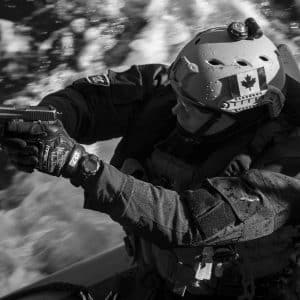
The CAF delivers CAC training at three levels. Level A is introduced during basic training and reinforced through an annual Distance Learning Network (DLN) course that all members are required to complete. Level B is a one-day presentation with audience engagement, delivered exclusively by CACIs, for personnel preparing to deploy or for units requesting additional training on Canadian CAC policy. Level C, the most advanced level, is conducted only at the Conduct After Capture Training Centre in Kingston. It combines academic and practical instruction for personnel assessed to be at the highest risk of captivity, for those applying to become CACIs, and for CAF members seeking to develop this skill set. This training is especially relevant in today’s context, as evidenced by the Russia–Ukraine war, where captivity has become a grim reality for many.
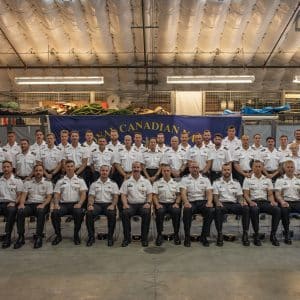
This training also plays an important role in maintaining interoperability with Canada’s allies, particularly within the Five Eyes community; Canada, the United Kingdom, the United States, New Zealand, and Australia. Through shared training, exchange opportunities, and instructor collaboration, CACIs build international partnerships and improve collective readiness. Canada regularly hosts Five Eyes instructors and students for Level C and CACI courses, while Canadian CACIs also travel abroad to teach and learn from allied programs. These exchanges reinforce Canada’s contribution to global security and strengthen the shared knowledge base surrounding captivity survival. Canadian CACIs also engage in international conferences and specialized courses, further broadening their expertise and keeping Canada aligned with NATO and allied standards. Becoming a CACI is both rewarding and demanding. Instructors are drawn from all trades, elements, and ranks, both Regular and Reserve Force. While remaining in their primary occupation, they take on CAC instruction as a specialty role that allows them to prepare their peers for one of the most difficult scenarios imaginable. The process begins with the submission of a Notice of Intent (NOI) on the CAC TC homepage via the DWAN. Candidates are then invited to attend a two-day assessment. Successful applicants must complete a Level C if they have not already done so, followed by the Conduct After Capture Instructor Course. This course not only trains them in the delivery of CAC material but also emphasizes the importance of safety and resilience when exposing CAF personnel to realistic, stress-based environments.
Graduations from the instructor course are marked by a sobering tradition: A former captive shares their experiences with the new instructors, reminding them of the profound responsibility they carry in preparing others for captivity. CACIs may serve part-time while posted to their home units or take full postings to CAC TC, where they continue to progress in their respective Military Occupation Specification Identification (MOSID). In both cases, they remain the only CAF members authorized to deliver captivity training. The role of the Conduct After Capture Instructor is therefore a vital one. CACIs teach and test the skills that may one day save the lives of their peers. Their work is built on the foundation of history, real-world experience, international collaboration, and the unwavering principle that CAF members must be prepared for the unthinkable. At the heart of this mission is the Centre’s motto, to ensure that all members trained can “Survive with Honour and Return with Dignity.”