
Canadian Naval Capability in 2026 and Beyond: The Future of the RCN with RAdm Armstrong
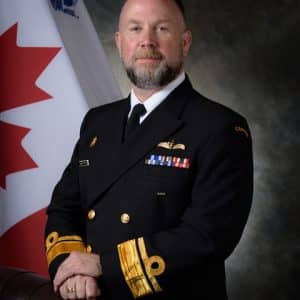
Archana Cini, Lookout Newspaper Rear-Admiral (RAdm) Armstrong outlines a decade of major capability growth for the RCN, including new Arctic and Offshore Patrol Vessels, the Canadian Patrol Submarine Project, and advances in uncrewed systems. RAdm Armstrong emphasizes sailor-focused leadership, modern infrastructure, and mentorship as the foundation for building a future-ready force. - The Royal Canadian Navy (RCN) currently stands at the precipice of a transformative decade — and according to Rear-Admiral (RAdm) Jason Armstrong, Chief of Naval Capability, the coming years promise some of the most substantial capability upgrades in decades. “We just received delivery of the Harry DeWolf class,” said RAdm Armstrong, referring to the new fleet of six Arctic and Offshore Patrol Vessels (AOPVs) helping the RCN operate in regions once out of reach. Armstrong called the class “a phenomenal capability,” noting its successful deployments to the Arctic, Indo-Pacific, and the Caribbean, where the fleet continues to demonstrate its international versatility. Notably, the AOPVs have also successfully deployed further north than any other RCN ship in Canadian history. With the longest coastline in the world, Canada’s underwater surveillance capability is on the mind of RCN leadership. “There’s a lot of new builds coming for our sailors that I’m excited to speak to,” shared RAdm Armstrong. “The Canadian Patrol Submarine Project (CPSP) is very near and dear to my heart.” The CPSP will see up to 12 new submarines join the RCN over the next decade, with each submarine poised with the capabilities to efficiently detect, track, deter, and if necessary, defeat adversaries in all three of Canada’s oceans. “I’m very optimistic with where we’re collectively heading,” said the RAdm. “There are also infrastructure projects on the move to improve quality of life for our sailors, and innovative work being done with regards to drones and uncrewed systems. It’s...
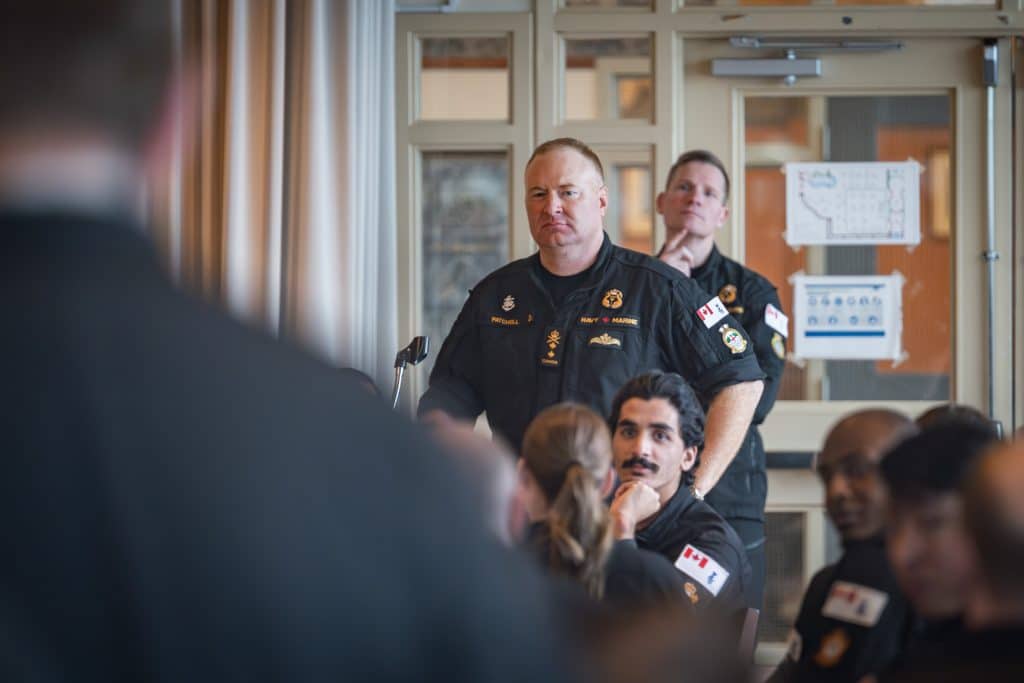
RAdm David Patchell Addresses Questions from Sailors in Town Hall
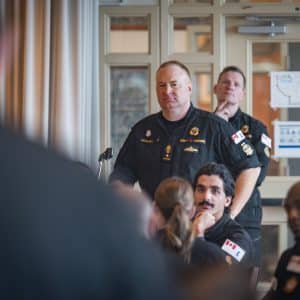
Archana Cini, Lookout Newspaper RAdm Patchell led an open town hall at CFB Esquimalt, addressing fleet expansion, infrastructure renewal, and future Navy priorities. Sailors raised concerns about PT time, training bottlenecks, sea duty pay, security clearances, and childcare shortages. Leadership emphasized professionalism, transparency, and collective responsibility as the Navy grows to meet rising demands. - With the Royal Canadian Navy (RCN) currently short over a thousand sailors, Rear Admiral (RAdm) David Patchell, Commander of Maritime Forces Pacific (MARPAC) and Joint Task Force Pacific ( JTFP), walked into a Nov 19 town hall prepared to speak openly. Hundreds of sailors packed the Rainbow Room at the Canadian Forces Base (CFB) Esquimalt’s Chief and Petty Officers’ Mess for the candid exchange. Split into two open question and answer periods (one for Junior non-commissioned members and another for Chief and Petty Officers), the town hall addressed topics ranging from new service vessels and infrastructure plans to personnel shortages, training bottlenecks, and daily quality-of-life concerns. RAdm Patchell opened the event by thanking sailors for their service during a period of operational demand and transformation, noting that the Navy “must grow two-and-a-half to three times our current size” to meet future requirements. RAdm Patchell also framed the town hall as an open forum, with a ‘no-holds-barred’ approach. He also emphasized three key future priorities for the Formation: defending Canada; regrowing and training the Navy; and inspiring professional warfighters. RAdm Patchell then outlined major Defence investments, calling the progress of the National Shipbuilding Strategy “the most significant recapitalization in generations.” This includes the River-class destroyers, up to 12 new submarines, a future coastal corvette, additional Joint Support Ships, and up to 30 new training vessels. Locally, CFB Esquimalt is also preparing for extensive infrastructure renewal, including new housing, a new Nelles Block, an upcoming Alpha Jetty...
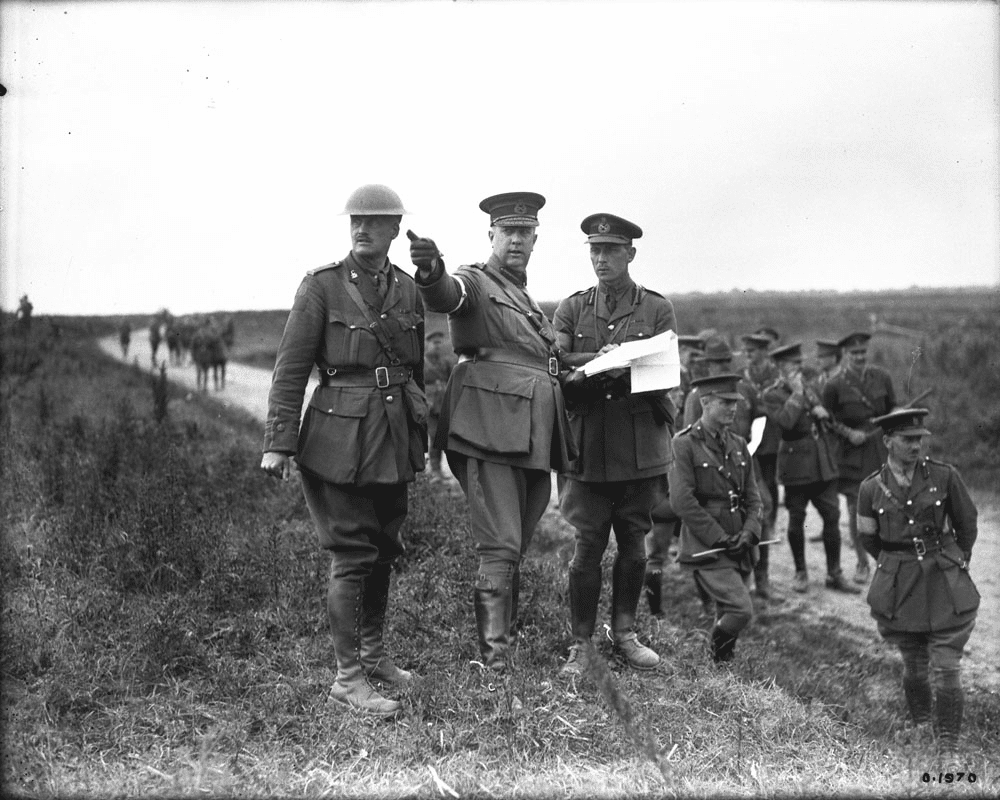
Bay Street Armoury Renamed in Honour of Canadian War Hero
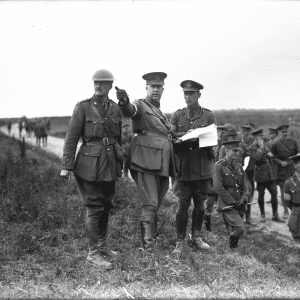
Lieutenant-Colonel (hon) John Ducker The Bay Street Armoury will be renamed the General Sir Arthur Currie Armoury to commemorate the 150th anniversary of Currie’s birth. Currie rose from BC militia volunteer to commander of the 100,000-strong Canadian Corps, leading key First World War victories including Vimy Ridge and the Hundred Days Offensive. The renaming honours his legacy as a military leader and educator whose influence shaped both Canada’s armed forces and its identity. - The weekend of Dec 5 and 6 marks the 150th anniversary of the birth of General Sir Arthur William Currie (1875-1933), a soldier, educator, and British Columbian whose leadership helped define Canada’s role in the First World War. To mark this historic moment, Victoria’s iconic Bay Street Armoury will be formally renamed as the General Sir Arthur Currie Armoury, honoring both his legacy and deep British Columbian roots. Originally born near Strathroy, Ontario, Currie first moved to Victoria in 1894. He was not a career military officer by either upbringing or profession; rather, Currie began his working life as a schoolteacher and businessman. During this time, joining the local militia was an excellent way to expand one’s social and business connections — however, military discipline and study genuinely fascinated Currie. He quickly distinguished himself amongst peers with a remarkable capacity to think clearly, learn rapidly, and lead by example. With no formal military academy training in his background, Currie rose through the ranks by his own merit, intelligence, and determination — qualities that would come to reflect Canada’s own growing confidence on the world stage. During the First World War, Currie served first as a brigade, and then as a divisional commander, demonstrating a consistent commitment to both strategic preparation and the protection of soldiers’ lives. In 1917, he became the first Canadian-born officer to command...
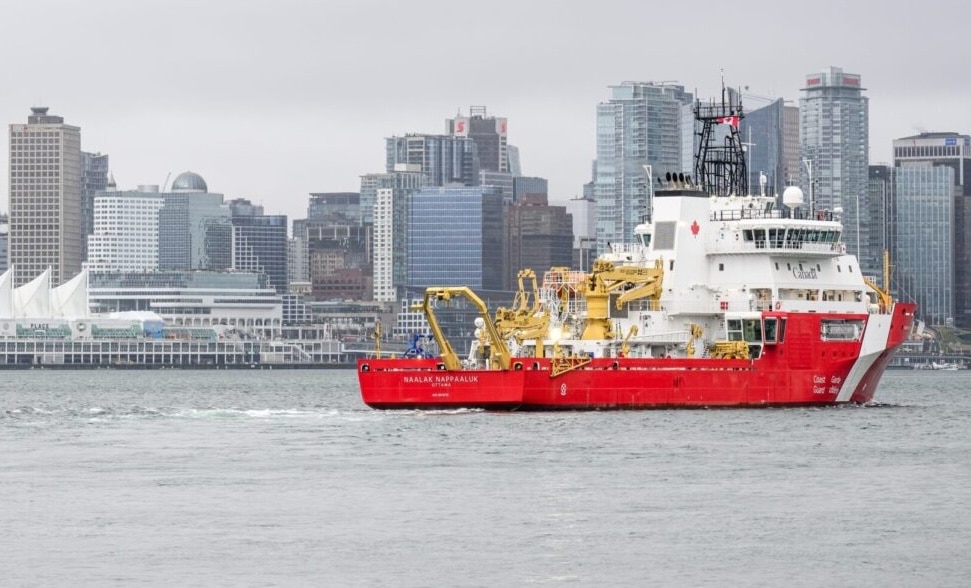
New Offshore Oceanographic Science Vessel to Serve in 2026
Archana Cini, Lookout Newspaper; with extractions by Lisa Gregoire and the Government of Canada Seaspan Shipyards delivered the new Offshore Oceanographic Science Vessel CCGS Naalak Nappaaluk in November, marking a major milestone under the National Shipbuilding Strategy. The vessel is Canada’s largest purpose-built science ship, equipped with labs, sampling systems, and advanced technology for Arctic and Atlantic ocean research, along with capabilities for search and rescue and environmental response. Named in honour of Inuit Elder Naalak Nappaaluk, the vessel symbolizes Canada’s commitment to reconciliation, Indigenous collaboration, and deepening understanding of the marine environment. - A major milestone in Canada’s shipbuilding program was reached this November when Seaspan Shipyards officially handed over the new Offshore Oceanographic Science Vessel (OOSV) Naalak Nappaaluk to the Canadian Coast Guard (CCG). The delivery was celebrated on Nov 13 at Seaspan’s North Vancouver Shipyard and marked the fourth large vessel completed under the Canadian National Shipbuilding Strategy (NSS). Constructed entirely in Vancouver by Seaspan ULC, Canadian Coast Guard Ship (CCGS) Naalak Nappaaluk is set to become the CCG’s largest purpose-built science vessel. Designed to support long-term oceanographic research on both the Atlantic and Arctic coasts, the ship brings a suite of specialized tools and technology to answer Canada’s most pressing marine questions. Onboard features include: dedicated laboratories; an ocean sampling room; a marine mammal observation station; and advanced monitoring systems that will allow scientists to gather data on ecosystems ranging from coastal shallows to deep-ocean environments. Beyond marine research, Naalak Nappaaluk is also equipped to assist with search and rescue, environmental response, and other urgent operations. Notably, the vessel carries the name of Naalak Nappaaluk, an Inuit Elder from Kangiqsujuaq, Nunavik whose work helped preserve Inuit language and culture. Before his passing in 2010, the Elder loved being on a boat at sea to hunt beluga...



Community Musical Jam
December 17, 2025
Community Musical Jam
December 24, 2025
Community Musical Jam
December 31, 2025
CFB Esquimalt: A Historic Naval Base Anchoring Canada’s West Coast
Reach out to Lookout Newspaper
"*" indicates required fields
Share Your Navy Story
Do you have a story about life at CFB Esquimalt or experiences with Canada’s Navy? We’d love to hear from you! Share your unique perspective and contribute to preserving the legacy of our naval community.