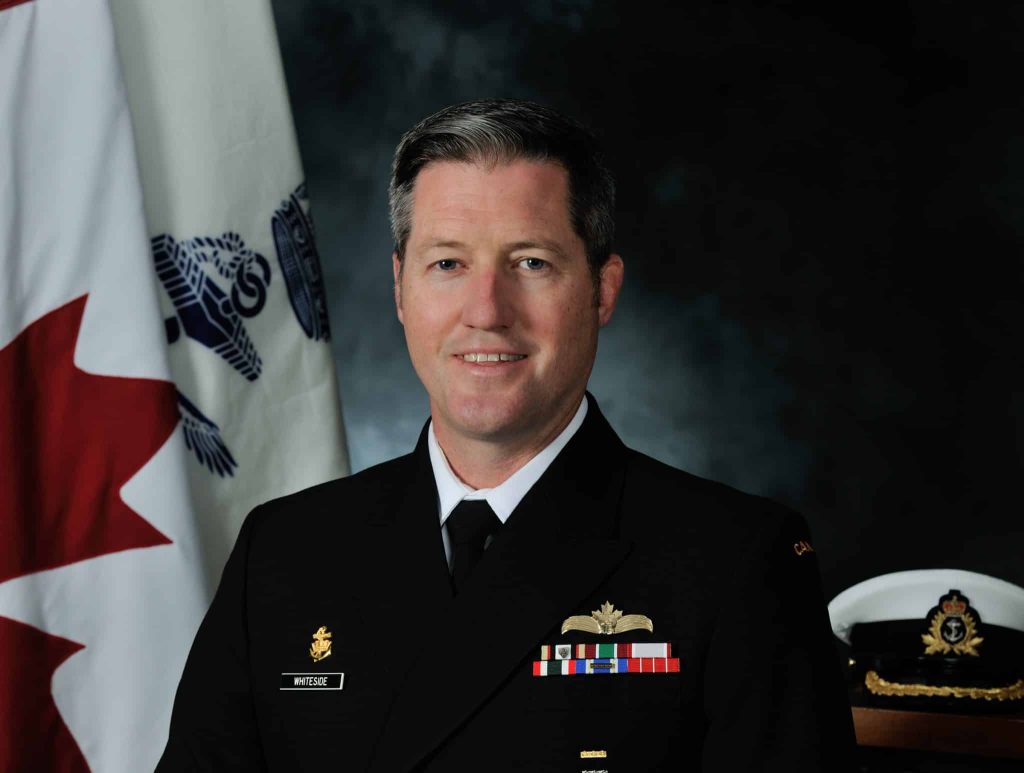
A Letter from the Base Commander of CFB Esquimalt
Dear Lookout Readers and Members of the Defence Community, As many of you are aware, if you are a reader of the print version of this newspaper, you are reading one of the last editions of the Lookout that will roll off a traditional press. Effective April 6, 2026, the Lookout Navy News will transition to a predominantly digital publication from its past paper format. This decision, made in close consultation with the Lookout team and PSP Esquimalt, was not taken lightly. The final print edition on March 23, 2026 will come almost 82 years to the day that the first newspaper arrived at Canadian naval shore facilities in Victoria, decades before Canadian Forces Base (CFB) Esquimalt was formally named. While the broader circumstances driving this shift stem from the well-known challenges facing legacy media, particularly newspapers, it remains a sombre and significant moment for a storied institution woven deeply into the fabric of the Base and the lives of past and present members. We are acutely aware of the potential impacts this change may have on our loyal readers, many of whom hold the ink and feel of newsprint as fundamental to the Lookout's identity. We know many of our readers appreciate the feel of newsprint and the ritual of picking up a physical paper. That tradition has been an important part of the Lookout's identity, and we're grateful for the loyalty and connection it represents. At the same time, evolving habits in how people consume information present us with an opportunity to modernize while building on the strengths that have carried us through eight decades. This transition is about growth — not loss. In 2026, the Lookout moves toward a digital-first model that prioritizes accessible, timely, and engaging storytelling through our website, e-editions, and social media. This shift...
Volume 71, Issue 4, February 23, 2026
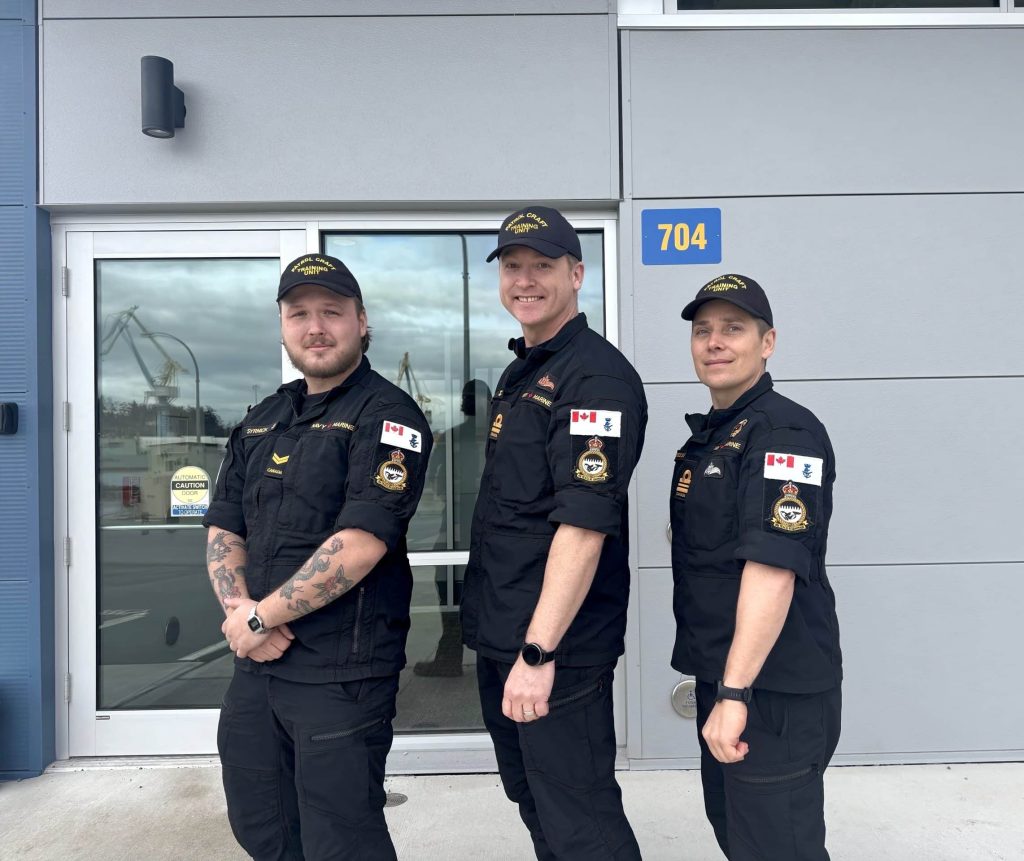
On Track by Leadmark: PCTU Reveals New Unit Crest
Archana Cini, Lookout Newspaper PCTU has revealed its first dedicated unit crest after decades of operating without a unique emblem, marking a new chapter in identity and recognition. Developed over nearly two years with the Directorate of History and Heritage, the crest arrives as the unit grows in size and capacity, expanding from 90 to 186 members. The crest’s symbolism highlights PCTU’s coastal training mandate, featuring an orca, Pacific elements, and the new motto: “On Track by Leadmark.” - After decades of shaping sailors behind the scenes at Canadian Forces Base (CFB) Esquimalt, the Patrol Craft Training Unit (PCTU) is stepping into a new chapter with a symbol that finally belongs to them alone: a dedicated unit crest. For Lieutenant-Commander (LCdr) Kevin Lashinski, Commanding Officer of PCIU, the new crest is much more than a visual update - it represents identity, morale, and the recognition of a unit that plays a critical role in generating skilled sailors for the Royal Canadian Navy (RCN). While the PCTU has long been an essential part of fleet readiness, it had never had a unique crest of its own. Historically, PCTU used the crest associated with Maritime Operations Group 4 (MOG 4). When MOG 4 was elim-inated, the unit defaulted to using the broader fleet crest instead. Now, that has changed. The crest took nearly two years to develop, crafted in partnership with the Directorate of History and Heritage (DHH). The timing is fitting: PCTU is not only growing in profile, but also in size and capacity. When LCdr Lashinski assumed command of the unit just over two years ago, it comprised just over 90 people. In the past year, it has expanded to 186. "Our unit has gotten significantly bigger - in fact, it's doubled," said LCdr Lashinski. "I started working on the...
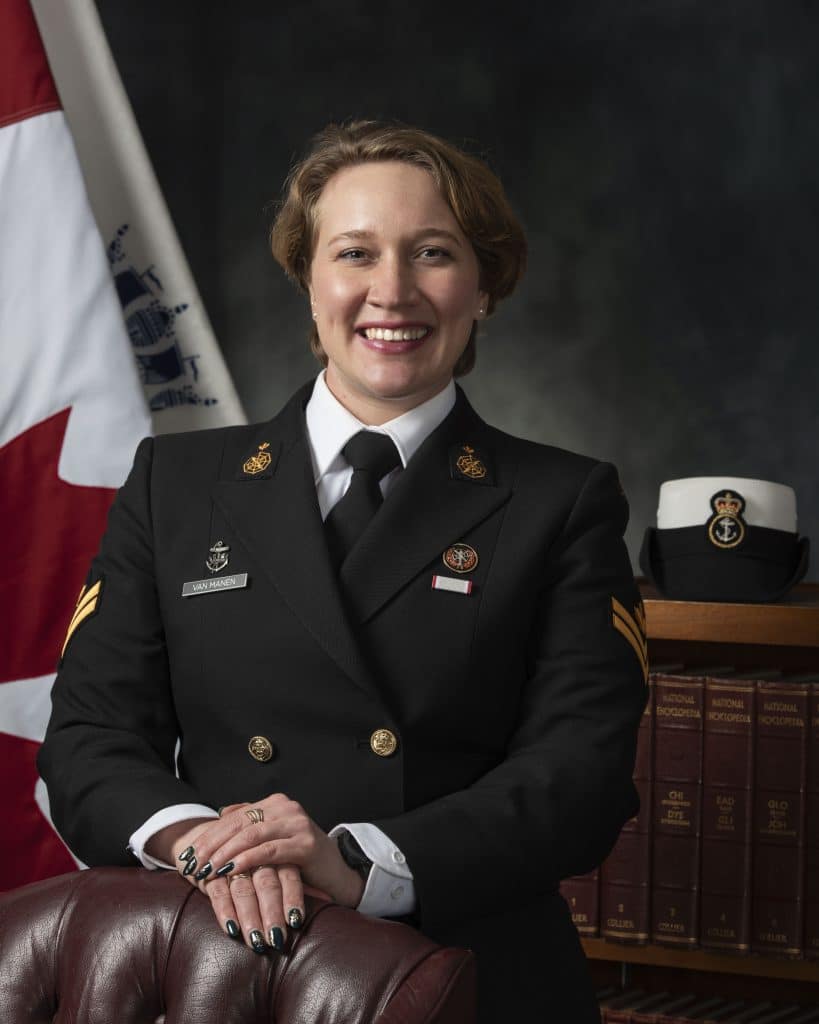
A New Voice for Junior Sailors: MS Van Manen Takes the Helm as Formation Master Sailor
Archana Cini, Lookout Newspaper Whether new to the Royal Canadian Navy (RCN) or the base, approachability is the first thing Master Sailor (MS) Heather Van Manen wants others to notice. “When someone meets me for the first time, I want them to feel that I’m approachable.” Now stepping into her new role as Formation Master Sailor of Maritime Forces Pacific/Joint Task Force Pacific (MARPAC/JTFP), MS Van Manen brings more than rank and experience to the position. She brings the willingness to listen, advocate, and represent junior sailors. MS Van Manen’s story begins in a small town in Ontario, surrounded by mud, books, and nature. “I was definitely a tomboy,” said MS Van Manen. “I was also very much that kid that got in trouble for staying up reading books under the covers with a flashlight.” With her mother working as a teacher, summers were often spent outdoors helping at her grandparents' family camp until MS Van Manen’s teenage years, when her family moved north full time. Before joining the RCN, MS Van Manen also thrived in another demanding environment: the professional kitchen. For five years, she worked in the professional food industry as sous chef at a small bistro in southern Ontario. Eventually, while logging hours to challenge her Red Seal, MS Van Manen hit a turning point. “The pay, the hours, the lifestyle... it just didn’t feel very sustainable anymore,” shared MS Van Manen. Around the same time, MS Van Manen’s best friend had joined the naval reserves, insisting that MS Van Manen would also love it. Then, while on a short trip to Cuba for her mother’s birthday, MS Van Manen met someone attempting to join the French Foreign Legion — another unexpected nudge towards the military. After returning home, MS Van Manen applied to serve online. During the trade selection process, she chose one from each element and left it completely up to fate. MS Van Manen was sworn into service with the RCN on Oct 30, 2019. When asked how her family and friends felt at this career shift, MS Van Manen smiled and said simply, “They were very proud.” Despite the pace...
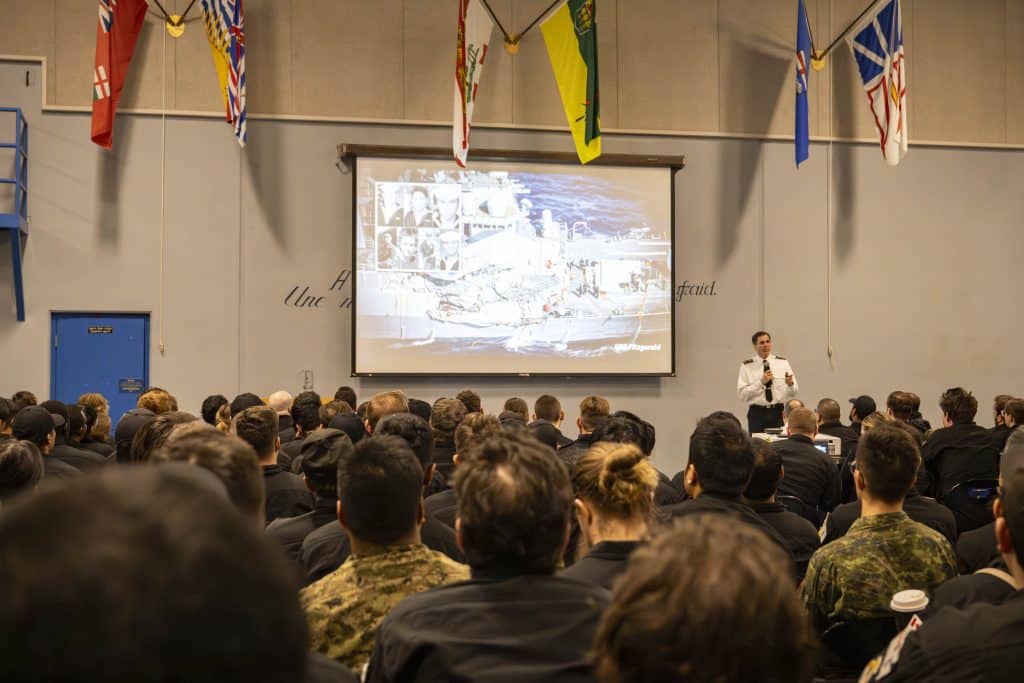
The Navy Canada Needs: VAdm Topshee Hosts Town Hall
A/SLt Jamie De La Chevrotière-Martin, MARPAC Public Affairs Vice-Admiral Angus Topshee, Commander of the Royal Canadian Navy, hosted town halls across both coasts outlining a frank view of today’s security environment and what the RCN must become. He emphasized the need to strengthen maritime awareness to protect Canadian sovereignty, including building a unified maritime picture using sensors, autonomous systems, AI, and secure data-sharing. VAdm Topshee also highlighted shipbuilding and industrial capacity, modernization, and faster personnel generation. - In a series of town halls delivered on both coasts, Vice-Admiral (VAdm) Angus Topshee, Commander of the Royal Canadian Navy (CRCN), offered a frank assessment of today’s security environment and a clear vision for what Canada’s navy must become. His starting point was blunt: the global climate has hardened. While Canada’s 2017 defence policy, Strong, Secure, Engaged, emphasized a stable rules‑based international order, VAdm Topshee said today’s reality is increasingly shaped by power, interests, and competition. In that world, maritime forces matter and Canada must be able to defend its sovereignty. Despite readiness pressures and an aging fleet, VAdm Topshee noted the RCN has always maintained a strong global presence for a navy of its size. But the focus of the town halls was not on past achievements. Instead, he outlined what must happen next: improved maritime awareness; modern ships and submarines; faster and smarter personnel generation; and a culture focused relentlessly on competence, readiness, and war fighters. MARITIME AWARENESS AND CANADIAN SOVEREIGNTY Canada’s defining challenge remains geography. With the longest coastline in the world, three oceans, and vast maritime approaches, Canadians expect their navy to know what is happening on and under national waters. To close that gap, VAdm Topshee described a whole‑of‑government effort to build a single recognized maritime picture. This includes: the Coast Guard’s expanding surveillance mandate; partnerships with industry...
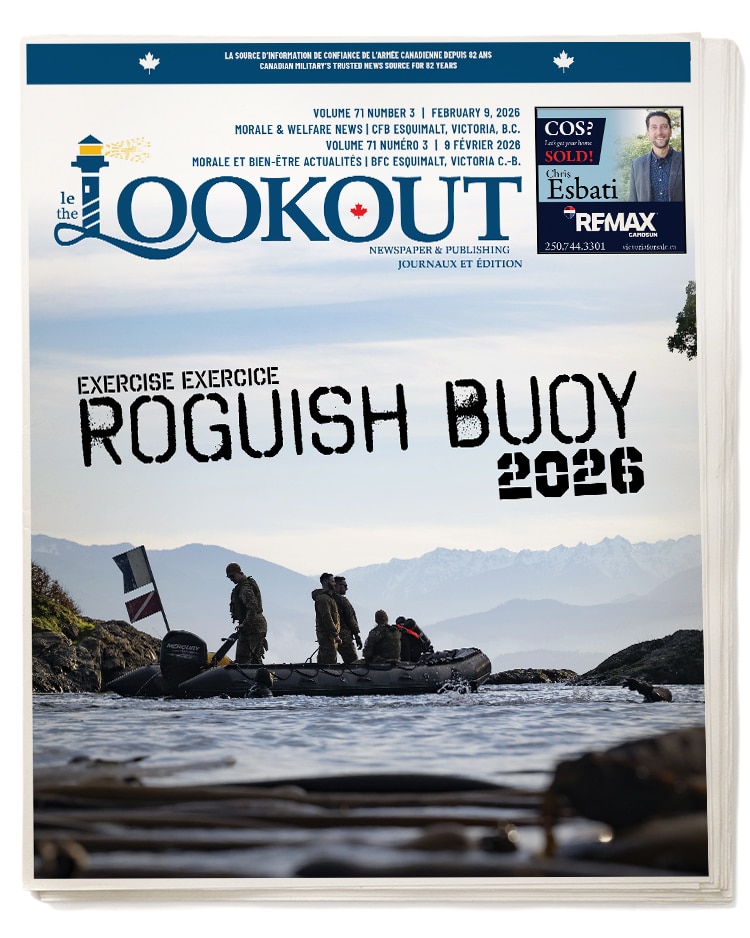
Volume 71, Issue 3, February 09, 2026
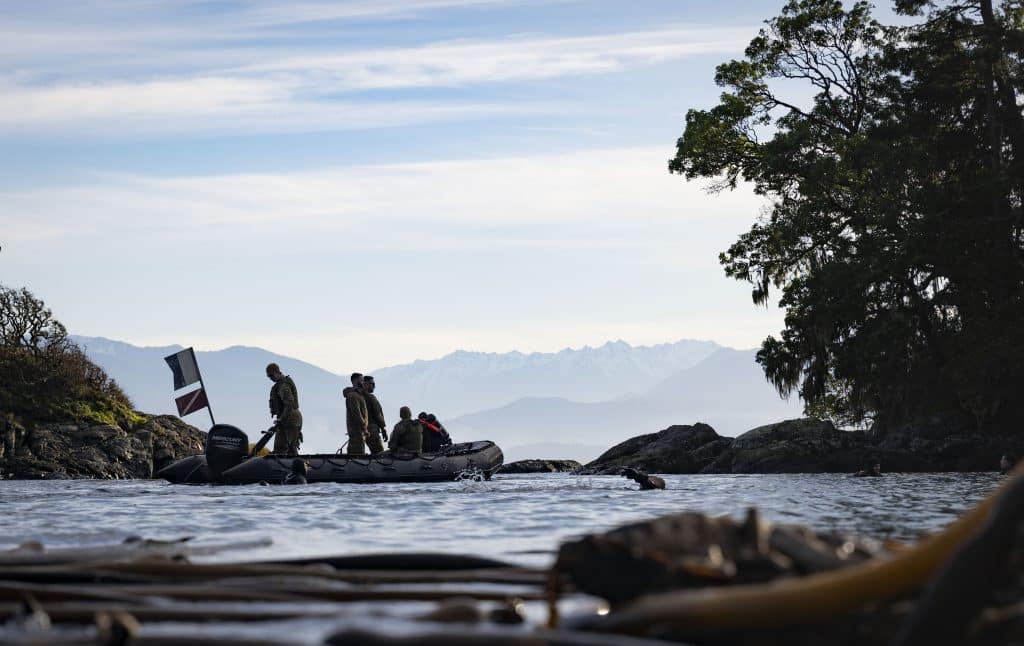
Exercise ROUGISH BUOY 2026: Demanding International Diving Exercise Returns to Vancouver Island for Third Consecutive Year
Archana Cini, Lookout Newspaper. Contributions by Capt Surbhi Matta, Combat Training Centre Exercise ROUGISH BUOY 2026 brought CAF combat divers back to Vancouver Island for the third consecutive year, training at Albert Head and Whirl Bay’s Underwater Demolition Range. First held in 1979, ROUGISH BUOY remains Canada’s only dedicated collective combat diver exercise, focused on operational readiness, recertification, and advanced underwater skills. This year’s 47th iteration included multinational participation from the United Kingdom, Latvia, Germany, and the Netherlands. - An uncommon sight greeted the Vancouver Island shoreline near Albert Head and Whirl Bay Underwater Demolition Range this January: that of Canadian Armed Forces (CAF) combat divers, suited, and sub‑ merged as they practised demanding underwater skills in the Pacific Ocean. Meet Exercise (Ex) ROUGISH BUOY 2026, Canada’s only dedicated collective training exercise that annually unites Canadian and international combat div‑ ers for diving practice, skill development, international cooperation, and dive recertification. The history of Ex ROUGISH BUOY stretches back decades in Canadian history, with its first iteration held in 1979. The exercise was initially created to ensure that combat dive teams could annually maintain oper‑ ational readiness and proficiency for tasks that might be required while deployed, including underwater demoli‑ tion, reconnaissance, and obstacle clearance. Over the years, the exercise has rotated locations and grown to include participating nations. This shift began to foster cooperative learning and technical exchange in addition to holding Canadian combat divers to high operational standards. This year’s installment saw divers return to Vancouver Island for the third consecutive year and the exercise’s 47th iteration. Once at Whirl Bay, the training was challenging. Divers worked through underwater demolition scenar‑ ios, placing charges to clear obstructions prior to deton‑ ation. The exercise also covered underwater navigation; insertion and extraction techniques; and water to land transitions from swimming...
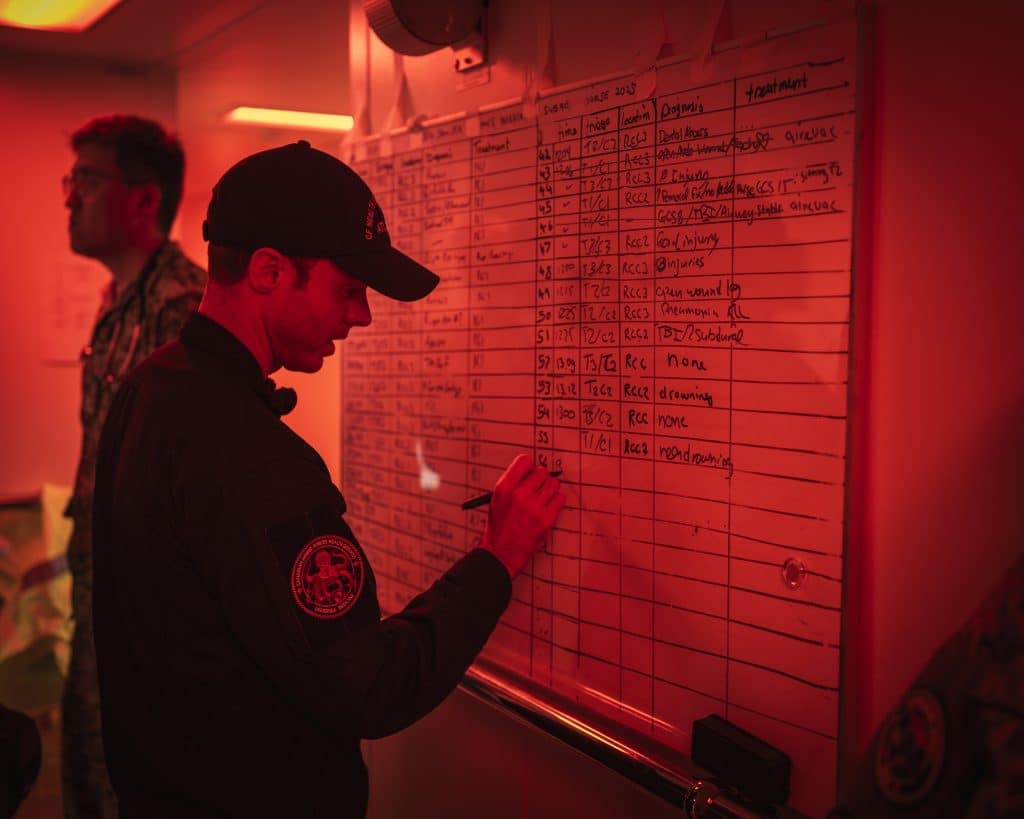
A New Year, A New Focus on Security: Welcome to Security Awareness Week
L2 Stephen Vallis, L2 MARPAC /JTF(P) Physical and Personnel Security Officer Security Awareness Week runs Feb 9–13, 2026, with the theme 'Security starts with you,' reminding Defence Team members that protecting information, materials, and facilities is a shared responsibility. Members are encouraged to adopt a security mindset by staying proactive, learning workplace zone requirements, understanding classified materials, and knowing who to contact for guidance within their unit. Members are also reminded to track and maintain their security clearance status, and to note that the new Personnel Security Processing System (PSPS) replaced WebSCPS in Nov 2025 for all clearance requests and updates. - This year, Security Awareness Week is observed from Feb 9 to 13, with the 2026 theme being ‘Security starts with you.’ For those of us in the Defence Team, many of these changes impact our daily business: we clearly have many global rivals whose goals conflict with our own. These entities may include foreign nations and their intelligence services; foreign and transnational terrorist networks; and criminal elements. No matter your role in the Defence Team, you have access to information, materials, and facilities that will be of interest to all those entities. Collectively and individually, we have a responsibility to protect these things. Effective security requires everyone to develop a security mindset: a proactive, vigilant way of thinking that involves constantly looking for vulnerabilities and potential failures, often described as ’thinking like an attacker’ to anticipate how systems, data, or physical assets could be misused, broken, or compromised, and then taking steps to prevent that. Similarly, we need everyone to support a culture of security awareness, which is achieved when security considerations are included in all planning and day to day operations, and all Defence Team members adopt shared values in the way we think about and approach...
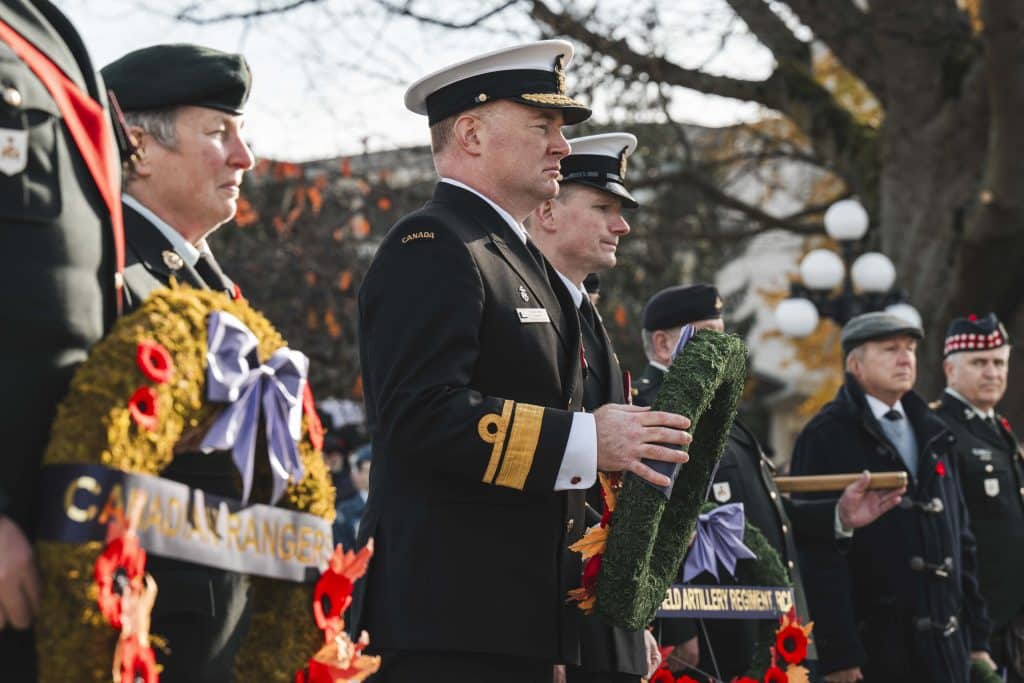
In Conversation with Rear-Admiral David Patchell: On Leadership, the Courage to Trust, and The Will To Fight
Lindsay Groves, Lookout Newspaper Today, leadership carries many definitions and, at times, misunderstandings. It can appear to be a lot of certainty, command, and action — necessary qualities for any leader. Yet there are foundational elements of leadership that are often less noted, such as calmness, serenity, integrity, and courage. Those are words used to describe Major (Maj) Dick Winters in the book Conversations With Major Dick Winters: Life Lessons From The Commander Of The Band Of Brothers by Cole C. Kingseed. Winters’ story was brought to life by Steven Spielberg and Tom Hanks in the HBO series Band of Brothers, which shared his experience in the Second World War and the hard-earned respect he earned as a leader. Winters, that book, and my work with the CFB Esquimalt community inspired this article — and I hope a series — because leadership is only a word until you witness it in action. When I sat down with Rear-Admiral (RAdm) David Patchell, Commander of Maritime Forces Pacific (MARPAC) and Joint Task Force Pacific ( JTFP), to learn more about his thoughts on leadership, morale, and service, he was quick to redirect the spotlight. “It’s difficult to talk about one’s own leadership,” said RAdm Patchell. “It’s much easier to talk about the amazing leadership I see around this formation.” On the bridge, across the base, at sea and at home, leadership is all around us. “I was on board [His Majesty’s Canadian Ship] HMCS Regina this week,” he continued. “The way that the command team leads — absolutely impressive. The Commanding Officer (CO) Darren Sleen inspires his team by talking about the importance of things as simple as drills and writing them out. Everyone can go and read the CO’s philosophy and understand, in detail, why what they’re doing is important.” RAdm...
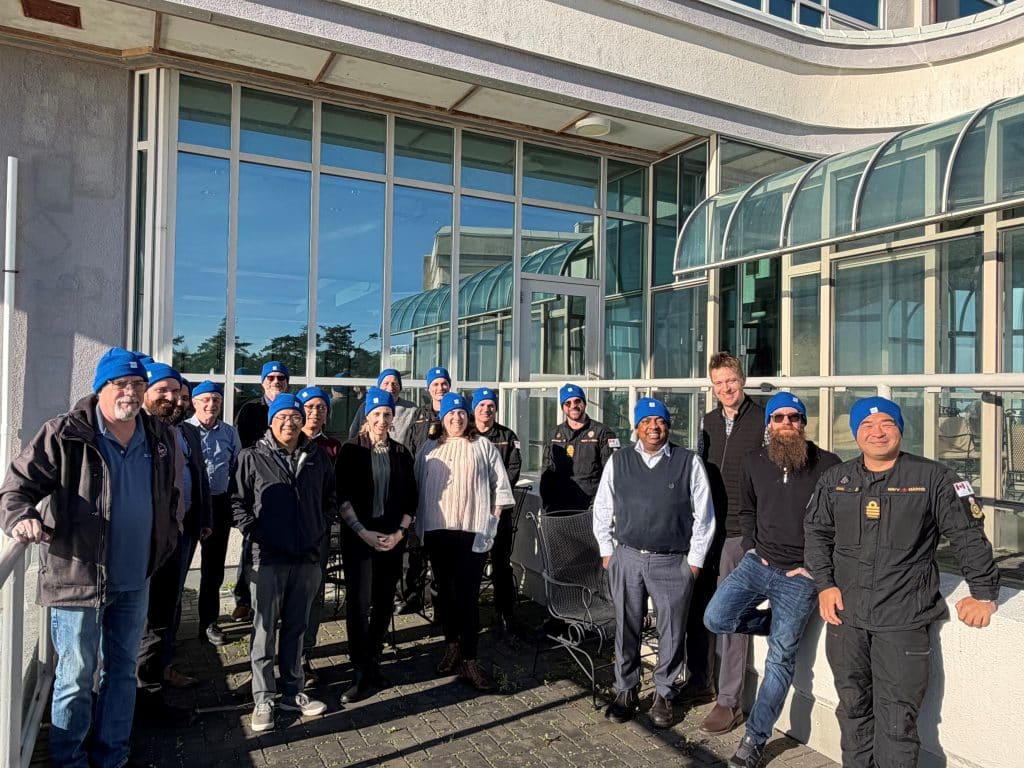
Bell Let’s Talk Day Yoga Supports Mental Wellness at CFB Esquimalt
Archana Cini, Lookout Newspaper Defence Team members at CFB Esquimalt gathered at Work Point’s Nixon Gym on Jan 21 for a free guided yoga practice in recognition of Bell Let’s Talk Day 2026. Hosted by MARPAC’s Mental and Social Wellness Working Group, the session encouraged DND staff to 'take a moment for mental health'. PSP instructor Allison Jones shared how yoga supports resilience, stress management, and community, while mental health resources were available on site to reinforce ongoing support. - On Jan 21, Defence Team members at Canadian Forces Base (CFB) Esquimalt were invited to pause, breathe, and reconnect during a free guided yoga practice held in recognition of Bell’s annual Let’s Talk Day. Hosted by MARPAC’s Mental and Social Wellness Working Group, the midday session took place at Work Point’s Nixon Gym and welcomed both civilian and uniformed Department of National Defence (DND) staff to ‘take a moment for mental health,’ the theme of Bell Let’s Talk Day 2026. Participants stepped away from their workday and into a calm, supportive space focused on movement and mindfulness. With yoga equipment provided on site, attendees enjoyed a welcoming guided practice led by Personnel Support Program’s (PSP) Allison Jones. The practice emphasized gentle stretches, mind-body-muscle connection, and breathwork designed to help support overall wellbeing. “Mindfulness and yoga can support the mental health and wellness of Defence team members by helping them stay present and focused, even in busy or demanding environments. Through movement and breath, yoga encourages mindfulness — paying attention to purpose in the moment,” said Jones. “It also helps build a sense of community and gives people tools to reset, manage stress, and feel more grounded, both individually and as a team.” Bell Let’s Talk Day is dedicated to opening conversations about mental health and reducing stigma across Canada. This...
Volume 71, Issue 2, January 26, 2026
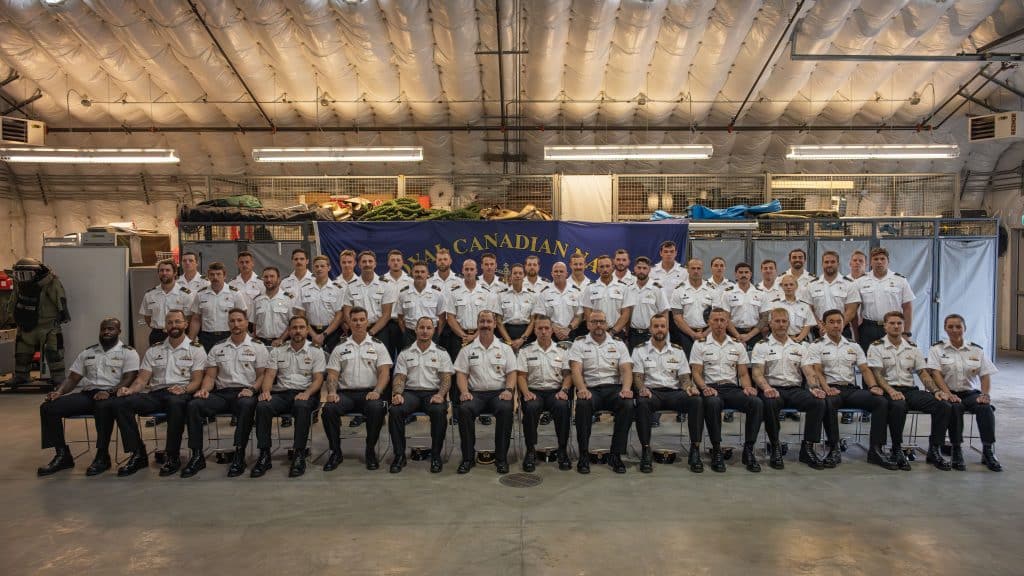
School of Diving Surges Training
Lt(Navy) Michael Cormie, Fleet Diving Unit (Pacific) Fleet Diving Unit (Pacific) is currently training two concurrent classes of RQS1 Clearance Divers, with a record of 19 students currently enrolled. The 13-month course prepares divers for complex, real-world operations through intensive training in diving systems, fleet support skills, and more. Despite infrastructure challenges and ongoing reconstitution, the School of Diving is adapting to rebuild capacity and deliver highly trained clearance divers. - Petty Officer 2nd Class (PO2) Paul Paquette has his work cut out for him. He is the course instructor for one of two classes of RQS1 Clearance Divers being run concurrently at the School of Diving at Fleet Diving Unit (Pacific) (FDU(P)) this year. A record-high number of 19 students started their training in October 2025, aiming to graduate the high-intensity, thirteenmonth course in late October 2026. PO2 Paquette will help them get there. Shortly after the courses began, students were on parade for the graduation of 2025’s class of divers. “The training is very much a marathon,” said Paquette. “So I hope being on parade helped them visualize what they are working towards when they graduate next year.” Over the duration of the course, the students will learn to dive with various types of diving equipment including the Compressed Air Breathing Apparatus, Surface Supplied Diving, and the two types of rebreather. In addition to the diving itself, students will learn other vital skills including rigging, driving various vehicles and boats, and operating recompression chambers. They will also cover introductory skills in Explosive Ordnance Disposal (EOD) at the Canadian Forces School of Military Engineering in Gagetown. Students will also be introduced to methods of searching for, identifying, destroying, and/ or recovering naval mines that have been rendered safe. They will also learn how to provide engineering support to the...
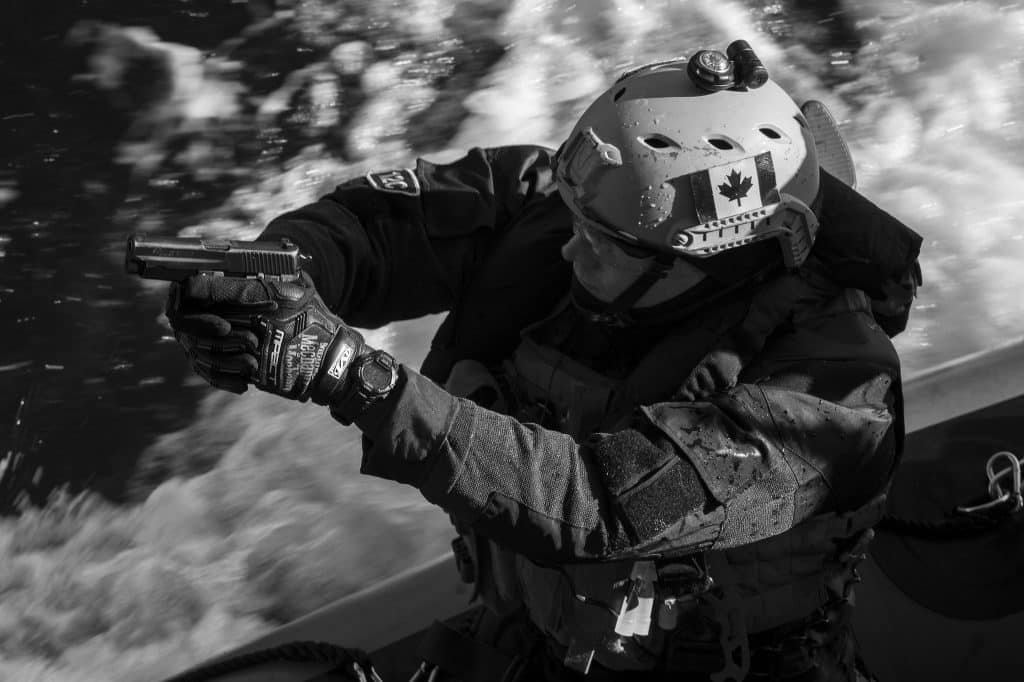
The Importance of Conduct After Capture (CAC) Training and Becoming a CAC Instructor
Bordie Lawrence, CAC Training Centre Conduct After Capture (CAC) training equips CAF members with the skills needed to survive captivity, resist exploitation, and deny adversaries critical intelligence. Rooted in real-world case studies and modern conflict realities, CAC training has evolved to meet today’s complex and unpredictable battlespace. CAC Instructors (CACIs) play a vital role in delivering this training, strengthening international partnerships, and preparing peers for the most extreme operational scenarios. - Following the events of Sept 11, 2001, and the commencement of the Global War on Terror, it became clear that Canada’s Tier 1 Unit, Joint Task Force 2 (JTF 2), needed new specialized training for personnel deploying overseas. This training would ensure survivability in captivity, deny the enemy valuable military intelligence, and minimize the exploitation of isolated personnel. As such, JTF 2 members began Resistance to Interrogation (R2I) training to meet this critical need, with support from the British military. By 2005, the first Canadian R2I Instructor Course had been conducted, staffed by British R2I instructors, to fully qualify a pool of Canadian Armed Forces (CAF) members to hold the R2I qualification. This enabled Canada to begin delivering R2I training independently. The first Canadian-run R2I course was held in 2006, staffed entirely by Canadian instructors. The title of instructor was then officially renamed Conduct After Capture Instructor (CACI). In 2008, the Conduct After Capture Training Centre (CAC TC) was formally established in Kingston, ON, under the Canadian Defence Academy. The program continued to evolve, and in 2019, a comprehensive review led to changes designed to adapt training to the modern global climate, taking into account events such as the annexation of Crimea and the increasingly complex battlespace. The updated program went live in 2021 and continues to adapt to today’s challenges, including the invasion of Ukraine in 2022 and Canada’s ongoing commitments to NATO missions. Canadian CAC training has always been informed by real-world events and case studies of personnel being held in captivity....
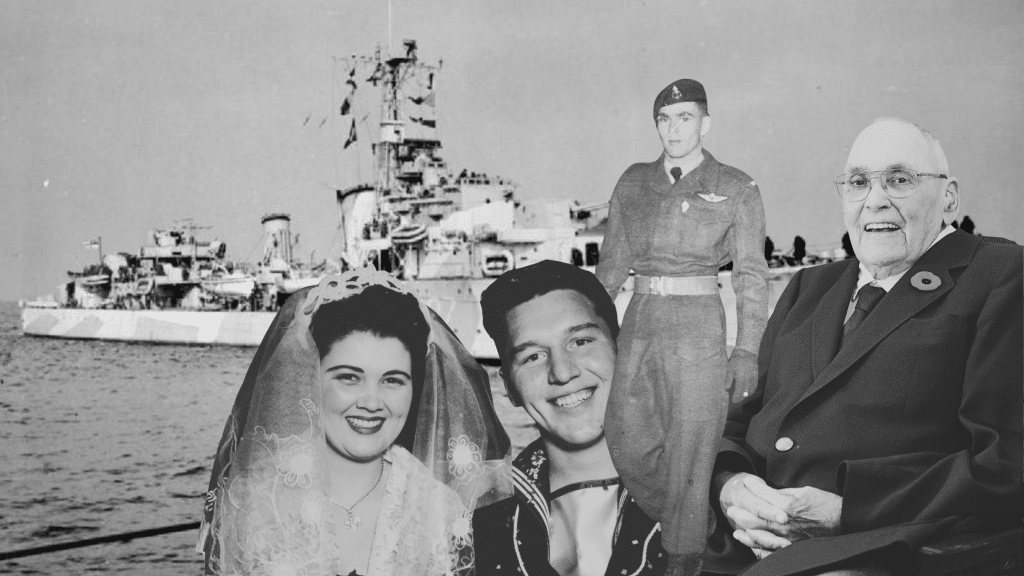
Reunited After Decades: Korean War Shipmates Reconnect in Retirement
Archana Cini, Lookout Newspaper Three former Royal Canadian Navy (RCN) sailors who served together as teens during the Korean War reunited unexpectedly in their 90s at the Veterans' Lodge, a Broadmead Care home. The men shared memories of life aboard His Majesty's Canadian Ship (HMCS) Athabaskan II, from demanding boiler room work to long months at sea. Their reunion offered a powerful reminder of service, sacrifice, and the lasting bonds formed at sea. - For Roy Mackay, Gil Russell, and Don Russell, life in the Royal Canadian Navy (RCN) as teens meant hard work and discipline. Almost eight decades later, life would give them an unexpected gift — a sudden reunion of shipmates now in their nineties. Now 92, 95, and 94 respectively, (Gil and Don are unrelated, and Don passed away shortly before being interviewed) the three reunited at Victoria’s Broadmead Care Society for the first time in decades. The last time they saw each other was when they were only 16, 18, and 19, serving aboard His Majesty’s Canadian Ship (HMCS) Athabaskan during the Korean War, a vessel often nicknamed ‘Athabaskan II’ or ‘Athabee’. A Tribal-class destroyer, Athabaskan II deployed on three wartime tours starting in 1950 with duties ranging from antisubmarine patrols to troop transport, evacuations, and bombardments. The vessel was in service to Canada from 1948 to 1966. Gil, Roy, and Don all deployed together during its third wartime tour, working as stokers in the boiler room. “I was glad to get out of the army and into the navy, you know,” said Roy. “The navy actually helped me find a job during my return to civilian life, and that was really important to me.” Roy shared details of his work once aboard Athabaskan II for his first deployment with the RCN. “It was freezing down...

Volume 71, Issue 1, January 12, 2026
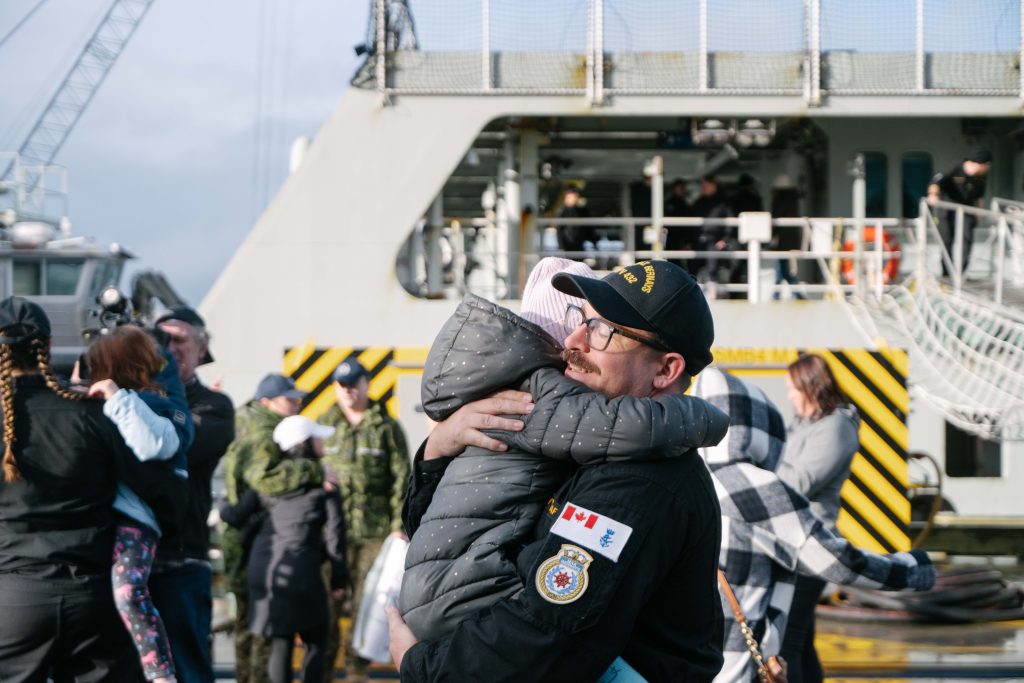
Home for the Holidays: HMCS Max Bernays Returns After Historic Deployment
Kelley Stark, MARPAC PA His Majesty's Canadian Ship (HMCS) Max Bernays returned home on Dec 19 after a four-month deployment spanning the Arctic and Indo-Pacific under Operations LATITUDE, HORIZON, and NEON. The ship made Royal Canadian Navy (RCN) history by reaching 81° North, the furthest north ever sailed by a Royal Canadian Navy vessel, reinforcing Canada’s Arctic sovereignty. - His Majesty’s Canadian Ship (HMCS) Max Bernays sailed into its home port on Dec 19, marking the end of a four-month deployment that spanned the Arctic and Indo-Pacific regions under Operations (Op) LATITUDE, HORIZON, and NEON. The crew and their loved ones were thrilled to be reunited. Even the weather seemed happy to see them together as the sun came out on a rather rainy day just as the crew disembarked. Rear-Admiral (RAdm) David Patchell, Commander of Maritime Forces Pacific (MARPAC) and Joint Task Force Pacific ( JTFP), was on the jetty to welcome them home, stating, “It is a crew of exceptional sailors supported by absolutely amazing families,” he said. “They’re home in time for the holidays for a well-deserved break.” The Harry DeWolf-class Arctic and Offshore Patrol Vessel (AOPV) made history during Op LATITUDE by reaching 81° North, the farthest north any Royal Canadian Navy (RCN) vessel has ever sailed. This milestone demonstrates Canada’s growing ability to operate in the High Arctic, and reinforces our sovereignty in a region of increasing global importance. “It is incredible. It is barren. It is breathtaking,” said Commanding Officer of the ship, Commander Nadia Shields. “It is ice as far as the eye can see, and I would say that the Arctic is something that we definitely need to protect.” Following its time in the Arctic, Max Bernays sailed to the Indo-Pacific, visiting ports in Alaska, Hawaii, Japan, the Philippines, and South Korea...
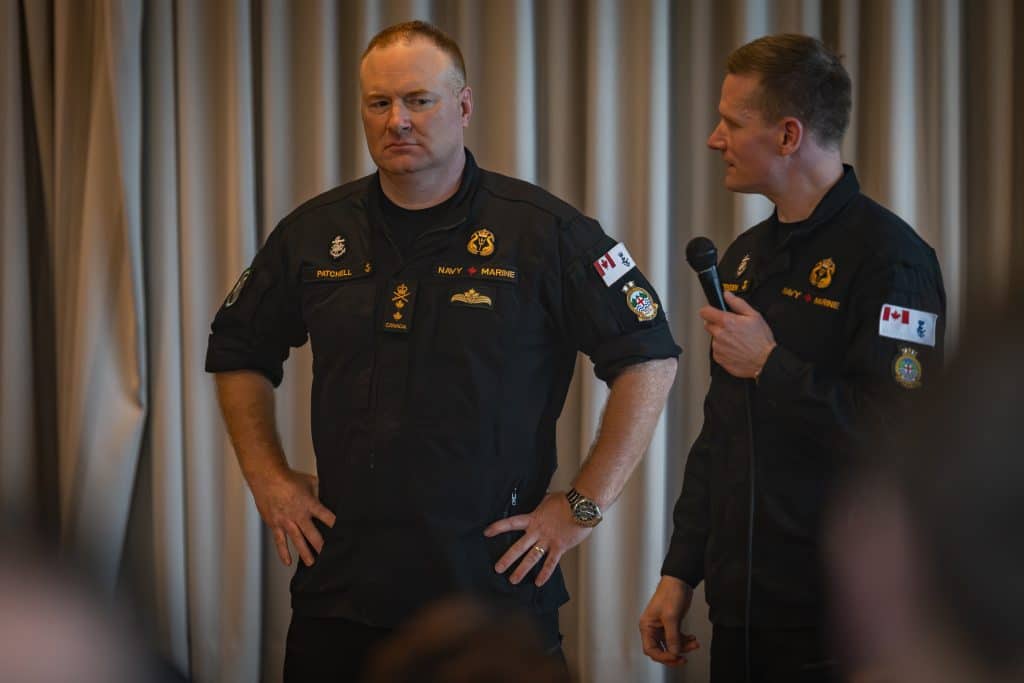
Sailing into 2026 with the RCN: Rear-Admiral town hall recap
LCdr Michelle Scott, MARPAC The Royal Canadian Navy (RCN) hosted a town hall for sailors in late 2025, allowing them to ask questions regarding the future of the navy and any potential concerns. Questions asked by sailors during the town halls centred around the themes of housing, security, and force generation. Responses from RCN leadership can be read below. - In November, Rear-Admiral (RAdm) David Patchell, Chief Petty Officer 1st Class (CPO1) Jonathon Sorensen, and Formation Master Sailor (MS) Haley LeClair held a series of command town halls for the Formation. While not every question and answer is captured here, these questions highlight the predominant themes of housing, security, and force generation. HOUSING Q: How is the Navy addressing housing challenges for our sailors, soldiers and aviators, especially as we work to grow the force and accommodate those on the Basic Training List? A: We recognize that housing remains one of the most pressing challenges. At present, inventory of housing on Base is insufficient, and we are committed to addressing this gap through multiple approaches. New infrastructure projects are underway, including the soon-to-start construction of multiplexes, the purchase of a condominium building at 244 Island Highway, and we are exploring additional options to meet the needs of our members. We are also working closely with local communities to ensure there is adequate housing in the surrounding area. With over 1,800 personnel on the Basic Training List, accessible and affordable lodging for these members is a priority. In the interim, services like the MFRC housing coordinator help connect members with rental opportunities. Q: What is being done to improve infrastructure and maintain morale and retention while major projects like the Nelles Block replacement and the new mess facility are still years away? A: We know that infrastructure limitations and delays affect...
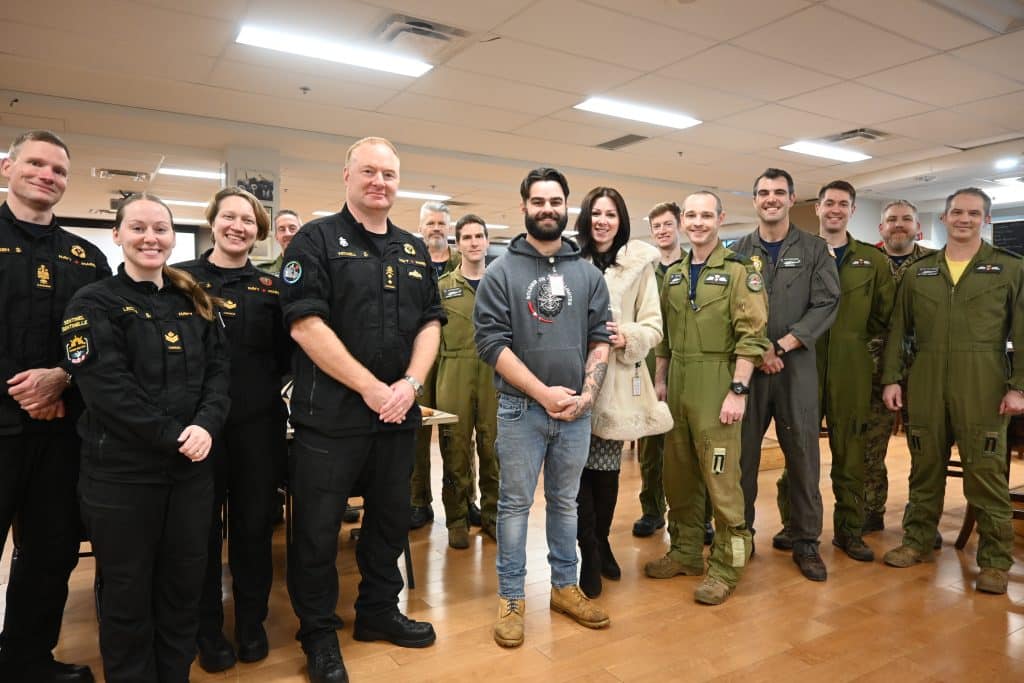
Hours in the Pacific: The Rescue of Sailor 1st Class Matt Blades
Archana Cini, Lookout Newspaper Royal Canadian Navy (RCN) sailor Matt Blades survived over two hours in frigid Pacific waters after falling overboard from a RHIB near Vancouver Island, prompting an international, multi-agency rescue effort. The successful recovery highlighted the science, training, and coordination behind modern search and rescue operations, including drift modelling and functional time. S1 Blades met with rescuers and RCN leadership just five days later, with the meet leaving a lasting emotional impact on all involved. - One moment Sailor 1st Class (S1) Matt Blades was at the helm of a RHIB. The next, he was fighting for his life in the Pacific. “My whole thought process was that they’re either going to find me, or there’s nothing else I could have done,” said S1 Blades. What followed was a rescue effort that left S1 Blades, his rescuers, and the local community with a deeper appreciation for training, teamwork, and the fragility of life at sea. S1 Blades and his wife S1 Margaret Blades also met some of his rescuers, Rear-Admiral (RAdm) David Patchell, Commander of MARPAC, and Chief Petty Officer 1st Class (CPO1) Jonathon Sorensen, to thank the team and share more about his experience — just five days after his near-death experience. The incident occurred east of Bentinck Island, where S1 Blades was operating a Rigid Hull Inflatable Boat (RHIB) as part of his sentry duties with a fellow sailor. “The waters were getting pretty choppy, so I actually tuned the radio [on the RHIB] to channel 16 in case someone fell overboard,” said S1 Blades about the moments leading up to the incident. “Obviously, this was unknowing that it would eventually be me,” he laughed. S1 Blades fell overboard at approximately 2:40 p.m. into rough waters amid stormy conditions. “I was coming up over a...

2025 In Review: West Coast Navy Highlights
Archana Cini, Lookout Newspaper From ship namings and deployments to international exercises, 2025 showcased the operational readiness and global reach of Canada’s West Coast Navy. Sporting championships, remembrance events, wellness initiatives, and cultural celebrations highlighted the people, families, and partners behind the Defence community. Drawing from more than 100 stories, this year-in-review reflects a collective narrative of service, resilience, and pride across CFB Esquimalt and Maritime Forces Pacific (MARPAC). - From the docks of Esquimalt to deployments far beyond Canada’s shores, 2025 was a year defined by momentum on the West Coast. Across Canada’s Pacific Fleet, sailors, civilians, and families came together for moments that showcased readiness, resilience, and community. In 2025, the Lookout covered more than 100 of these important stories. Together, the highlights below form a broader story of service, connection, and pride between our West Coast, Royal Canadian Navy (RCN), and Defence communities. JANUARY His Majesty’s Canadian Ship (HMCS) Protecteur is named at Seaspan Shipyards, Vancouver All eight Orca-class training vessels sail together for the first time during Photographic Orca Deployment Exercise 2025 (PODEX25) Exercise Roguish Buoy unites Canadian combat divers with Naval Reserve and Latvian divers FEBRUARY The Royal Canadian Logistics Service (RCLS) marks its 57th anniversary of service Annual Wounded Warrior Run raises over $235,000 in funds for traumaexposed organizations, professionals, and their families B-Jetty officially opens at HMC Dockyard Canadian Forces Base (CFB) Esquimalt Tritons men’s basketball team secures the 2025 Canada West Regional Men’s Basketball Championship and the CFB Esquimalt Women’s hockey team secures the 2025 Women’s Hockey Canada West Championship Naden Band of the Royal Canadian Navy (RCN) performs with Katy Perry at the 2025 Invictus Games MARCH The Maritime Forces Pacific (MARPAC) Health and Wellness Expo empowers local Defence community with a tailored showcase of products and services Victoria residents gather...

Behind the Lookout: Meet Andrea
Andrea Modesto, Administrative Assistant Written by Andrea Modesto, Lookout Newspaper General Rick Hillier, Canada’s Chief of Defence Staff from 2005-2008, once said, “When a soldier steps on foreign soil in a high-risk environment, every single Canadian should be walking with him or her.” These words have always resonated deeply with me. I’m Andrea Modesto, Administrative Assistant and Accounts for the Lookout Newspaper team and part of Personnel Support Programs (PSP), a division of the Canadian Forces Morale and Welfare Services (CFMWS). I grew up in a small outport village in Newfoundland and Labrador watching family members ship off to serve our country. They included: my sister, Master Corporal (Ret’d) Victoria McDonald; my brother, Petty Officer First Class (PO1) Herbert McDonald; my brotherin-law, Sergeant (Ret’d) Christopher deBeaupre; my husband, Master Sailor (MS) Marc Modesto; and most recently, my nephew, Aviator Brock deBeaupre. Over the years, they have each shown me firsthand, the dedication and sacrifices made by members of our Canadian Armed Forces (CAF). I have always wanted to serve Canada and walk alongside my family. As such, I enlisted in the Royal Canadadian Navy (RCN) and met my husband Marc at Canadian Forces Leadership and Recruit School (CFLRS) Saint Jean. Though I was unable to complete basic training, Marc encouraged me to continue seeking a way to contribute to our nation. That journey brought us to Canadian Forces Base (CFB) Esquimalt, where I found a new way to serve — through CFMWS. In my role, I am so proud to support our writers, editors, and designers as they share the stories of those in uniform; highlight the many PSP programs available to members and their families; and assist with CAF events that strengthen our Defence community. Though my path looks different than I once imagined, I am grateful to contribute...

Behind the Lookout: Meet Teresa
Teresa Laird, Graphic Designer/Creative Written by Archana Cini, Lookout Newspaper My love of art and design started when I was very young. My brother and I would stay up late, hiding under the covers with a flashlight, sketching faces from old record album covers: Johnny Cash, Elvis Presley — you name it. I’m Teresa Laird, graphic designer and creative with the Lookout Newspaper. I’ve been here for nine wonderful years. My parents encouraged me to pursue a creative path when I was young, and my dad, who had a talent for illustrating engines, motorcycles, and airplanes, hoped I might follow a similar path. That foundation set me on the journey that has carried me through 45 years in the print industry. I got my start as a proofreader in Vancouver, working on projects like the British Columbia (B.C.) Medical Journal. For eight years, I honed my skills in type houses before transitioning to newspapers. Along the way, I’ve learned to appreciate every stage of the creative process, from small details to the bigger picture. The best part of my job now is knowing that the work I do has a direct impact — it supports Defence Team members in their efforts. I love that my work is about people first. Although I’m not a sailor, I feel honoured to be part of the Canadian Armed Forces (CAF) environment. I love what the CAF stands for, and the pride its members take in serving Canada. Watching sailors and members grow as they move through the ranks inspires me. When I think about service, I remember something my first manager once told me: “We’re here to serve those who serve.” That phrase has stuck with me, and really defines what I do. Outside of work, I’m blessed with a rich family life....

Behind the Lookout: Meet Cameron
Cameron Carnell, Administrative Assistant Written by Archana Cini, Lookout Newspaper For over half a decade, I’ve been one of the engines keeping the Lookout Newspaper moving — quite literally! My name is Cameron (Cam) Carnell, and I am one of the team’s Administrative Assistants. I’ve been with the Lookout since 2019 when I first started delivering papers. Since 2020, I’ve also been tackling our biweekly mail-out process. My favourite part of the job has always been the Sunday morning drive. The stops have become familiar, and over the years I’ve met a lot of friendly, genuine people on my route. Knowing that someone is receiving yet another copy of the Lookout because I delivered or mailed it brings about a lot of happiness. It means something. I was raised on a hog ranch in the East Kootenays, surrounded by a menagerie of animals. That taught me a lot about life, and what matters most. The motto ‘A job’s not done until it’s done well,’ comes to mind, and often guides me. As is in life, there are challenges. I had an automotive incident a few years ago, and since then, sitting or standing for long stretches of time hasn’t been easy. But I keep going — there’s a sense of purpose here, and the connection we have to the local Defence community helps. "Service has always run deep in my family." One of my grandfathers served in the Royal Canadian Air Force (RCAF), and the other in the Canadian Armed Forces (CAF). My oldest brother was in the Royal Canadian Navy (RCN), and now both his oldest children serve in the RCN and CAF. My twin brother also serves in the RCN. With this around me, I’ve always seen the concept of service as straightforward: doing something real for others....

Behind the Lookout: Meet Leslie
Leslie Eaton, Graphic Designer/Creative Written by Archana Cini, Lookout Newspaper The Lookout is more than its stories. It’s about connecting people, sometimes across the world, sometimes right next door. Being a part of that means a lot. I’m Leslie Eaton, graphic designer and creative at the Lookout Newspaper. Among many other projects, I design our newspaper. Design can tug at your heartstrings just as much as the words do. That’s one of my favourite parts of my job — shaping how stories are felt, not just read. I’d like to believe I bridge a gap between emotions and words. Not everyone communicates the same way, and I love to learn how people express their ideas, then translate that into something visual. Designing the paper isn’t just the layout itself, it’s the teamwork. It’s about working with everyone to create a product that feels polished, engaging, and alive. It’s never just one person’s work. Every edition reflects a collaboration, and I find that deeply rewarding. I’ve been designing the Lookout for over three years, but my story as an artist stretches back much farther — back to the early ’90s, when I first started working in the print industry. Over the years, I’ve seen design styles shift and the production evolve with technology, but, at its core, what I love hasn’t changed: that is, taking an idea and making it come alive. I’ve always been artsy and had that drive to put something onto a page that evokes the emotion attached to the words. For me, creativity doesn’t stop when I leave the office — it follows me home, in the form of silk and wool, paint, and parchment. Right now, I’m making a silk banner with my motto ‘Kindness Above All’ across it. To me, that phrase captures the value...

Menopause Symposium Brings Awareness and Support to Defence Team
Kelley Stark, MARPAC Public Affairs MARPAC hosted its first Menopause Symposium on Nov 21, creating an open space to discuss women’s health and workplace impacts. Four expert speakers addressed physical, emotional, and hormonal health, dismantling stigma while offering evidence-based guidance on treatment, advocacy, and exercise. Defence leadership emphasized that supporting menopause awareness strengthens both member well-being and overall CAF operational effectiveness. - Maritime Forces Pacific’s (MARPAC) first Menopause Symposium took place on Nov 21 in a step towards fostering awareness and support for women’s health in the workplace. Menopause impacts not only individual well-being in life, but also team dynamics, productivity, and retention — yet it remains one of the least discussed phases of life. By creating space for education and dialogue at the workplace, MARPAC is leading the way in breaking stigma and promoting inclusivity. The event was filled with attendees from diverse age groups and backgrounds, highlighting that menopause continues to be a topic that resonates beyond the demographic of middle-aged women. Captain(Navy) Mike Stefanson, Champion for the Defence Women’s Advisory Organization (DWAO), opened the event, reminding audiences that mental, physical, and spiritual health are all key to operational success. “If it’s important to you, it’s important to me and the Admiral,” he said, encouraging people to lean on the DWAO team when needed. The first speaker, Susannah Stewart, a pelvic health physiotherapist in Victoria, gave a talk titled Menopause 101. She explained that menopause can happen for many reasons, including surgery or medical treatment, and that it also affects gender-diverse people. There are over 130 symptoms associated with menopause, including hot flashes, brain fog, and anxiety. She also shared that hot flashes could signal risks for heart disease or dementia. Stewart stressed the value of pelvic physiotherapy and addressed hormone therapy. Next, Shirley Weir, women’s health advocate...
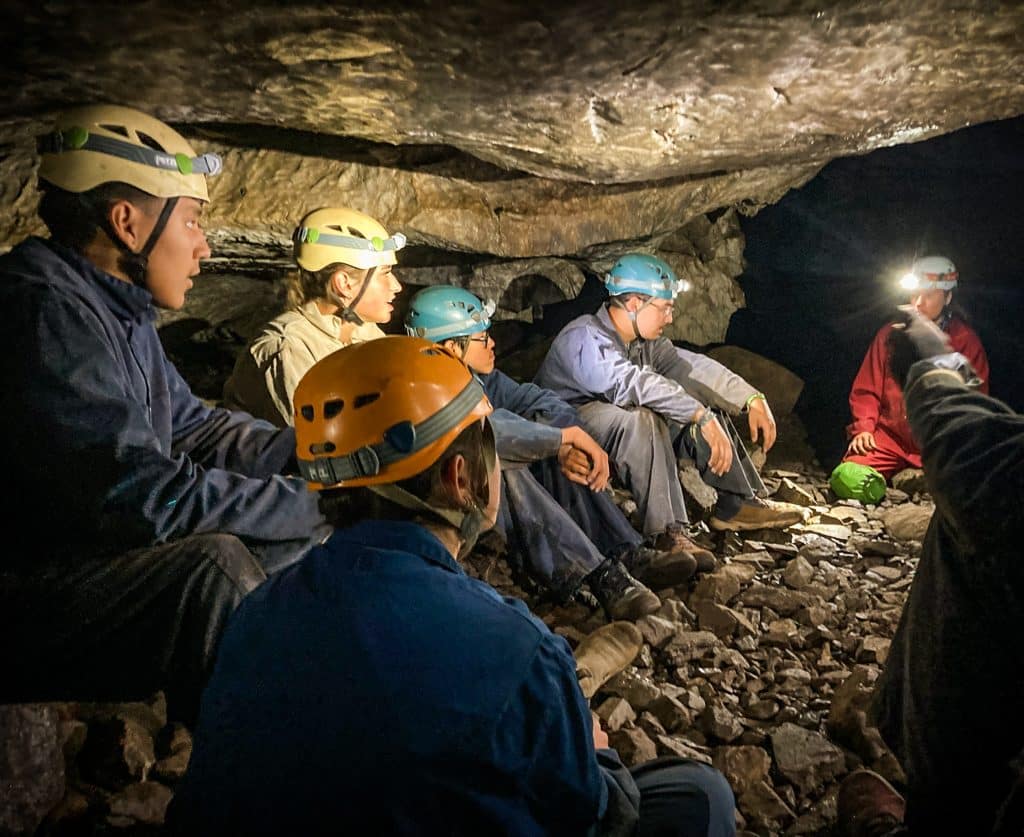
Junior Canadian Rangers Build Skills and Confidence at NLETS 2025
MCpl Jason Shafto From July 28 to Aug 8, Junior Canadian Rangers from all five Canadian Ranger Patrol Groups took part in NLETS 2025, a 12-day leadership and skills program hosted by 4CRPG. JCRs completed early team-building exercises, leadership workshops, collaborative sessions with Sea Cadet leaders, and advanced outdoor activities. The program strengthened confidence, leadership, teamwork, and outdoor skills for youth across Canada. - From July 28 to Aug 8, Junior Canadian Rangers ( JCRs) from all five Canadian Ranger Patrol Groups participated in the 2025 National Leader Enhanced Training Session (NLETS), an annual training event hosted by 4th Canadian Ranger Patrol Group (4CRPG). NLETS is a 12-day program designed to build confidence, leadership skills, and practical abilities in JCRs. To kick off NLETS 2025, approximately 40 JCRs (accompanied by Canadian Rangers, Junior Canadian Ranger Instructors ( JCRIs), and Canadian Ranger leadership) travelled to HMCS Quadra Cadet Training Centre in Comox, British Columbia (B.C.). Here, 4CRPG’s Honorary LieutenantColonel (HLCol) Adele Donaldson delivered remarks at the opening ceremony. JCRs were then assigned to their respective sections, and training commenced. The training began with foundational team-building exercises and leadership workshops that emphasized mentorship and safety. JCRs also collaborated with leaders from the Sea Cadet program to share ideas and explore leadership concepts and theory. After two days of team building and Sea Cadet collaboration, the JCRs travelled to the Strathcona Park Lodge, west of Campbell River, B.C., to apply their skills in advanced expeditions including hiking, canoeing, and rock climbing. Once arrived, lodge staff trained JCRs for their chosen outdoor activities. Following a day of instruction, the JCRs, guided by SPL staff and supported by Canadian Rangers and JCRIs, embarked on four-day adventures. Upon returning, a ceremony was held to recognize significant team contributors for their efforts. The group then travelled from...
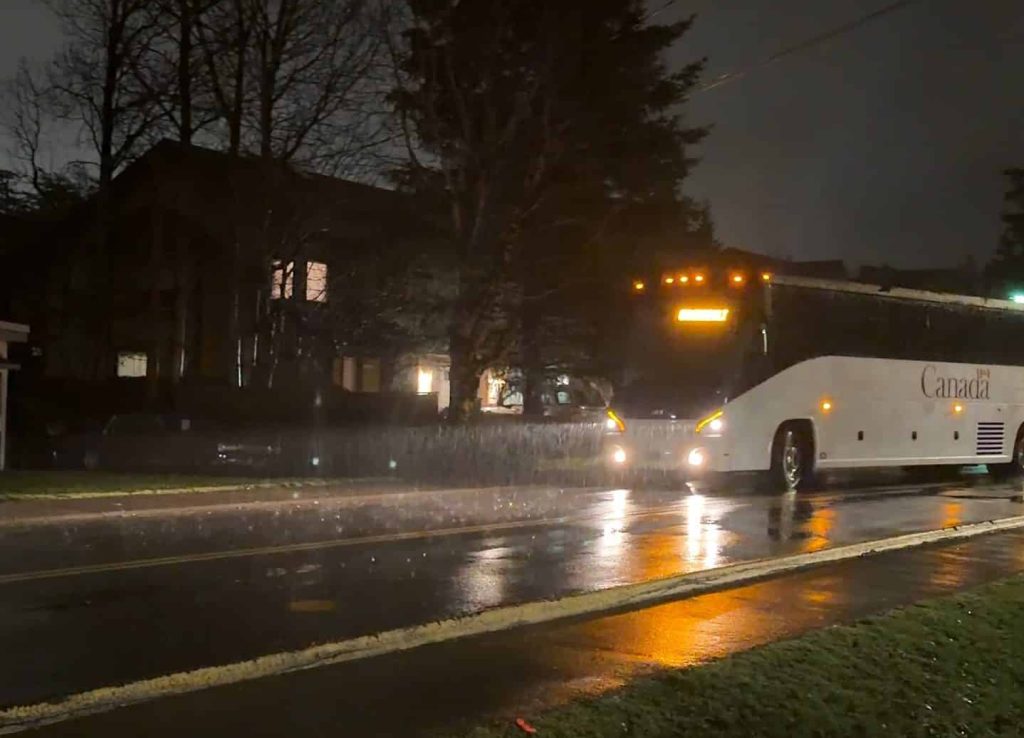
New DND Shuttle Trials as Transport for CFB Esquimalt Staff
Archana Cini, Lookout Newspaper CFB Esquimalt ran a transportation trial from Nov 24 Dec 12 to simplify commuting across its properties for all DND staff. The pilot tested the Base Connector and the Base Rounder. TEME collected ridership and stop-specific data to evaluate demand, flow, and future service optimization. Early user feedback highlighted reduced stress, fuel savings, and the potential to adopt the service long-term. - Canadian Forces Base (CFB) Esquimalt has completed a new transportation trial designed to make commuting across Vancouver Island simpler and more affordable for local Defence team members. From Nov 24 to Dec 12, Transportation, Electrical and Mechanical Engineering (TEME) piloted The Base Connecter and Base Rounder Initiative, a complimentary mobility service. Intended to improve connectivity across CFB Esquimalt properties, the Base Connector linked Canadian Forces Ammunition Depot (CFAD) Rocky Point, CFB Albert Head, and Colwood with Esquimalt stops including the Base Hospital, Naden, Dockyard, and Work Point. The Base Rounder was also tested to reduce the need for personal vehicles by encouraging Defence team members to leverage a base-operated shuttle to travel to and from CFB Esquimalt properties During the test period, participants hopped aboard both the Base Connector, a 56-passenger coach, and the Base Rounder, a 12-passenger van. TEME also collected daily ridership data and stop-specific pickup information throughout the trial period to assess the necessity of each stop, ridership fluctuations, and overall trial usage. To Petty Officer 1st Class (PO1) Troy Dierk, Weapon Engineering Manager, the trial experience was positive overall. “There was far less stress during the high traffic periods of the trip, less fuel consumption, and thus less expense for me,” he said. “I would reassess some of the stops to confirm if they are necessary to make for a more seamless flow for drivers, as several stops proved to...
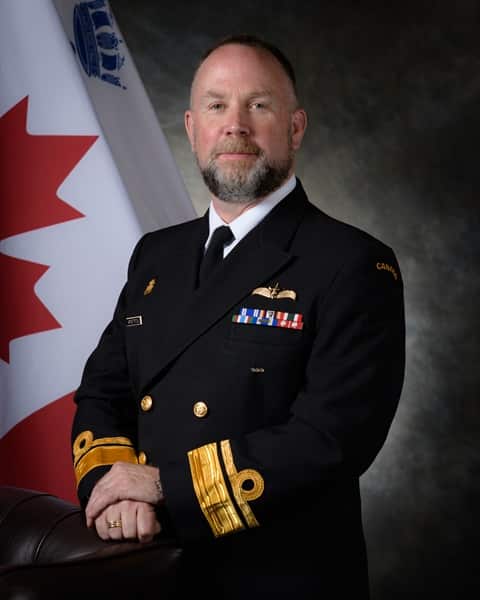
Canadian Naval Capability in 2026 and Beyond: The Future of the RCN with RAdm Armstrong
Archana Cini, Lookout Newspaper Rear-Admiral (RAdm) Armstrong outlines a decade of major capability growth for the RCN, including new Arctic and Offshore Patrol Vessels, the Canadian Patrol Submarine Project, and advances in uncrewed systems. RAdm Armstrong emphasizes sailor-focused leadership, modern infrastructure, and mentorship as the foundation for building a future-ready force. - The Royal Canadian Navy (RCN) currently stands at the precipice of a transformative decade — and according to Rear-Admiral (RAdm) Jason Armstrong, Chief of Naval Capability, the coming years promise some of the most substantial capability upgrades in decades. “We just received delivery of the Harry DeWolf class,” said RAdm Armstrong, referring to the new fleet of six Arctic and Offshore Patrol Vessels (AOPVs) helping the RCN operate in regions once out of reach. Armstrong called the class “a phenomenal capability,” noting its successful deployments to the Arctic, Indo-Pacific, and the Caribbean, where the fleet continues to demonstrate its international versatility. Notably, the AOPVs have also successfully deployed further north than any other RCN ship in Canadian history. With the longest coastline in the world, Canada’s underwater surveillance capability is on the mind of RCN leadership. “There’s a lot of new builds coming for our sailors that I’m excited to speak to,” shared RAdm Armstrong. “The Canadian Patrol Submarine Project (CPSP) is very near and dear to my heart.” The CPSP will see up to 12 new submarines join the RCN over the next decade, with each submarine poised with the capabilities to efficiently detect, track, deter, and if necessary, defeat adversaries in all three of Canada’s oceans. “I’m very optimistic with where we’re collectively heading,” said the RAdm. “There are also infrastructure projects on the move to improve quality of life for our sailors, and innovative work being done with regards to drones and uncrewed systems. It’s...

Volume 70, Issue 26, December 15, 2025