Jackspeak: Port and Starboard
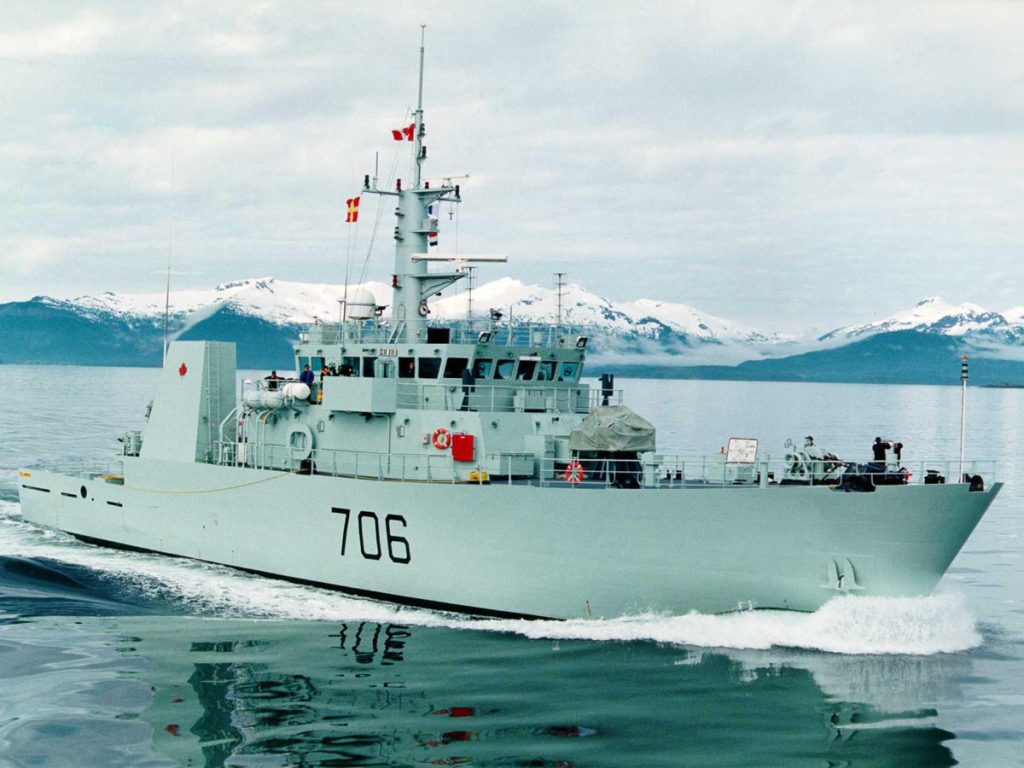
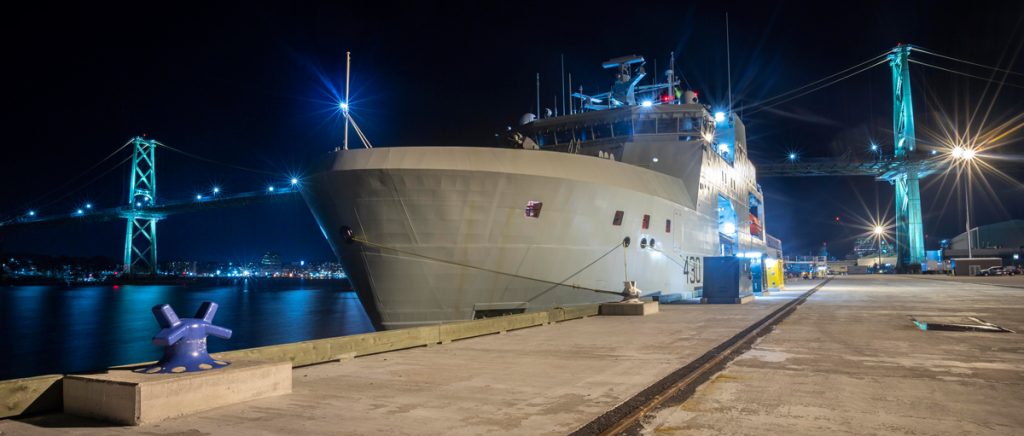
[caption id="attachment_31053" align="aligncenter" width="594"] HMCS HARRY DEWOLF sits alongside NJ Jetty, Halifax, Nova Scotia during Royal Canadian Navy Sea Trials on October 16, 2020.[/caption] The terms port and starboard are associated with a ship’s left and right sides when facing forward. While these two words are widely accepted as a part of modern nautical vernacular, their origin is lesser known. Newcomers often wonder why the two sides of a ship have such dissimilar names, not realizing this was done by design. Historically, starboard is derived from the term ‘steerboard,’ which refers to a steering oar commonly housed on a vessel’s right side. Before rudders, a ship was steered using a long oar, or sweep oar, fitted on the right side of the ship near the stern. Vikings were known to use a steering oar, and it needs to be clarified why they chose the right side. There is a thought that because the vast majority of people are right-handed, the steering oar was designed for use by right-handed mariners. Regardless, a steering oar on the right became universal. Over time, steerboard became starboard, and it did so without any connection to celestial objects. With a steering oar on the right side of the vessel, it was awkward to put a ship alongside a jetty on the right side, so the ship’s left side was used for this purpose. Typically, a plank was put across from ship to shore where personnel and goods could be transferred, and this plank was called a ladeboard or loadboard and later transformed into a larboard. To avoid confusion between the terms larboard and starboard, larboard was eventually changed to port, which had been a common term since the 16th century. In 1844, the Royal Navy made it official by ordering that ‘port’ be used instead...