Rory Theriault, Fleet Maintenance Facility Cape Breton
-
FMF Cape Breton marks 30 years, highlighting the people behind West Coast naval maintenance and engineering.
-
A modern facility completed in 2019, transformed operations, improving RCN efficiency and collaboration.
-
The dockyard’s roots trace back to the 1800s, shaping today’s Pacific Fleet support system.
–
Editor’s Note: The following story is a shortened adaptation of the original publication found within Volume 8, Issue 03 of The Cape Crusader, Cape Breton Fleet Maintenance Facility’s monthly newsletter.
The Fleet Maintenance Facilities (FMF) were first established on April 4, 1996. Fleet Maintenance Facility Cape Breton (FMFCB) on the Canadian West Coast emerged through an amalgamation of the Ship Repair Unit (Pacific), Naval Engineering Unit (Pacific), and Fleet Maintenance Group (Pacific). Today, FMFCB is organized into seven departments: Production Management; Engineering Management; Operations Management; Supply Chain Management; Unit Support Management; Financial Management; and Strategy Management.
As FMFCB marks its 30th anniversary in 2026, the focus of this milestone is the people who have shaped it since its formation. Every stage of its development has been carried by the individuals who show up every day to support the fleet.
Though FMFCB’s facility has changed – with its capabilities expanded, and the organization having grown into a unified team of more than a thousand civilian employees and one hundred military members – its strength remains within its workforce. This includes not only those who came before and whose skills established the foundation of maintenance and engineering on the West Coast, but also the current employees and apprentices who continue to develop their craft and contribute to the reliability of the Pacific Fleet.
While FMFCB is a strategic asset to the Royal Canadian Navy (RCN), its true value lies in the collective effort of the people who keep ships ready, operations moving, and technical expertise advancing. This anniversary is a recognition of that dedication, and the ongoing work that carries the organization forward. Since its formation, FMFCB continues to evolve from a collection of separate units into a unified organization that improves how maintenance and engineering support would be delivered to the Pacific Fleet.
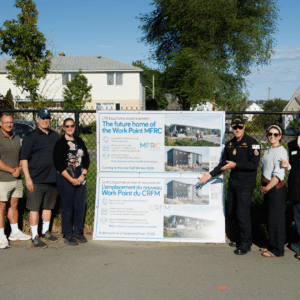
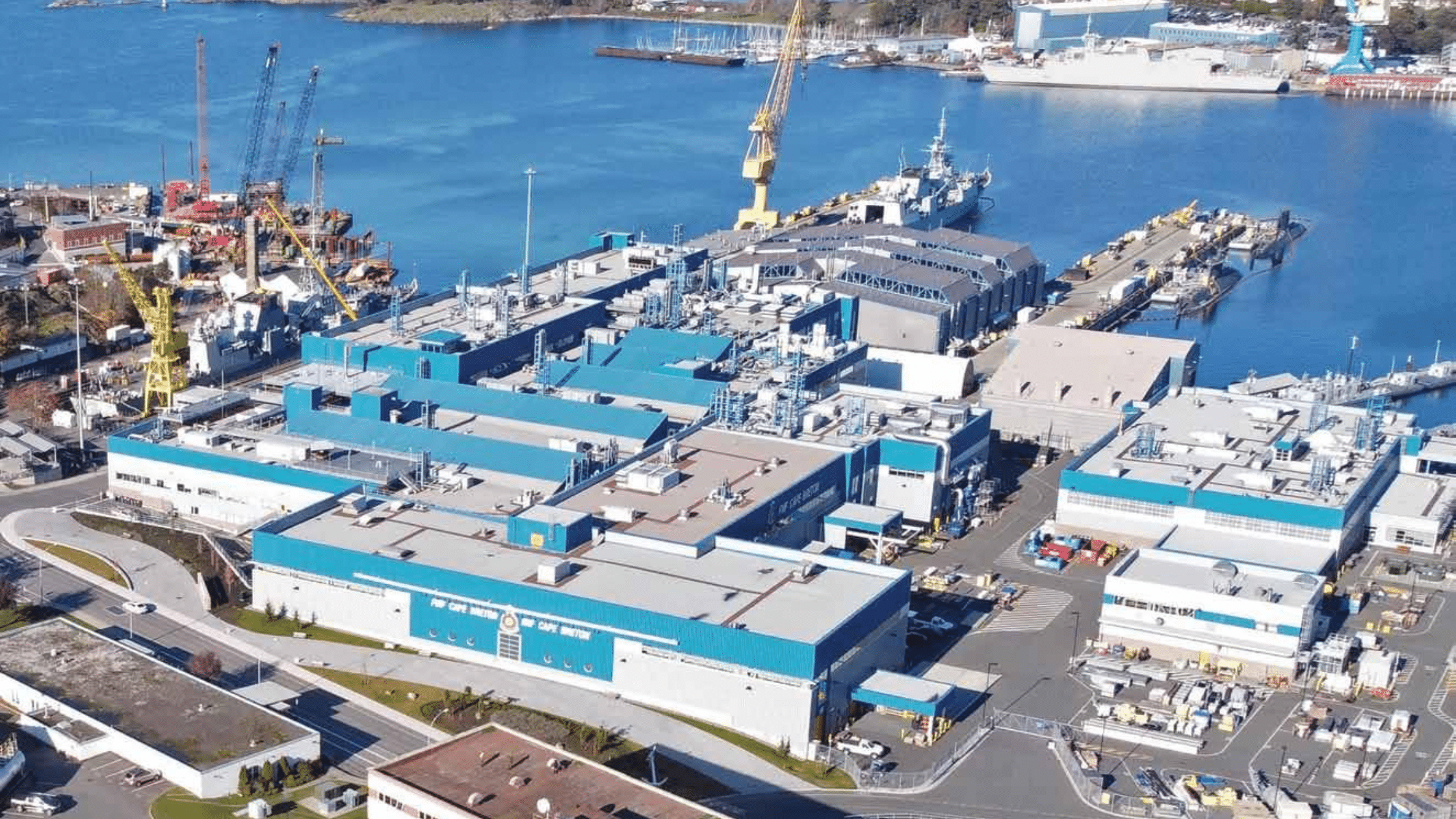
One project stands above the rest in terms of impact. The construction and completion of the modern FMF at CFB Esquimalt represents the most transformative development in the unit’s history. Over time, this effort replaced more than 60 aging buildings spread across the dockyard with a single, purpose-built facility. The result is a 35,000 square metre structure that is now one of the largest enclosed buildings on the west coast of North America. Completed in phases and reaching its final stage in 2019, the facility now enables FMFCB to carry out the full scope of maritime maintenance in one location. This includes the fabrication, maintenance, and repair work required to sustain naval operations on the west coast. The scale of the project required close coordination between the RCN, the Department of National Defence (DND), Defence Construction Canada; and other industry partners. It also included environmental planning, archaeological considerations, and engagement with Indigenous communities throughout the process. For the workforce, the impact has been direct: the consolidation into a single, modern facility has improved efficiency, strengthened collaboration across departments, and enhanced the ability to respond to operational demands.
How the Development of HMC Dockyard Esquimalt Set the Foundation for Modern Day FMFCB
(Sourced from 75th anniversary publication of HMC Dockyard Esquimalt)
- By 1873, 46 structures were in place. The yard was fenced, leaving coal stores at Thetis Island and the magazine at Cole Island outside its boundaries.
- Repair facilities included a Cooperage, Fitting House, and the Factory with a Smith Shop, Smelter, and Engine House. Primary stores included cable, chain, cordage/canvas, paint, timber, lumber, ordnance, victualling, and sail.
- Fire protection was provided by a Steam Fire Engine at the head of the Landing Pier (A Jetty).
- By 1883, the yard expanded to 58 buildings including: Chief Engineer’s residence, Boat Store, Armouries Shop, Lime Store, Rope Works, and an added slipway.
- By 1895, Esquimalt was designated Her Majesty’s Naval Yard. The factory nearly tripled in size and oil and electrical stores were added.
- The Drydock, Pumphouse, and related buildings were added, though this area was not yet part of the Naval Yard.
- In 1903, a Works Department Yard was established, including buildings for carpenters, painters, smithers, plumbers, galvanizing shops, and several stores.
- In 1942 the Drydock and its wooden wharf became the Refitting Basin. A Jetty became the Dockyard Jetty, B Jetty the Refitting Jetty, C Jetty the Ordnance Jetty.
- By 1944, within two short years, some forty new buildings were constructed.
- Fleet Maintenance Facility Cape Breton is established in 1996.
- Modern Fleet Maintenance Facility Cape Breton is completed in 2019.