

Captain Pedram Mohyeddin, JTFP Public Affairs
-
Ex CLEARWATER (April 11–17) enhanced CAF readiness in Prince Rupert through joint, multi-domain operations.CAF units and partners improved interoperability across air, land, and sea, including use of emerging technologies.Exercise reinforced maritime domain awareness, supporting Canadian sovereignty and coastal security.
–
Exercise (Ex) CLEARWATER concluded on April 17 following a week of joint and interagency operations that reinforced the Canadian Armed Forces’ (CAF) ability to observe, monitor, and protect Canada’s western maritime approaches.
Conducted from April 11–17, the exercise was hosted by Joint Task Force Pacific (JTFP) and focused on domain awareness and presence operations in the Prince Rupert maritime area. Ex CLEARWATER brought together members of the Advanced Naval Capabilities Unit (ANC); 4th Canadian Ranger Patrol Group (4CRPG); 39 Canadian Brigade Group (39CBG); 443 Maritime Helicopter Squadron (443MH Sqn); and the Canadian Coast Guard (CCG). Together, the exercise enhanced interoperability and operational readiness in a strategically significant coastal environment. Throughout the exercise, CAF aviators, soldiers, and sailors operated across air, land, and sea to improve their ability to detect, assess, and respond to activity in Canada’s maritime approaches.
Importantly, these efforts directly support Canadian sovereignty and domestic security at a time of increasing maritime traffic and evolving security dynamics in northern and coastal regions.
“Domain awareness is fundamental to sovereignty,” said Rear-Admiral (RAdm) David Patchell, Commander of Maritime Forces Pacific/Joint Task Force Pacific (MARPAC/JTFP). “Exercises like CLEARWATER allow us to train jointly and operate with our partners in realistic conditions, ensuring we remain present, informed, and prepared to safeguard Canada.”
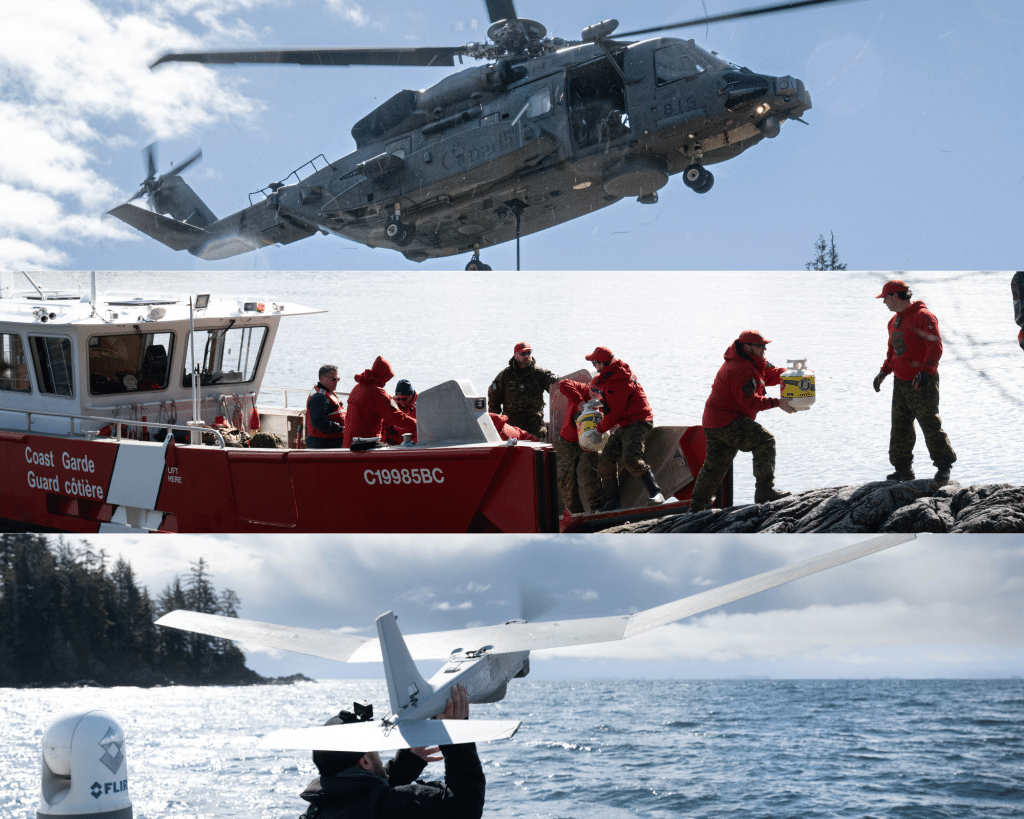
Highlights from Ex CLEARWATER, conducted from April 11 to 17. Photos: Avr Rebecca Mainardi, MARPAC Imaging
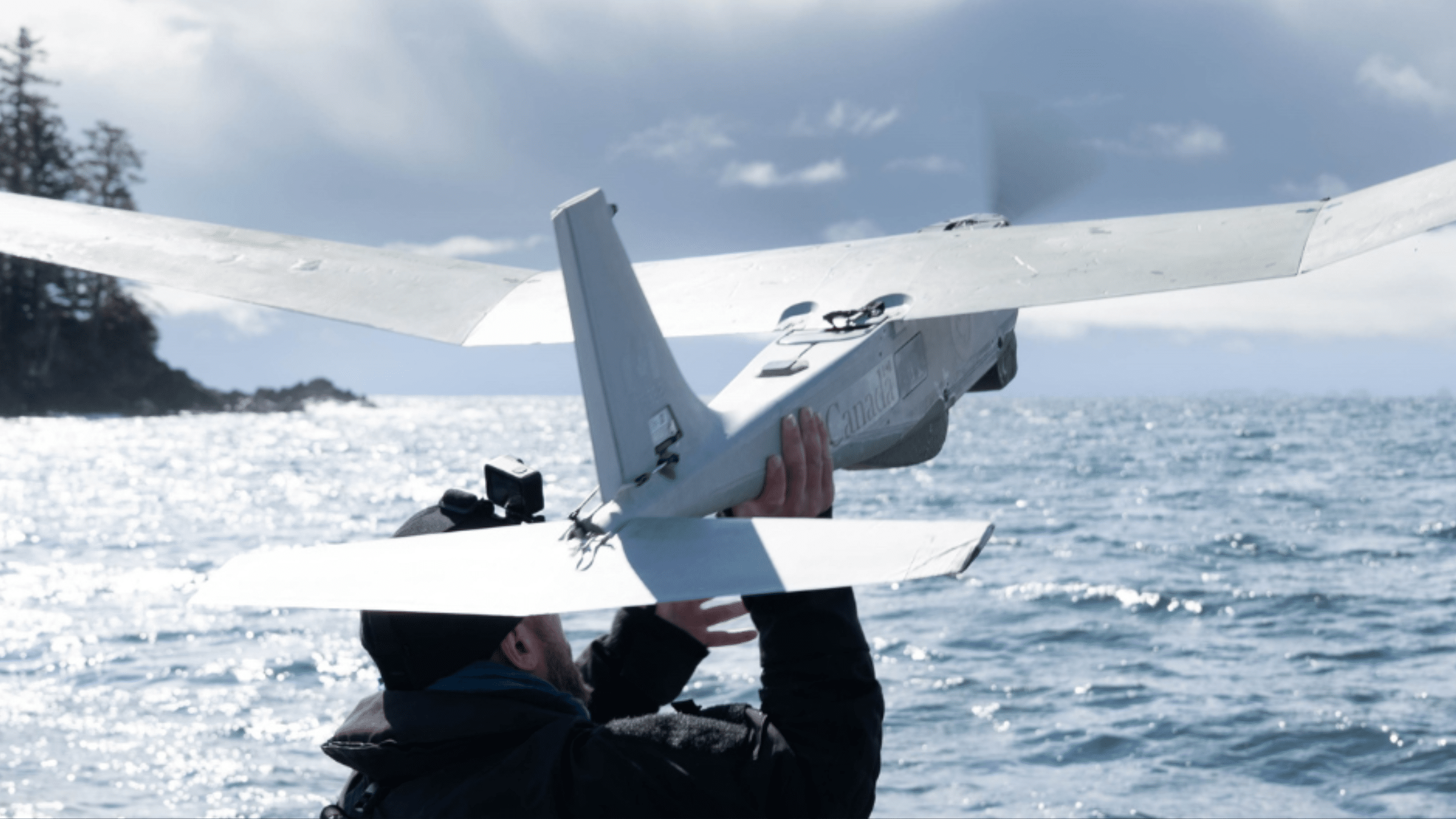
Sailors from ANC conducted coastal domain awareness and presence operations, integrating both innovative tactics and emerging technologies (including uncrewed systems [UXS]) to support intelligence, surveillance, and reconnaissance activities. ANC’s participation demonstrated how modern capabilities can be integrated with conventional forces to address current and emerging maritime threats.
443MH Sqn supported the exercise with CH-148 Cyclone helicopter operations, conducting maritime patrols and reconnaissance in complex littoral environments; personnel movement; and supply transfers. The squadron’s involvement strengthened coordination between air and maritime forces and expanded situational awareness across the Prince Rupert area.
On land, members of 4CRPG and 39CBG played a critical role in enabling operations across the exercise area. Canadian Rangers shared their extensive regional and environmental knowledge, supporting operations in complex and remote coastal terrain. Soldiers from 39CBG provided communications and signals support, ensuring reliable command and control and enabling effective coordination between land, air, and maritime forces.
The CCG contributed to maritime activities and logistical movements within the exercise area. Coast Guard assets assisted with personnel and supply transfers, supporting CAF operations while reinforcing interagency familiarity and coordination.
As Ex CLEARWATER concludes, Major (Maj) Mike Hughes, Ex CLEARWATER Officer in Charge, noted that “[lessons] learned in Prince Rupert will inform future training and operations, ensuring the CAF remains ready, adaptable, and prepared to protect Canada’s maritime approaches and coastal communities.”