

Archana Cini, Lookout Newspaper
-
Charges have been laid against two RCN sailors following the 2025 death of PO2 Gregory Applin in Halifax Harbour.
-
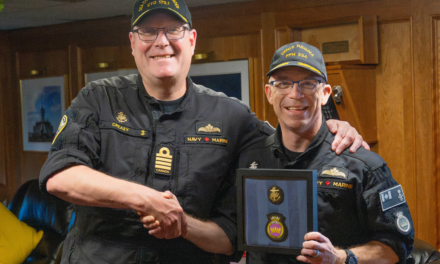
Vice-Admiral Angus Topshee stresses accountability, the responsibility of leadership, and operational discipline across all levels of the navy.
–
The death of a sailor in the Halifax harbour last year continues to weigh heavily as charges have now been laid against two sailors.
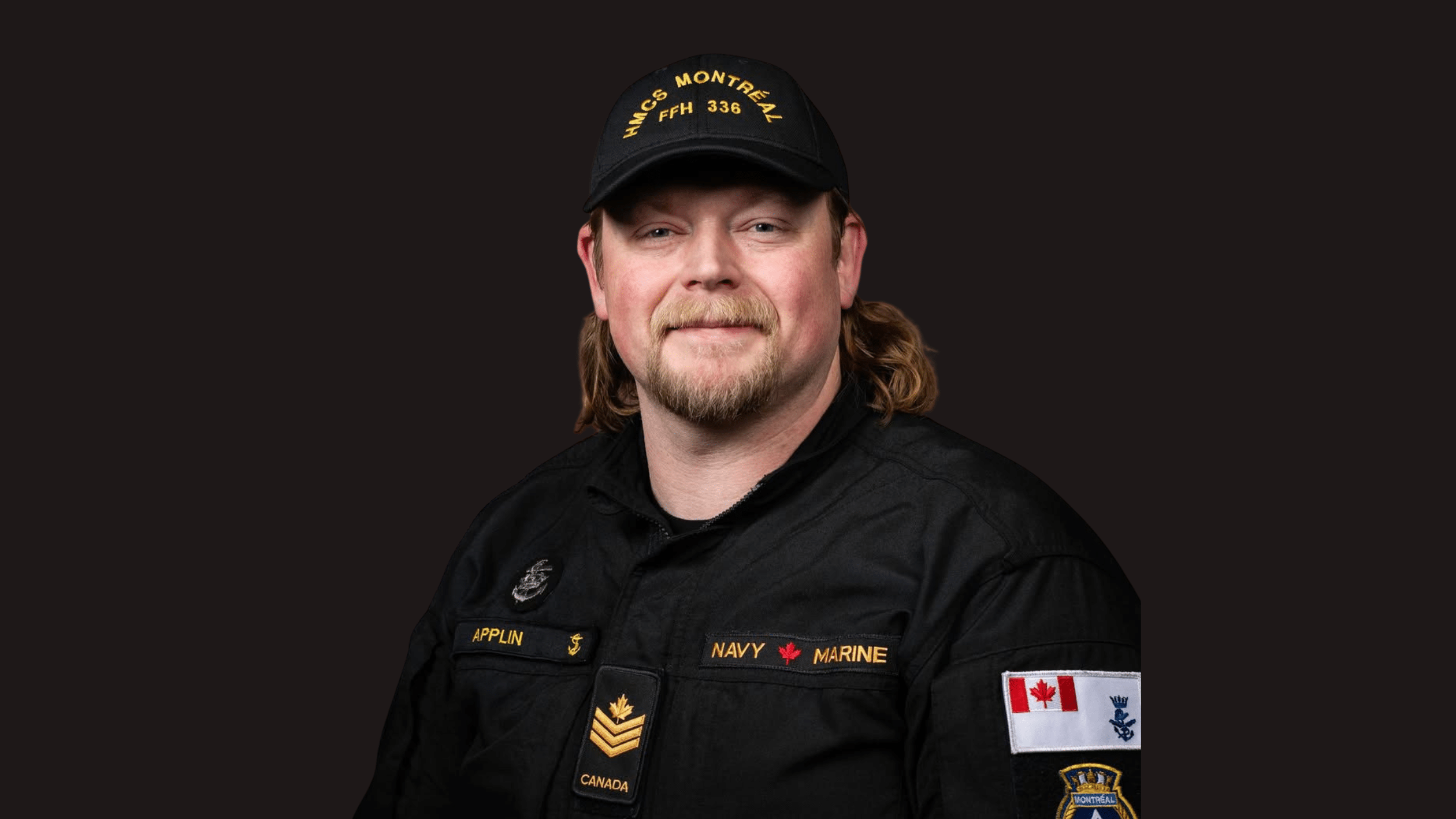
Petty Officer 2nd Class (PO2) Gregory Applin died on Jan 24, 2025, after the rigid hull inflatable boat (RHIB) he was aboard struck a mooring buoy and capsized in Bedford Basin.
On April 15, 2026, the Canadian Forces Military Police (CF MP) announced charges against two members of the RCN following the conclusion of their investigation. One sailor is charged with criminal negligence causing bodily harm and negligent performance of military duties, while another faces charges of dangerous operation of a conveyance causing death and negligent performance of military duties.
In a message to members of the Defence community, Vice-Admiral (VAdm) Angus Topshee, Commander of the Royal Canadian Navy (RCN), said that though news of the charges is difficult for the entire institution, it also underscores the responsibility carried by all who serve.
“[It] highlights the challenging realities of our service in the Royal Canadian Navy,” VAdm Topshee wrote in a joint message with Chief Petty Officer 1st Class (CPO1) Pascal Harel, Command Chief Petty Officer of the RCN. “We operate in a demanding environment where mistakes and errors can have fatal consequences, and we must be accountable for our actions and our inactions.”
VAdm Topshee said the laying of charges does not determine guilt, and that the military justice system must be allowed to proceed fairly.
“There will be a fair, independent, and impartial process to determine the outcome of these charges, and those accused deserve every opportunity to defend themselves,” he said.
At the same time, VAdm Topshee cautioned against viewing incidents of this nature too narrowly.
“We are also extremely mindful that an incident like this almost never results from a single cause or single error and is most likely the outcome of a combination of factors.”
VAdm Topshee also reserved words for those serving in leadership positions, noting that command teams at every level bear responsibility for oversight, stewardship, and operational discipline. “You must be vigilant, proactive, and uncompromising in enforcing safety standards and operational discipline,” he wrote. “The lives of your sailors depend on it.”
Ultimately, the message reflects a longstanding reality of naval service: even routine tasks can quickly become high-risk, and accountability should live not only in policy, but also in daily practice.
For many across the fleet, however, the issue remains deeply personal. Applin was a 19-year veteran of the RCN who had recently returned from deployment to the Indo-Pacific at the time of his death. His loss was felt not only by his family, but by shipmates and the wider naval community.
“The loss of one of our own weighs heavily on us all,” said VAdm Topshee.