Lookout Newspaper Logo

News

Exercise ROUGISH BUOY 2026: Demanding International Diving Exercise Returns to Vancouver Island for Third Consecutive Year

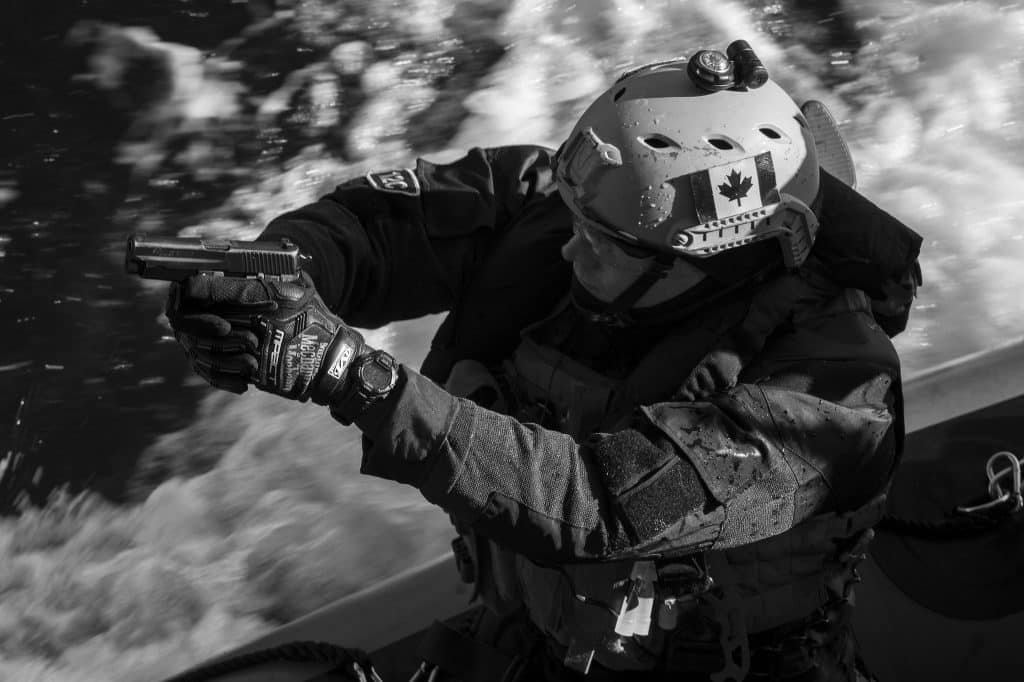
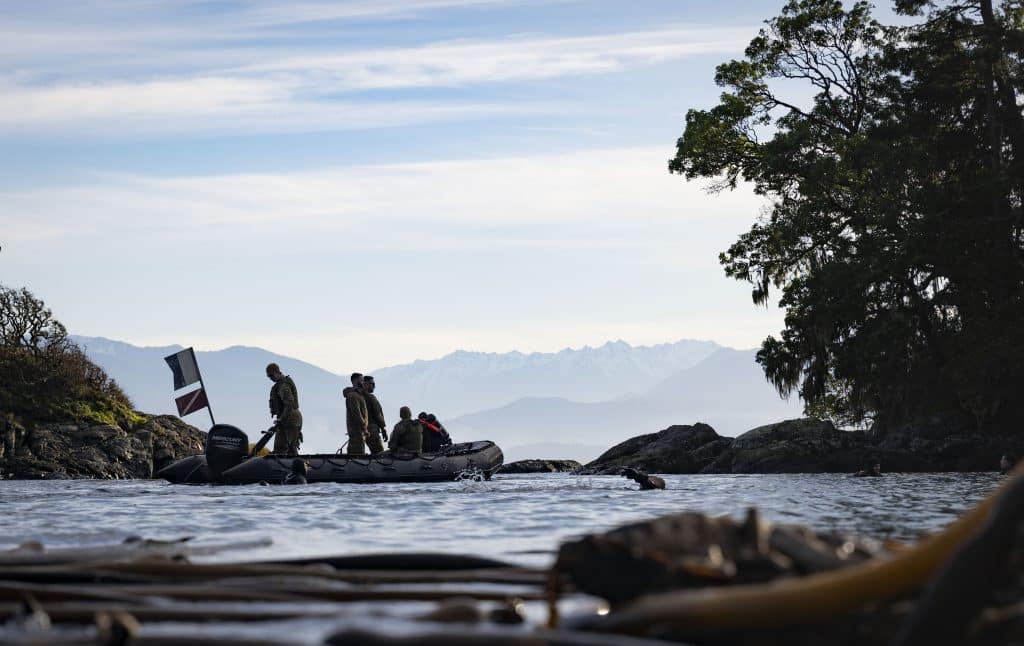
Archana Cini, Lookout Newspaper. Contributions by Capt Surbhi Matta, Combat Training Centre Exercise ROUGISH BUOY 2026 brought CAF combat divers back to Vancouver Island for the third consecutive year, training at Albert Head and Whirl Bay’s Underwater Demolition Range. First held in 1979, ROUGISH BUOY remains Canada’s only dedicated collective combat diver exercise, focused on operational readiness, recertification, and advanced underwater skills. This year’s 47th iteration included multinational participation from the United Kingdom, Latvia, Germany, and the Netherlands. - An uncommon sight greeted the Vancouver Island shoreline near Albert Head and Whirl Bay Underwater Demolition Range this January: that of Canadian Armed Forces (CAF) combat divers, suited, and sub‑ merged as they practised demanding underwater skills in the Pacific Ocean. Meet Exercise (Ex) ROUGISH BUOY 2026, Canada’s only dedicated collective training exercise that annually unites Canadian and international combat div‑ ers for diving practice, skill development, international cooperation, and dive recertification. The history of Ex ROUGISH BUOY stretches back decades in Canadian history, with its first iteration held in 1979. The exercise was initially created to ensure that combat dive teams could annually maintain oper‑ ational readiness and proficiency for tasks that might be required while deployed, including underwater demoli‑ tion, reconnaissance, and obstacle clearance. Over the years, the exercise has rotated locations and grown to include participating nations. This shift began to foster cooperative learning and technical exchange in addition to holding Canadian combat divers to high operational standards. This year’s installment saw divers return to Vancouver Island for the third consecutive year and the exercise’s 47th iteration. Once at Whirl Bay, the training was challenging. Divers worked through underwater demolition scenar‑ ios, placing charges to clear obstructions prior to deton‑ ation. The exercise also covered underwater navigation; insertion and extraction techniques; and water to land transitions from swimming...
A New Year, A New Focus on Security: Welcome to Security Awareness Week

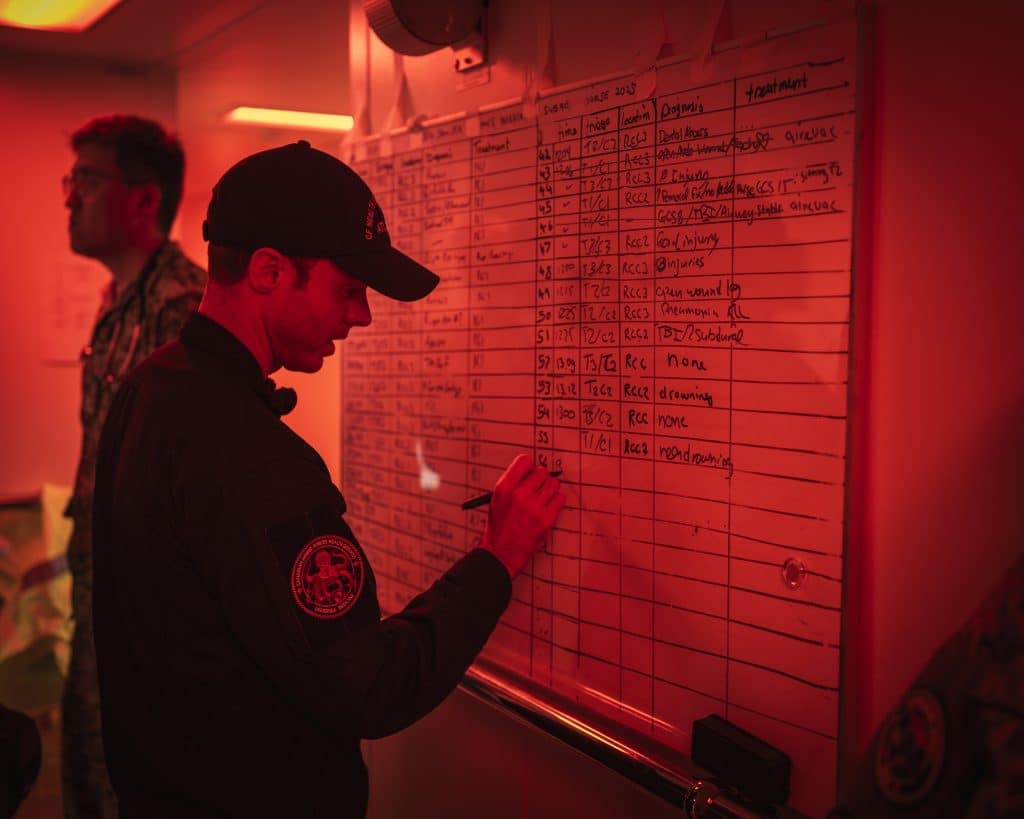
L2 Stephen Vallis, L2 MARPAC /JTF(P) Physical and Personnel Security Officer Security Awareness Week runs Feb 9–13, 2026, with the theme 'Security starts with you,' reminding Defence Team members that protecting information, materials, and facilities is a shared responsibility. Members are encouraged to adopt a security mindset by staying proactive, learning workplace zone requirements, understanding classified materials, and knowing who to contact for guidance within their unit. Members are also reminded to track and maintain their security clearance status, and to note that the new Personnel Security Processing System (PSPS) replaced WebSCPS in Nov 2025 for all clearance requests and updates. - This year, Security Awareness Week is observed from Feb 9 to 13, with the 2026 theme being ‘Security starts with you.’ For those of us in the Defence Team, many of these changes impact our daily business: we clearly have many global rivals whose goals conflict with our own. These entities may include foreign nations and their intelligence services; foreign and transnational terrorist networks; and criminal elements. No matter your role in the Defence Team, you have access to information, materials, and facilities that will be of interest to all those entities. Collectively and individually, we have a responsibility to protect these things. Effective security requires everyone to develop a security mindset: a proactive, vigilant way of thinking that involves constantly looking for vulnerabilities and potential failures, often described as ’thinking like an attacker’ to anticipate how systems, data, or physical assets could be misused, broken, or compromised, and then taking steps to prevent that. Similarly, we need everyone to support a culture of security awareness, which is achieved when security considerations are included in all planning and day to day operations, and all Defence Team members adopt shared values in the way we think about and approach...

In Conversation with Rear-Admiral David Patchell: On Leadership, the Courage to Trust, and The Will To Fight

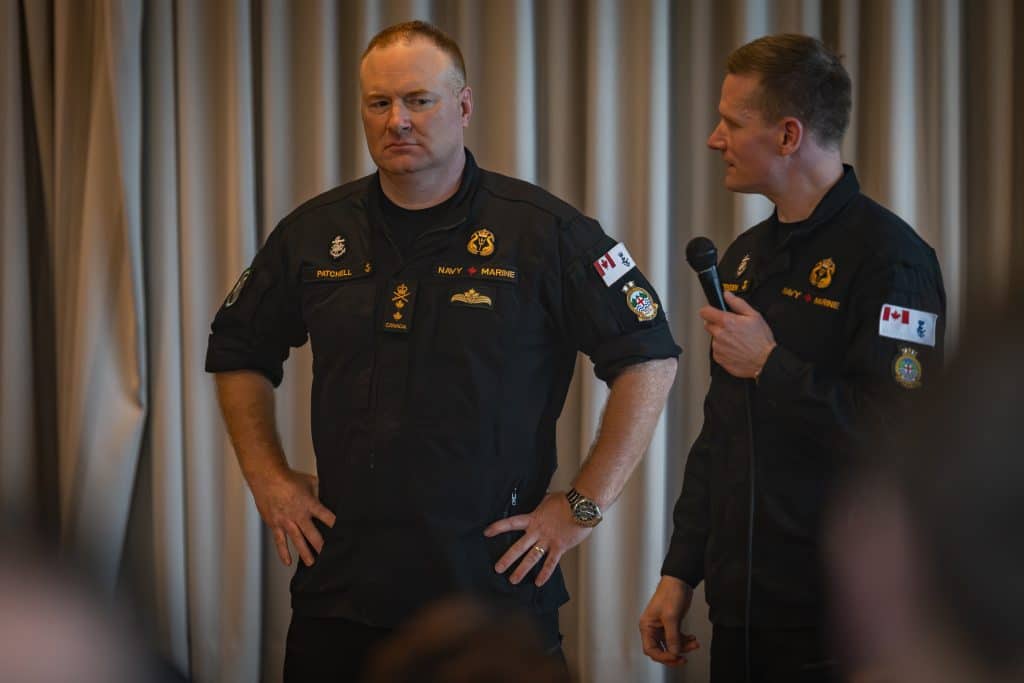
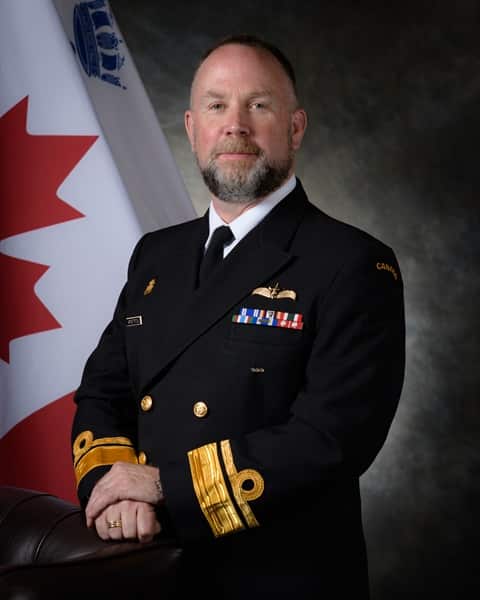
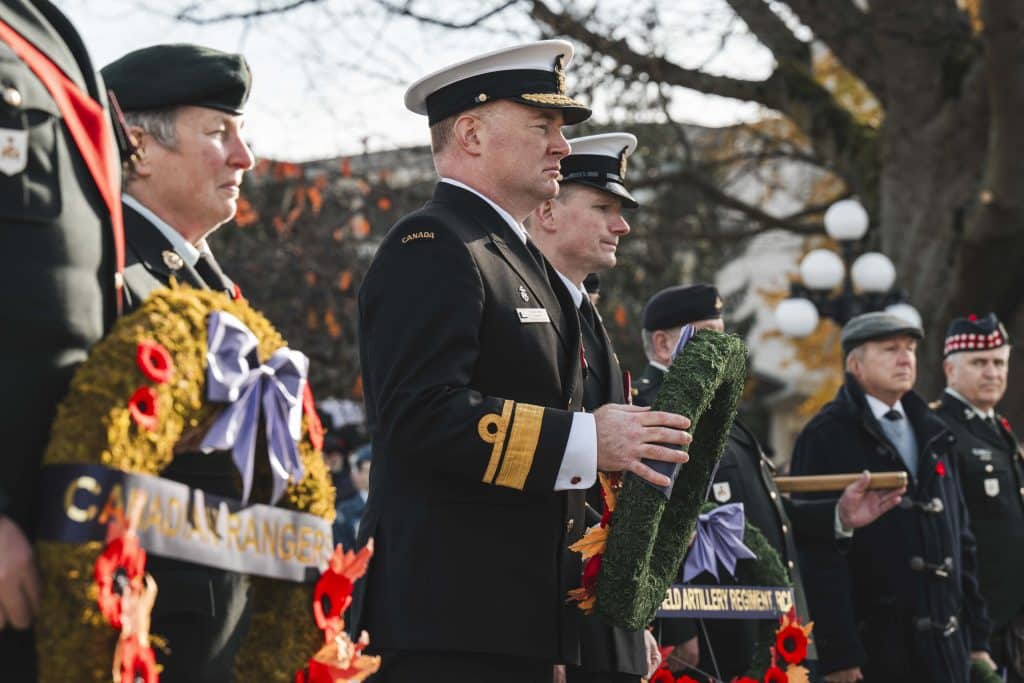
Lindsay Groves, Lookout Newspaper Today, leadership carries many definitions and, at times, misunderstandings. It can appear to be a lot of certainty, command, and action — necessary qualities for any leader. Yet there are foundational elements of leadership that are often less noted, such as calmness, serenity, integrity, and courage. Those are words used to describe Major (Maj) Dick Winters in the book Conversations With Major Dick Winters: Life Lessons From The Commander Of The Band Of Brothers by Cole C. Kingseed. Winters’ story was brought to life by Steven Spielberg and Tom Hanks in the HBO series Band of Brothers, which shared his experience in the Second World War and the hard-earned respect he earned as a leader. Winters, that book, and my work with the CFB Esquimalt community inspired this article — and I hope a series — because leadership is only a word until you witness it in action. When I sat down with Rear-Admiral (RAdm) David Patchell, Commander of Maritime Forces Pacific (MARPAC) and Joint Task Force Pacific ( JTFP), to learn more about his thoughts on leadership, morale, and service, he was quick to redirect the spotlight. “It’s difficult to talk about one’s own leadership,” said RAdm Patchell. “It’s much easier to talk about the amazing leadership I see around this formation.” On the bridge, across the base, at sea and at home, leadership is all around us. “I was on board [His Majesty’s Canadian Ship] HMCS Regina this week,” he continued. “The way that the command team leads — absolutely impressive. The Commanding Officer (CO) Darren Sleen inspires his team by talking about the importance of things as simple as drills and writing them out. Everyone can go and read the CO’s philosophy and understand, in detail, why what they’re doing is important.” RAdm...

Bell Let’s Talk Day Yoga Supports Mental Wellness at CFB Esquimalt

Archana Cini, Lookout Newspaper Defence Team members at CFB Esquimalt gathered at Work Point’s Nixon Gym on Jan 21 for a free guided yoga practice in recognition of Bell Let’s Talk Day 2026. Hosted by MARPAC’s Mental and Social Wellness Working Group, the session encouraged DND staff to 'take a moment for mental health'. PSP instructor Allison Jones shared how yoga supports resilience, stress management, and community, while mental health resources were available on site to reinforce ongoing support. - On Jan 21, Defence Team members at Canadian Forces Base (CFB) Esquimalt were invited to pause, breathe, and reconnect during a free guided yoga practice held in recognition of Bell’s annual Let’s Talk Day. Hosted by MARPAC’s Mental and Social Wellness Working Group, the midday session took place at Work Point’s Nixon Gym and welcomed both civilian and uniformed Department of National Defence (DND) staff to ‘take a moment for mental health,’ the theme of Bell Let’s Talk Day 2026. Participants stepped away from their workday and into a calm, supportive space focused on movement and mindfulness. With yoga equipment provided on site, attendees enjoyed a welcoming guided practice led by Personnel Support Program’s (PSP) Allison Jones. The practice emphasized gentle stretches, mind-body-muscle connection, and breathwork designed to help support overall wellbeing. “Mindfulness and yoga can support the mental health and wellness of Defence team members by helping them stay present and focused, even in busy or demanding environments. Through movement and breath, yoga encourages mindfulness — paying attention to purpose in the moment,” said Jones. “It also helps build a sense of community and gives people tools to reset, manage stress, and feel more grounded, both individually and as a team.” Bell Let’s Talk Day is dedicated to opening conversations about mental health and reducing stigma across Canada. This...

School of Diving Surges Training

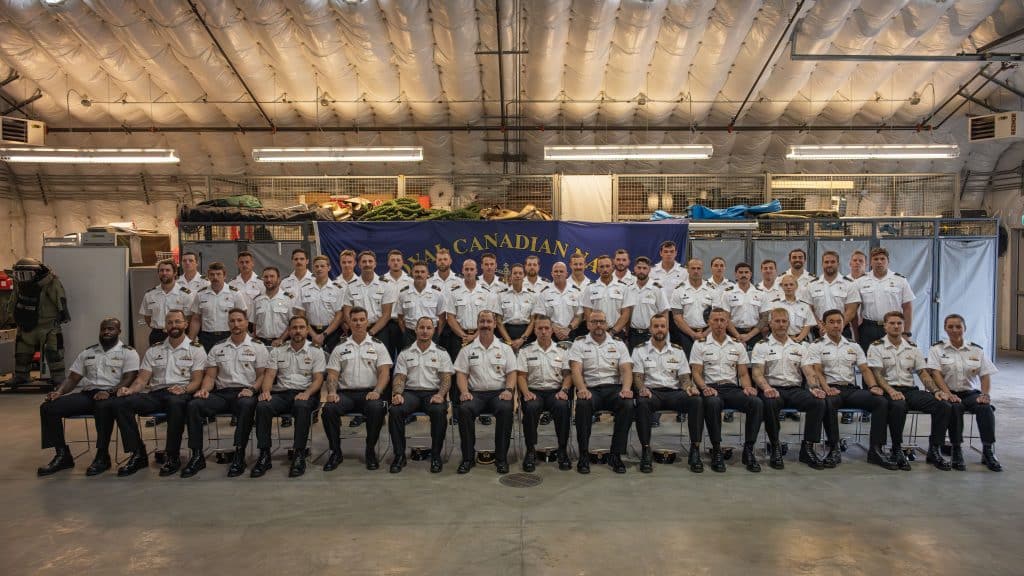
Lt(Navy) Michael Cormie, Fleet Diving Unit (Pacific) Fleet Diving Unit (Pacific) is currently training two concurrent classes of RQS1 Clearance Divers, with a record of 19 students currently enrolled. The 13-month course prepares divers for complex, real-world operations through intensive training in diving systems, fleet support skills, and more. Despite infrastructure challenges and ongoing reconstitution, the School of Diving is adapting to rebuild capacity and deliver highly trained clearance divers. - Petty Officer 2nd Class (PO2) Paul Paquette has his work cut out for him. He is the course instructor for one of two classes of RQS1 Clearance Divers being run concurrently at the School of Diving at Fleet Diving Unit (Pacific) (FDU(P)) this year. A record-high number of 19 students started their training in October 2025, aiming to graduate the high-intensity, thirteenmonth course in late October 2026. PO2 Paquette will help them get there. Shortly after the courses began, students were on parade for the graduation of 2025’s class of divers. “The training is very much a marathon,” said Paquette. “So I hope being on parade helped them visualize what they are working towards when they graduate next year.” Over the duration of the course, the students will learn to dive with various types of diving equipment including the Compressed Air Breathing Apparatus, Surface Supplied Diving, and the two types of rebreather. In addition to the diving itself, students will learn other vital skills including rigging, driving various vehicles and boats, and operating recompression chambers. They will also cover introductory skills in Explosive Ordnance Disposal (EOD) at the Canadian Forces School of Military Engineering in Gagetown. Students will also be introduced to methods of searching for, identifying, destroying, and/ or recovering naval mines that have been rendered safe. They will also learn how to provide engineering support to the...

The Importance of Conduct After Capture (CAC) Training and Becoming a CAC Instructor

Bordie Lawrence, CAC Training Centre Conduct After Capture (CAC) training equips CAF members with the skills needed to survive captivity, resist exploitation, and deny adversaries critical intelligence. Rooted in real-world case studies and modern conflict realities, CAC training has evolved to meet today’s complex and unpredictable battlespace. CAC Instructors (CACIs) play a vital role in delivering this training, strengthening international partnerships, and preparing peers for the most extreme operational scenarios. - Following the events of Sept 11, 2001, and the commencement of the Global War on Terror, it became clear that Canada’s Tier 1 Unit, Joint Task Force 2 (JTF 2), needed new specialized training for personnel deploying overseas. This training would ensure survivability in captivity, deny the enemy valuable military intelligence, and minimize the exploitation of isolated personnel.   As such, JTF 2 members began Resistance to Interrogation (R2I) training to meet this critical need, with support from the British military. By 2005, the first Canadian R2I Instructor Course had been conducted, staffed by British R2I instructors, to fully qualify a pool of Canadian Armed Forces (CAF) members to hold the R2I qualification.   This enabled Canada to begin delivering R2I training independently. The first Canadian-run R2I course was held in 2006, staffed entirely by Canadian instructors. The title of instructor was then officially renamed Conduct After Capture Instructor (CACI). In 2008, the Conduct After Capture Training Centre (CAC TC) was formally established in Kingston, ON, under the Canadian Defence Academy. The program continued to evolve, and in 2019, a comprehensive review led to changes designed to adapt training to the modern global climate, taking into account events such as the annexation of Crimea and the increasingly complex battlespace. The updated program went live in 2021 and continues to adapt to today’s challenges, including the invasion of Ukraine in 2022 and Canada’s ongoing commitments to NATO missions.  Canadian CAC training has always been informed by real-world events and case studies of personnel being held in captivity....

Reunited After Decades: Korean War Shipmates Reconnect in Retirement

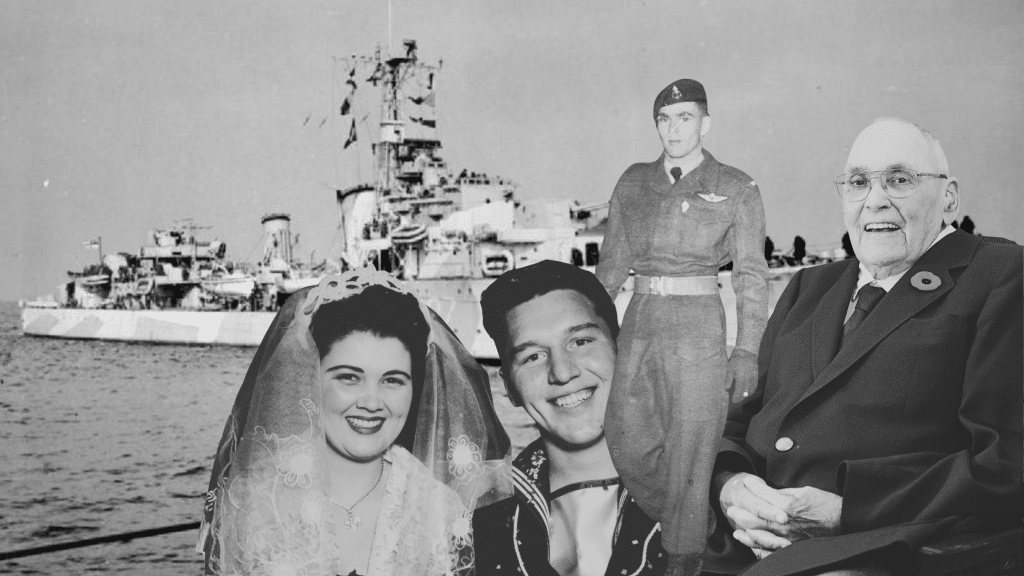
Archana Cini, Lookout Newspaper Three former Royal Canadian Navy (RCN) sailors who served together as teens during the Korean War reunited unexpectedly in their 90s at the Veterans' Lodge, a Broadmead Care home. The men shared memories of life aboard His Majesty's Canadian Ship (HMCS) Athabaskan II, from demanding boiler room work to long months at sea. Their reunion offered a powerful reminder of service, sacrifice, and the lasting bonds formed at sea. - For Roy Mackay, Gil Russell, and Don Russell, life in the Royal Canadian Navy (RCN) as teens meant hard work and discipline. Almost eight decades later, life would give them an unexpected gift — a sudden reunion of shipmates now in their nineties. Now 92, 95, and 94 respectively, (Gil and Don are unrelated, and Don passed away shortly before being interviewed) the three reunited at Victoria’s Broadmead Care Society for the first time in decades. The last time they saw each other was when they were only 16, 18, and 19, serving aboard His Majesty’s Canadian Ship (HMCS) Athabaskan during the Korean War, a vessel often nicknamed ‘Athabaskan II’ or ‘Athabee’. A Tribal-class destroyer, Athabaskan II deployed on three wartime tours starting in 1950 with duties ranging from antisubmarine patrols to troop transport, evacuations, and bombardments. The vessel was in service to Canada from 1948 to 1966. Gil, Roy, and Don all deployed together during its third wartime tour, working as stokers in the boiler room. “I was glad to get out of the army and into the navy, you know,” said Roy. “The navy actually helped me find a job during my return to civilian life, and that was really important to me.” Roy shared details of his work once aboard Athabaskan II for his first deployment with the RCN. “It was freezing down...

Home for the Holidays: HMCS Max Bernays Returns After Historic Deployment

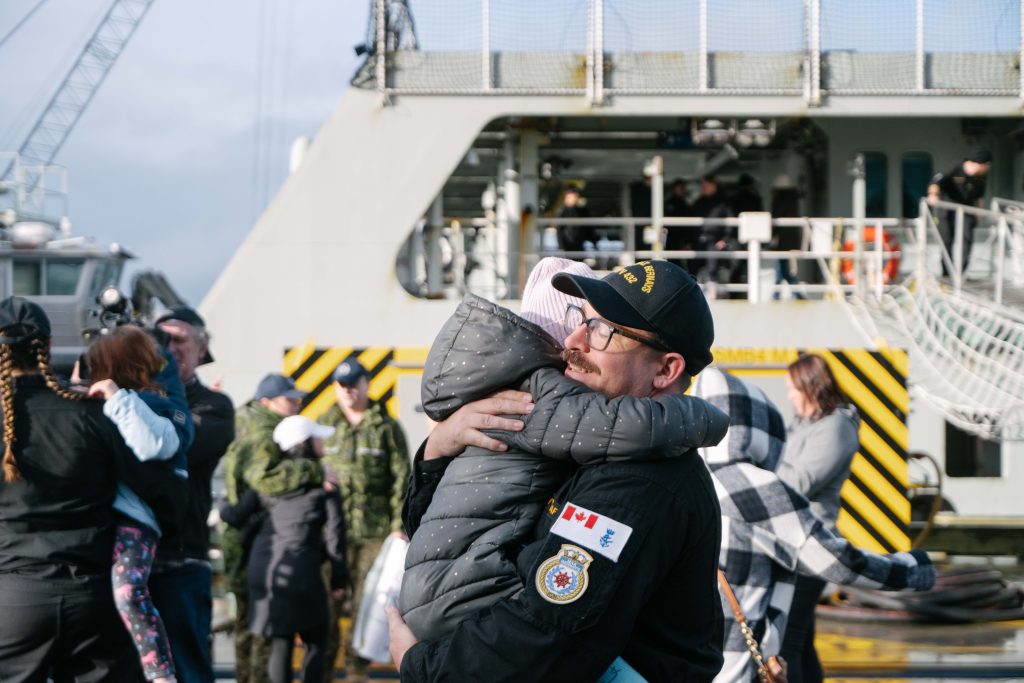
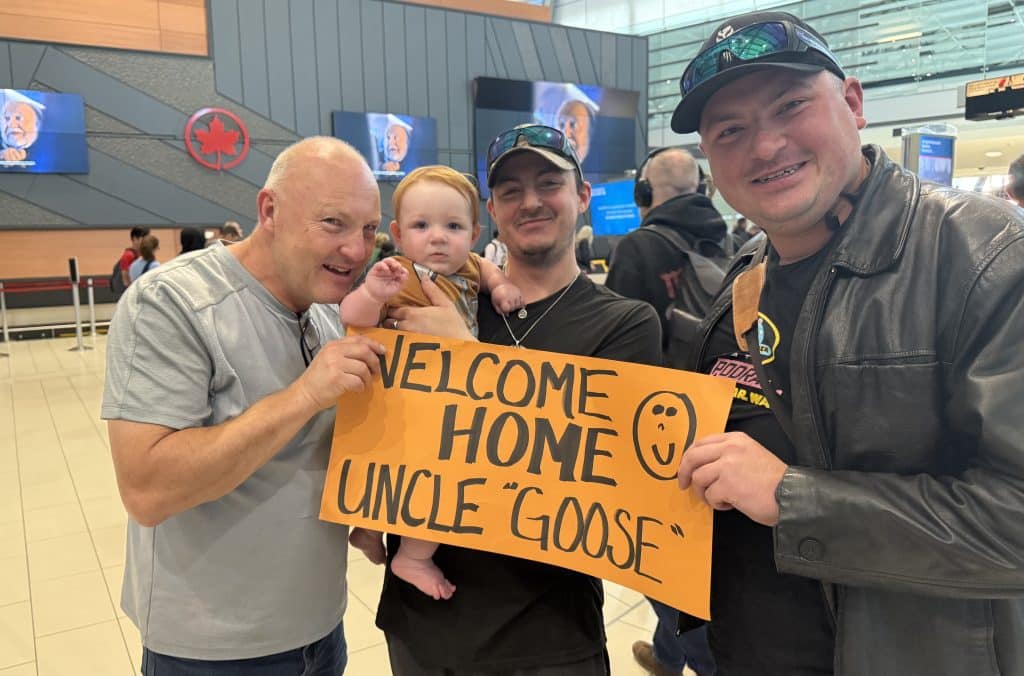
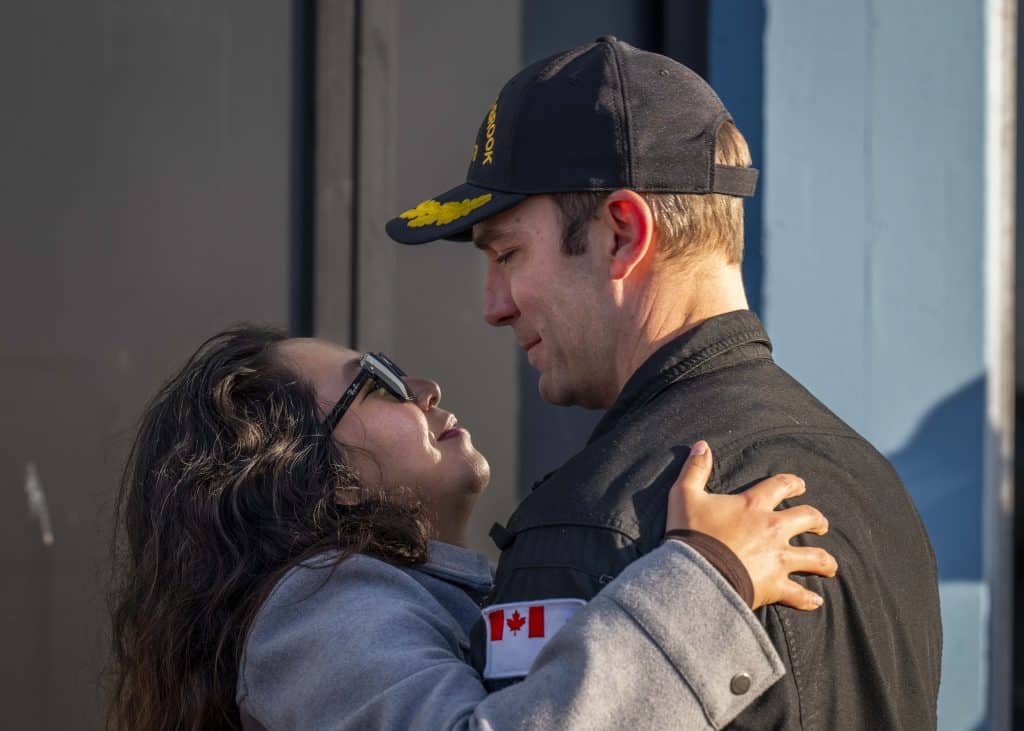
Kelley Stark, MARPAC PA His Majesty's Canadian Ship (HMCS) Max Bernays returned home on Dec 19 after a four-month deployment spanning the Arctic and Indo-Pacific under Operations LATITUDE, HORIZON, and NEON. The ship made Royal Canadian Navy (RCN) history by reaching 81° North, the furthest north ever sailed by a Royal Canadian Navy vessel, reinforcing Canada’s Arctic sovereignty. - His Majesty’s Canadian Ship (HMCS) Max Bernays sailed into its home port on Dec 19, marking the end of a four-month deployment that spanned the Arctic and Indo-Pacific regions under Operations (Op) LATITUDE, HORIZON, and NEON. The crew and their loved ones were thrilled to be reunited. Even the weather seemed happy to see them together as the sun came out on a rather rainy day just as the crew disembarked. Rear-Admiral (RAdm) David Patchell, Commander of Maritime Forces Pacific (MARPAC) and Joint Task Force Pacific ( JTFP), was on the jetty to welcome them home, stating, “It is a crew of exceptional sailors supported by absolutely amazing families,” he said. “They’re home in time for the holidays for a well-deserved break.” The Harry DeWolf-class Arctic and Offshore Patrol Vessel (AOPV) made history during Op LATITUDE by reaching 81° North, the farthest north any Royal Canadian Navy (RCN) vessel has ever sailed. This milestone demonstrates Canada’s growing ability to operate in the High Arctic, and reinforces our sovereignty in a region of increasing global importance. “It is incredible. It is barren. It is breathtaking,” said Commanding Officer of the ship, Commander Nadia Shields. “It is ice as far as the eye can see, and I would say that the Arctic is something that we definitely need to protect.” Following its time in the Arctic, Max Bernays sailed to the Indo-Pacific, visiting ports in Alaska, Hawaii, Japan, the Philippines, and South Korea...

Sailing into 2026 with the RCN: Rear-Admiral town hall recap

LCdr Michelle Scott, MARPAC The Royal Canadian Navy (RCN) hosted a town hall for sailors in late 2025, allowing them to ask questions regarding the future of the navy and any potential concerns. Questions asked by sailors during the town halls centred around the themes of housing, security, and force generation. Responses from RCN leadership can be read below. - In November, Rear-Admiral (RAdm) David Patchell, Chief Petty Officer 1st Class (CPO1) Jonathon Sorensen, and Formation Master Sailor (MS) Haley LeClair held a series of command town halls for the Formation. While not every question and answer is captured here, these questions highlight the predominant themes of housing, security, and force generation. HOUSING Q: How is the Navy addressing housing challenges for our sailors, soldiers and aviators, especially as we work to grow the force and accommodate those on the Basic Training List? A: We recognize that housing remains one of the most pressing challenges. At present, inventory of housing on Base is insufficient, and we are committed to addressing this gap through multiple approaches. New infrastructure projects are underway, including the soon-to-start construction of multiplexes, the purchase of a condominium building at 244 Island Highway, and we are exploring additional options to meet the needs of our members. We are also working closely with local communities to ensure there is adequate housing in the surrounding area. With over 1,800 personnel on the Basic Training List, accessible and affordable lodging for these members is a priority. In the interim, services like the MFRC housing coordinator help connect members with rental opportunities. Q: What is being done to improve infrastructure and maintain morale and retention while major projects like the Nelles Block replacement and the new mess facility are still years away? A: We know that infrastructure limitations and delays affect...

Hours in the Pacific: The Rescue of Sailor 1st Class Matt Blades

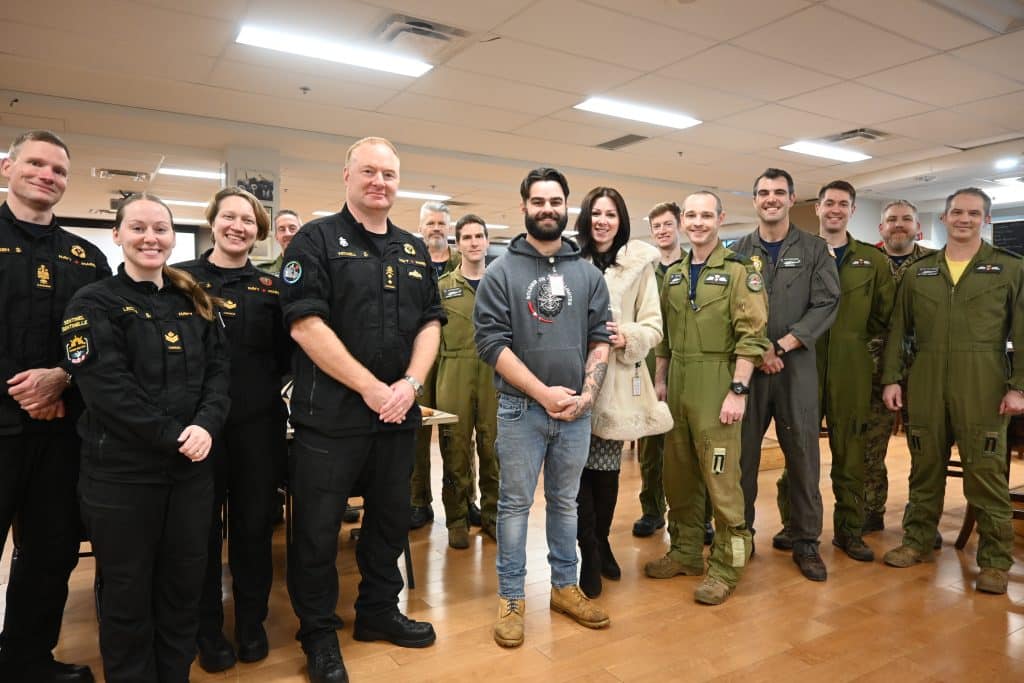
Archana Cini, Lookout Newspaper Royal Canadian Navy (RCN) sailor Matt Blades survived over two hours in frigid Pacific waters after falling overboard from a RHIB near Vancouver Island, prompting an international, multi-agency rescue effort. The successful recovery highlighted the science, training, and coordination behind modern search and rescue operations, including drift modelling and functional time. S1 Blades met with rescuers and RCN leadership just five days later, with the meet leaving a lasting emotional impact on all involved. - One moment Sailor 1st Class (S1) Matt Blades was at the helm of a RHIB. The next, he was fighting for his life in the Pacific. “My whole thought process was that they’re either going to find me, or there’s nothing else I could have done,” said S1 Blades. What followed was a rescue effort that left S1 Blades, his rescuers, and the local community with a deeper appreciation for training, teamwork, and the fragility of life at sea. S1 Blades and his wife S1 Margaret Blades also met some of his rescuers, Rear-Admiral (RAdm) David Patchell, Commander of MARPAC, and Chief Petty Officer 1st Class (CPO1) Jonathon Sorensen, to thank the team and share more about his experience — just five days after his near-death experience. The incident occurred east of Bentinck Island, where S1 Blades was operating a Rigid Hull Inflatable Boat (RHIB) as part of his sentry duties with a fellow sailor. “The waters were getting pretty choppy, so I actually tuned the radio [on the RHIB] to channel 16 in case someone fell overboard,” said S1 Blades about the moments leading up to the incident. “Obviously, this was unknowing that it would eventually be me,” he laughed. S1 Blades fell overboard at approximately 2:40 p.m. into rough waters amid stormy conditions. “I was coming up over a...

2025 In Review: West Coast Navy Highlights

Archana Cini, Lookout Newspaper From ship namings and deployments to international exercises, 2025 showcased the operational readiness and global reach of Canada’s West Coast Navy. Sporting championships, remembrance events, wellness initiatives, and cultural celebrations highlighted the people, families, and partners behind the Defence community. Drawing from more than 100 stories, this year-in-review reflects a collective narrative of service, resilience, and pride across CFB Esquimalt and Maritime Forces Pacific (MARPAC). - From the docks of Esquimalt to deployments far beyond Canada’s shores, 2025 was a year defined by momentum on the West Coast. Across Canada’s Pacific Fleet, sailors, civilians, and families came together for moments that showcased readiness, resilience, and community. In 2025, the Lookout covered more than 100 of these important stories. Together, the highlights below form a broader story of service, connection, and pride between our West Coast, Royal Canadian Navy (RCN), and Defence communities. JANUARY His Majesty’s Canadian Ship (HMCS) Protecteur is named at Seaspan Shipyards, Vancouver All eight Orca-class training vessels sail together for the first time during Photographic Orca Deployment Exercise 2025 (PODEX25) Exercise Roguish Buoy unites Canadian combat divers with Naval Reserve and Latvian divers FEBRUARY The Royal Canadian Logistics Service (RCLS) marks its 57th anniversary of service Annual Wounded Warrior Run raises over $235,000 in funds for traumaexposed organizations, professionals, and their families B-Jetty officially opens at HMC Dockyard Canadian Forces Base (CFB) Esquimalt Tritons men’s basketball team secures the 2025 Canada West Regional Men’s Basketball Championship and the CFB Esquimalt Women’s hockey team secures the 2025 Women’s Hockey Canada West Championship Naden Band of the Royal Canadian Navy (RCN) performs with Katy Perry at the 2025 Invictus Games MARCH The Maritime Forces Pacific (MARPAC) Health and Wellness Expo empowers local Defence community with a tailored showcase of products and services Victoria residents gather...

Menopause Symposium Brings Awareness and Support to Defence Team

Kelley Stark, MARPAC Public Affairs MARPAC hosted its first Menopause Symposium on Nov 21, creating an open space to discuss women’s health and workplace impacts. Four expert speakers addressed physical, emotional, and hormonal health, dismantling stigma while offering evidence-based guidance on treatment, advocacy, and exercise. Defence leadership emphasized that supporting menopause awareness strengthens both member well-being and overall CAF operational effectiveness. - Maritime Forces Pacific’s (MARPAC) first Menopause Symposium took place on Nov 21 in a step towards fostering awareness and support for women’s health in the workplace. Menopause impacts not only individual well-being in life, but also team dynamics, productivity, and retention — yet it remains one of the least discussed phases of life. By creating space for education and dialogue at the workplace, MARPAC is leading the way in breaking stigma and promoting inclusivity. The event was filled with attendees from diverse age groups and backgrounds, highlighting that menopause continues to be a topic that resonates beyond the demographic of middle-aged women. Captain(Navy) Mike Stefanson, Champion for the Defence Women’s Advisory Organization (DWAO), opened the event, reminding audiences that mental, physical, and spiritual health are all key to operational success. “If it’s important to you, it’s important to me and the Admiral,” he said, encouraging people to lean on the DWAO team when needed. The first speaker, Susannah Stewart, a pelvic health physiotherapist in Victoria, gave a talk titled Menopause 101. She explained that menopause can happen for many reasons, including surgery or medical treatment, and that it also affects gender-diverse people. There are over 130 symptoms associated with menopause, including hot flashes, brain fog, and anxiety. She also shared that hot flashes could signal risks for heart disease or dementia. Stewart stressed the value of pelvic physiotherapy and addressed hormone therapy. Next, Shirley Weir, women’s health advocate...

Junior Canadian Rangers Build Skills and Confidence at NLETS 2025

MCpl Jason Shafto From July 28 to Aug 8, Junior Canadian Rangers from all five Canadian Ranger Patrol Groups took part in NLETS 2025, a 12-day leadership and skills program hosted by 4CRPG. JCRs completed early team-building exercises, leadership workshops, collaborative sessions with Sea Cadet leaders, and advanced outdoor activities. The program strengthened confidence, leadership, teamwork, and outdoor skills for youth across Canada. - From July 28 to Aug 8, Junior Canadian Rangers ( JCRs) from all five Canadian Ranger Patrol Groups participated in the 2025 National Leader Enhanced Training Session (NLETS), an annual training event hosted by 4th Canadian Ranger Patrol Group (4CRPG). NLETS is a 12-day program designed to build confidence, leadership skills, and practical abilities in JCRs. To kick off NLETS 2025, approximately 40 JCRs (accompanied by Canadian Rangers, Junior Canadian Ranger Instructors ( JCRIs), and Canadian Ranger leadership) travelled to HMCS Quadra Cadet Training Centre in Comox, British Columbia (B.C.). Here, 4CRPG’s Honorary LieutenantColonel (HLCol) Adele Donaldson delivered remarks at the opening ceremony. JCRs were then assigned to their respective sections, and training commenced. The training began with foundational team-building exercises and leadership workshops that emphasized mentorship and safety. JCRs also collaborated with leaders from the Sea Cadet program to share ideas and explore leadership concepts and theory. After two days of team building and Sea Cadet collaboration, the JCRs travelled to the Strathcona Park Lodge, west of Campbell River, B.C., to apply their skills in advanced expeditions including hiking, canoeing, and rock climbing. Once arrived, lodge staff trained JCRs for their chosen outdoor activities. Following a day of instruction, the JCRs, guided by SPL staff and supported by Canadian Rangers and JCRIs, embarked on four-day adventures. Upon returning, a ceremony was held to recognize significant team contributors for their efforts. The group then travelled from...

New DND Shuttle Trials as Transport for CFB Esquimalt Staff

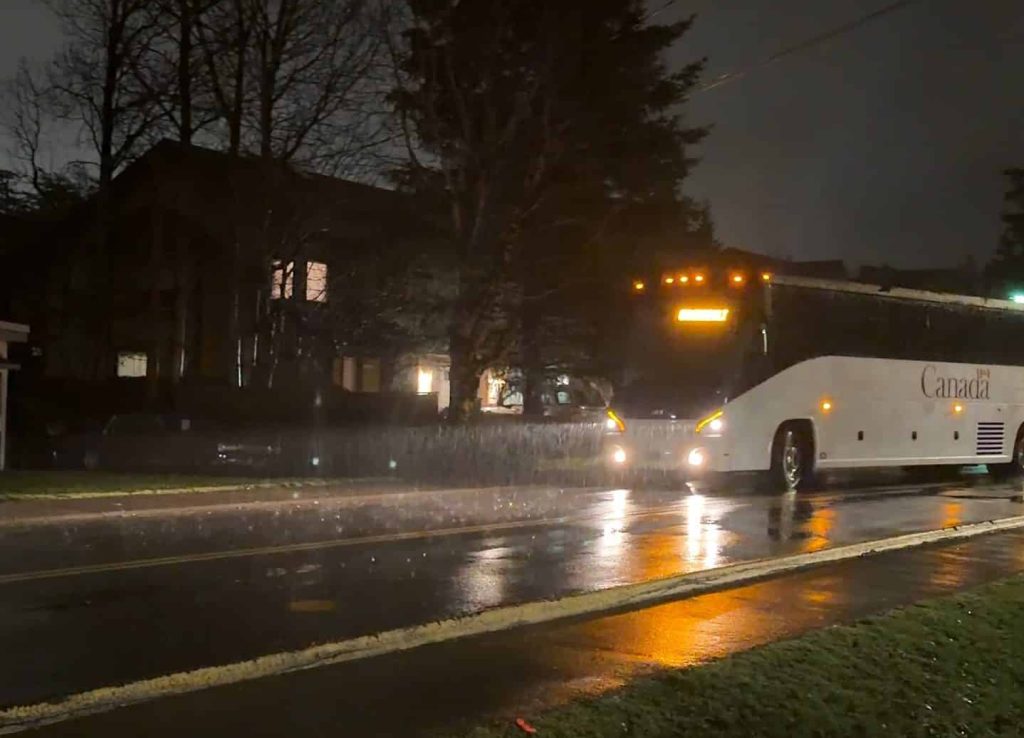
Archana Cini, Lookout Newspaper CFB Esquimalt ran a transportation trial from Nov 24 Dec 12 to simplify commuting across its properties for all DND staff. The pilot tested the Base Connector and the Base Rounder. TEME collected ridership and stop-specific data to evaluate demand, flow, and future service optimization. Early user feedback highlighted reduced stress, fuel savings, and the potential to adopt the service long-term. - Canadian Forces Base (CFB) Esquimalt has completed a new transportation trial designed to make commuting across Vancouver Island simpler and more affordable for local Defence team members. From Nov 24 to Dec 12, Transportation, Electrical and Mechanical Engineering (TEME) piloted The Base Connecter and Base Rounder Initiative, a complimentary mobility service. Intended to improve connectivity across CFB Esquimalt properties, the Base Connector linked Canadian Forces Ammunition Depot (CFAD) Rocky Point, CFB Albert Head, and Colwood with Esquimalt stops including the Base Hospital, Naden, Dockyard, and Work Point. The Base Rounder was also tested to reduce the need for personal vehicles by encouraging Defence team members to leverage a base-operated shuttle to travel to and from CFB Esquimalt properties During the test period, participants hopped aboard both the Base Connector, a 56-passenger coach, and the Base Rounder, a 12-passenger van. TEME also collected daily ridership data and stop-specific pickup information throughout the trial period to assess the necessity of each stop, ridership fluctuations, and overall trial usage. To Petty Officer 1st Class (PO1) Troy Dierk, Weapon Engineering Manager, the trial experience was positive overall. “There was far less stress during the high traffic periods of the trip, less fuel consumption, and thus less expense for me,” he said. “I would reassess some of the stops to confirm if they are necessary to make for a more seamless flow for drivers, as several stops proved to...

Canadian Naval Capability in 2026 and Beyond: The Future of the RCN with RAdm Armstrong

Archana Cini, Lookout Newspaper Rear-Admiral (RAdm) Armstrong outlines a decade of major capability growth for the RCN, including new Arctic and Offshore Patrol Vessels, the Canadian Patrol Submarine Project, and advances in uncrewed systems. RAdm Armstrong emphasizes sailor-focused leadership, modern infrastructure, and mentorship as the foundation for building a future-ready force. - The Royal Canadian Navy (RCN) currently stands at the precipice of a transformative decade — and according to Rear-Admiral (RAdm) Jason Armstrong, Chief of Naval Capability, the coming years promise some of the most substantial capability upgrades in decades. “We just received delivery of the Harry DeWolf class,” said RAdm Armstrong, referring to the new fleet of six Arctic and Offshore Patrol Vessels (AOPVs) helping the RCN operate in regions once out of reach. Armstrong called the class “a phenomenal capability,” noting its successful deployments to the Arctic, Indo-Pacific, and the Caribbean, where the fleet continues to demonstrate its international versatility. Notably, the AOPVs have also successfully deployed further north than any other RCN ship in Canadian history. With the longest coastline in the world, Canada’s underwater surveillance capability is on the mind of RCN leadership. “There’s a lot of new builds coming for our sailors that I’m excited to speak to,” shared RAdm Armstrong. “The Canadian Patrol Submarine Project (CPSP) is very near and dear to my heart.” The CPSP will see up to 12 new submarines join the RCN over the next decade, with each submarine poised with the capabilities to efficiently detect, track, deter, and if necessary, defeat adversaries in all three of Canada’s oceans. “I’m very optimistic with where we’re collectively heading,” said the RAdm. “There are also infrastructure projects on the move to improve quality of life for our sailors, and innovative work being done with regards to drones and uncrewed systems. It’s...

RAdm David Patchell Addresses Questions from Sailors in Town Hall

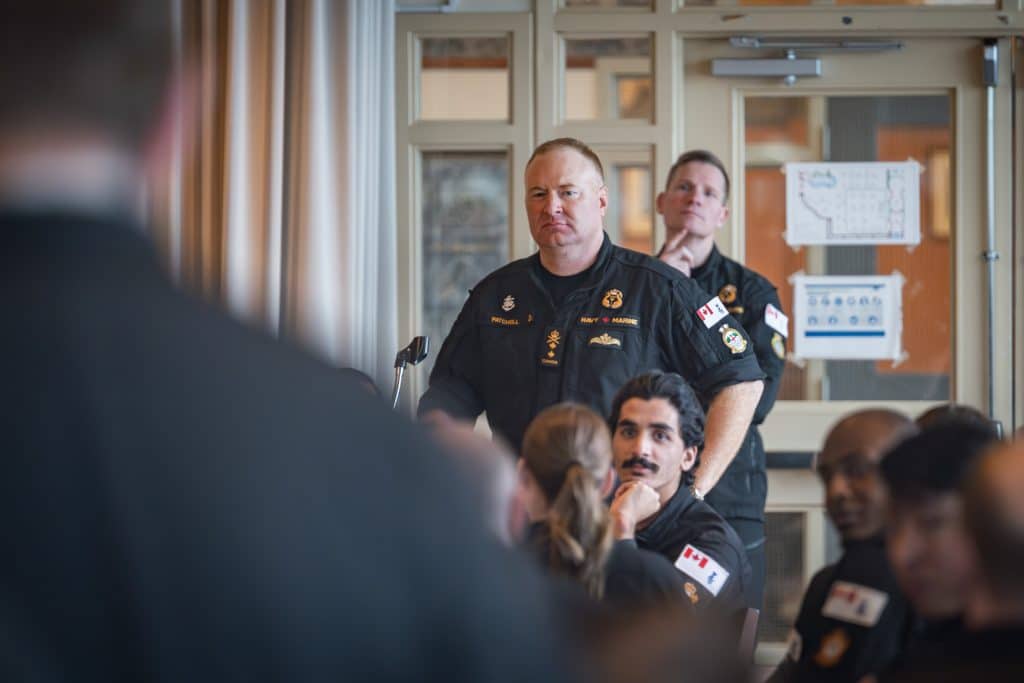
Archana Cini, Lookout Newspaper RAdm Patchell led an open town hall at CFB Esquimalt, addressing fleet expansion, infrastructure renewal, and future Navy priorities. Sailors raised concerns about PT time, training bottlenecks, sea duty pay, security clearances, and childcare shortages. Leadership emphasized professionalism, transparency, and collective responsibility as the Navy grows to meet rising demands. - With the Royal Canadian Navy (RCN) currently short over a thousand sailors, Rear Admiral (RAdm) David Patchell, Commander of Maritime Forces Pacific (MARPAC) and Joint Task Force Pacific ( JTFP), walked into a Nov 19 town hall prepared to speak openly. Hundreds of sailors packed the Rainbow Room at the Canadian Forces Base (CFB) Esquimalt’s Chief and Petty Officers’ Mess for the candid exchange. Split into two open question and answer periods (one for Junior non-commissioned members and another for Chief and Petty Officers), the town hall addressed topics ranging from new service vessels and infrastructure plans to personnel shortages, training bottlenecks, and daily quality-of-life concerns. RAdm Patchell opened the event by thanking sailors for their service during a period of operational demand and transformation, noting that the Navy “must grow two-and-a-half to three times our current size” to meet future requirements. RAdm Patchell also framed the town hall as an open forum, with a ‘no-holds-barred’ approach. He also emphasized three key future priorities for the Formation: defending Canada; regrowing and training the Navy; and inspiring professional warfighters. RAdm Patchell then outlined major Defence investments, calling the progress of the National Shipbuilding Strategy “the most significant recapitalization in generations.” This includes the River-class destroyers, up to 12 new submarines, a future coastal corvette, additional Joint Support Ships, and up to 30 new training vessels. Locally, CFB Esquimalt is also preparing for extensive infrastructure renewal, including new housing, a new Nelles Block, an upcoming Alpha Jetty...

Bay Street Armoury Renamed in Honour of Canadian War Hero

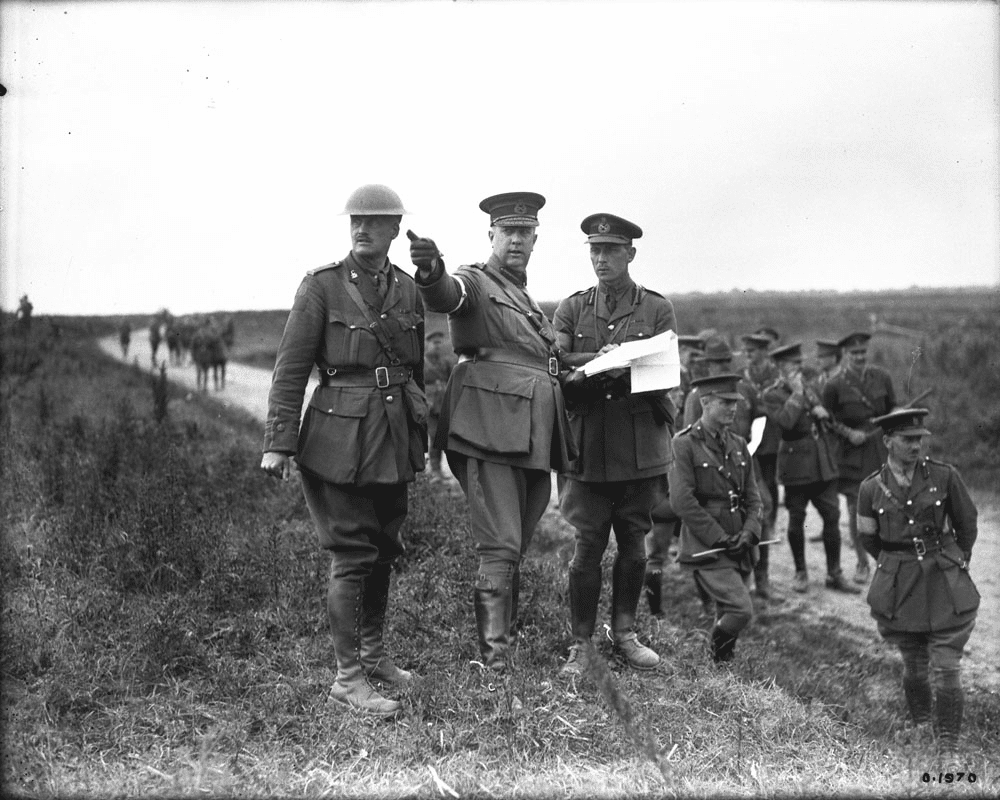
Lieutenant-Colonel (hon) John Ducker The Bay Street Armoury will be renamed the General Sir Arthur Currie Armoury to commemorate the 150th anniversary of Currie’s birth. Currie rose from BC militia volunteer to commander of the 100,000-strong Canadian Corps, leading key First World War victories including Vimy Ridge and the Hundred Days Offensive. The renaming honours his legacy as a military leader and educator whose influence shaped both Canada’s armed forces and its identity. - The weekend of Dec 5 and 6 marks the 150th anniversary of the birth of General Sir Arthur William Currie (1875-1933), a soldier, educator, and British Columbian whose leadership helped define Canada’s role in the First World War. To mark this historic moment, Victoria’s iconic Bay Street Armoury will be formally renamed as the General Sir Arthur Currie Armoury, honoring both his legacy and deep British Columbian roots. Originally born near Strathroy, Ontario, Currie first moved to Victoria in 1894. He was not a career military officer by either upbringing or profession; rather, Currie began his working life as a schoolteacher and businessman. During this time, joining the local militia was an excellent way to expand one’s social and business connections — however, military discipline and study genuinely fascinated Currie. He quickly distinguished himself amongst peers with a remarkable capacity to think clearly, learn rapidly, and lead by example. With no formal military academy training in his background, Currie rose through the ranks by his own merit, intelligence, and determination — qualities that would come to reflect Canada’s own growing confidence on the world stage. During the First World War, Currie served first as a brigade, and then as a divisional commander, demonstrating a consistent commitment to both strategic preparation and the protection of soldiers’ lives. In 1917, he became the first Canadian-born officer to command...

New Offshore Oceanographic Science Vessel to Serve in 2026

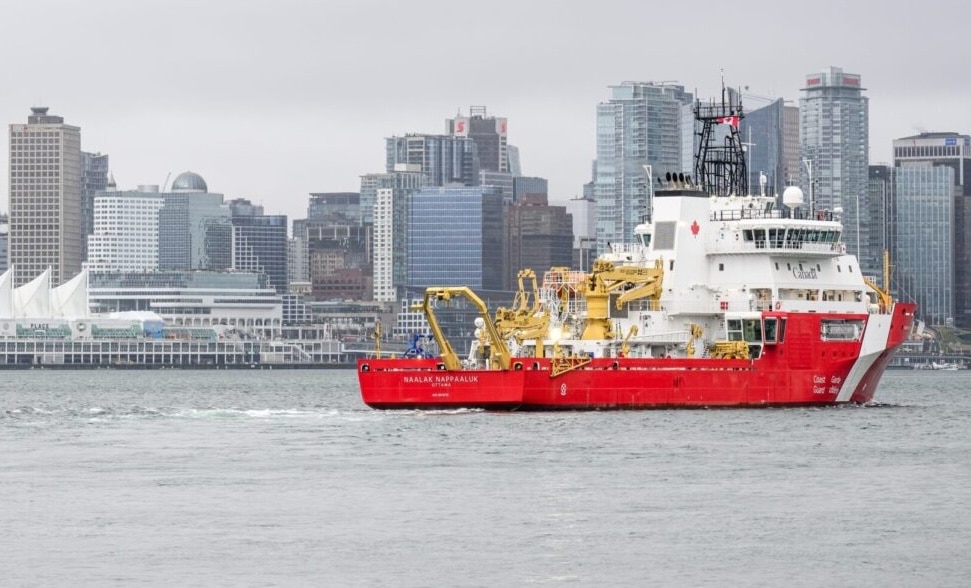
Archana Cini, Lookout Newspaper; with extractions by Lisa Gregoire and the Government of Canada Seaspan Shipyards delivered the new Offshore Oceanographic Science Vessel CCGS Naalak Nappaaluk in November, marking a major milestone under the National Shipbuilding Strategy. The vessel is Canada’s largest purpose-built science ship, equipped with labs, sampling systems, and advanced technology for Arctic and Atlantic ocean research, along with capabilities for search and rescue and environmental response. Named in honour of Inuit Elder Naalak Nappaaluk, the vessel symbolizes Canada’s commitment to reconciliation, Indigenous collaboration, and deepening understanding of the marine environment. - A major milestone in Canada’s shipbuilding program was reached this November when Seaspan Shipyards officially handed over the new Offshore Oceanographic Science Vessel (OOSV) Naalak Nappaaluk to the Canadian Coast Guard (CCG). The delivery was celebrated on Nov 13 at Seaspan’s North Vancouver Shipyard and marked the fourth large vessel completed under the Canadian National Shipbuilding Strategy (NSS). Constructed entirely in Vancouver by Seaspan ULC, Canadian Coast Guard Ship (CCGS) Naalak Nappaaluk is set to become the CCG’s largest purpose-built science vessel. Designed to support long-term oceanographic research on both the Atlantic and Arctic coasts, the ship brings a suite of specialized tools and technology to answer Canada’s most pressing marine questions. Onboard features include: dedicated laboratories; an ocean sampling room; a marine mammal observation station; and advanced monitoring systems that will allow scientists to gather data on ecosystems ranging from coastal shallows to deep-ocean environments. Beyond marine research, Naalak Nappaaluk is also equipped to assist with search and rescue, environmental response, and other urgent operations. Notably, the vessel carries the name of Naalak Nappaaluk, an Inuit Elder from Kangiqsujuaq, Nunavik whose work helped preserve Inuit language and culture. Before his passing in 2010, the Elder loved being on a boat at sea to hunt beluga...

Naden Band Readies for 47th Annual Holiday Show and Toy Drive

Archana Cini, Lookout Newspaper The Naden Band’s 47th annual Holiday Show returns to the Royal Theatre this Dec 8 and 9, featuring festive music and a long-standing Salvation Army toy drive partnership. Behind the scenes, the show takes nearly a year to plan, with new arrangements, scripts, and production elements crafted to surprise audiences. - The Victoria holiday season wouldn’t be complete without the return of one of the region’s longest-running musical traditions: The Naden Band of the Royal Canadian Navy’s (RCN) annual Holiday Show. Now in its 47th iteration, the beloved community event returns to the Royal Theatre this Dec 8 and 9, transforming the stage into a festive showcase of music. More than an incredible showcase of some of the RCN’s finest musicians, the show is also a major part of the Salvation Army’s annual toy drive. As such, ticket prices range from $10 to $15 per person with an unwrapped toy. Military members are also able to access balcony seating for $7.50 alongside a toy donation. The toy drive collaboration has been a partnership between the Salvation Army and Naden Band since the first Holiday Show in 1978 — nearly half a century worth of toys for children. “Our relationship with the organization is now 47 years, and we know how much they appreciate what we can bring to the table,” said Petty Officer Second Class (PO2) Cindy Hawchuk, Production Supervisor (Vocals). “I love that the community is also aware of this partnership and show, and that they come back year after year to support.” This year’s production will feature a lively and heartwarming program of holiday favourites arranged to feature the ensemble’s musicians, including vocalist PO2 Hawchuk. “We don’t want to give too many secrets away though — you must come to one of our two...

Annual Concert of Remembrance Honouring Veterans Receives Standing Ovation

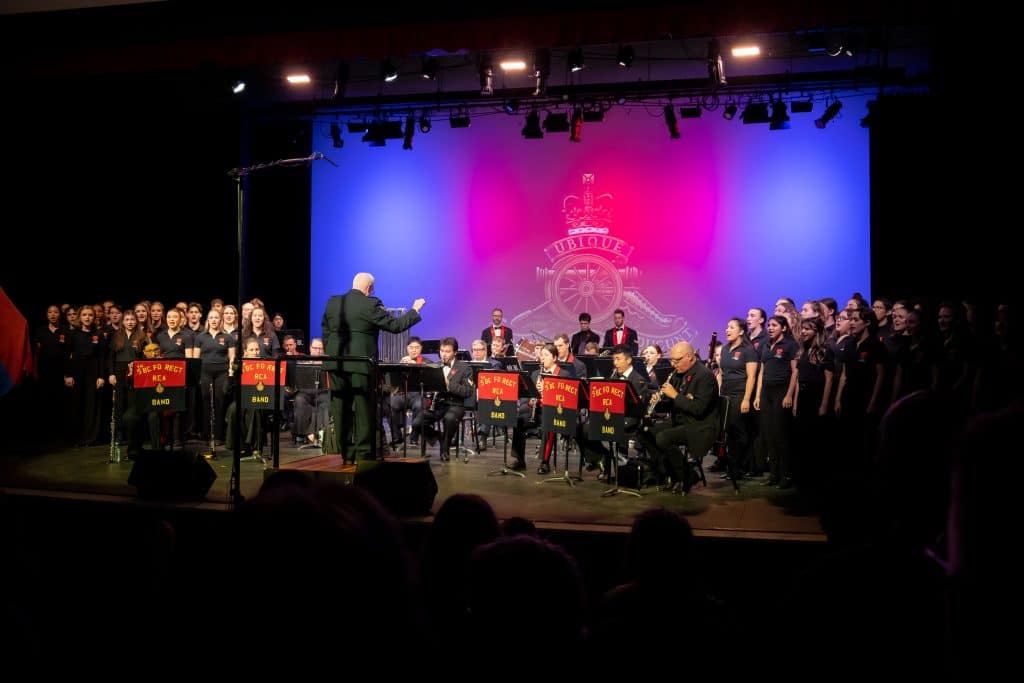
Archana Cini, Lookout Newspaper The 25th Annual Concert of Remembrance took place Nov. 8 at the Dave Dunnet Community Theatre, bringing together hundreds in honour of Canadian veterans. The event featured performances by the Band of the 5th (B.C.) Field Regiment, Royal Canadian Artillery, and students from the Canadian College of Performing Arts (CCPA). Proceeds benefited the Esquimalt Military Family Resource Centre (EMFRC) and Canadian Heritage Arts Society (CHAS). - Hundreds of Vancouver Island residents recently gathered at the Dave Dunnet Community Theatre to remember Canadian veterans through music and movement. A night of respect and reflection, the annual Concert of Remembrance returned on Nov 8 to honour our Canadian veterans and service members. The concert was co-presented by the Canadian Heritage Arts Society (CHAS) and the District of Oak Bay, bringing together the Band of the 5th (British Columbia) Field Regiment, Royal Canadian Artillery, and the Canadian College of Performing Arts (CCPA). An annual tradition since the CCPA’s founding in 1998, the Concert of Remembrance celebrated its 25th show this year. The event opened with remarks from Kevin Murdoch, mayor of Oak Bay, and Lieutenant-Colonel (retired) Philip Sherwin. The night then took audience members through the realities and vulnerabilities of service with the Band of the 5th performing over ten compositions introduced by Master of Ceremonies Lieutenant-Commander (LCdr) (retired) Gerald Pash. To Captain (Capt) Daniel Moses, Director of Music Band for the 5th (British Columbia) Field Regiment, music has often played the role of an ultimate morale booster. “Music and song are crucial to being human, and that is even more apparent during times of duress. Think about the military action in Ukraine and how music, dance and song bound the Ukrainian people together against their oppressors,” said Capt Moses. “It was the same during the Second World War,...

Steward Commemorative Event Bids Farewell to RCN Trade

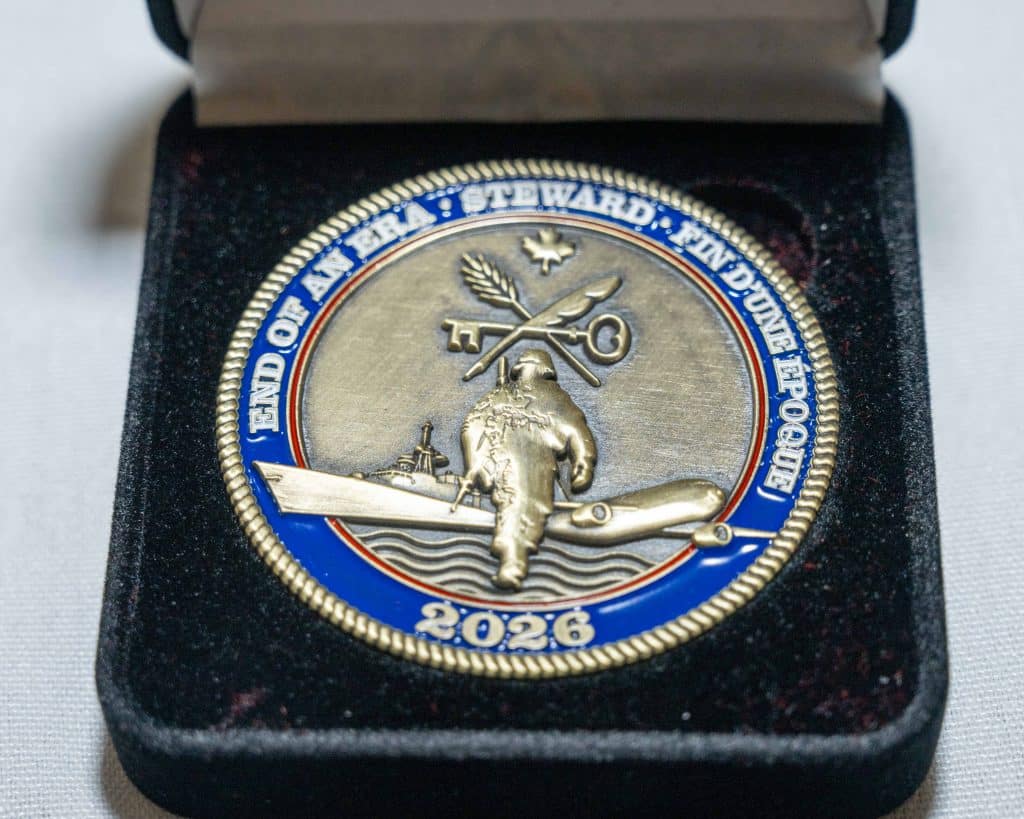
A/SLt Emily Shea, MARPAC Public Affairs The Royal Canadian Navy hosted a Stewards Commemorative Event at CFB Esquimalt on Nov 6 to honour the retirement of the Steward occupation. The Steward trade was retired following a review of naval occupations as the RCN modernizes its fleet and adapts to new operational needs. Each Steward received an “End of an Era” commemorative coin from Rear-Admiral David Patchell, recognizing their service and contribution. - Members of the Royal Canadian Navy (RCN), veterans, Defence families, and supporters recently gathered at the Chief and Petty Officers’ Mess for the Stewards Commemorative Event. Held on Nov 6 at Canadian Forces Base (CFB) Esquimalt, the event honoured the legacy of the Steward occupation, which is now retired. The event marked a turning point in the history of the RCN at CFB Esquimalt, with each Steward being recognized, appreciated for their service, and presented with an ‘End of an Era’ commemorative coin. Rear-Admiral (RAdm) David Patchell spoke to the significance of the role during the event, describing Stewards as “a quiet strength behind absolutely everything we have done and continue to do.” RAdm Patchell also highlighted their steady presence in every galley, wardroom, and mess to date. RAdm Patchell also acknowledged the weight of this transition, stating, “The retiring of the Steward occupation is not a retirement or dismissal of you, our Stewards.” He emphasized that the values Stewards brought to the Navy remain vital. “Even as we change and evolve, your legacy will be felt for generations.” In June 2022, Vice-Admiral (VAdm) Angus Topshee first announced the decision to retire the Steward occupation following a multi-year review of naval trades and changing expectations. As the RCN modernizes its fleet and adapts to new operational demands, recruitment for the trade has ended and current Stewards are being...

Reading as Remembrance: Stories that Keep Service Alive

Archana Cini, Lookout Newspaper Reading can become an act of remembrance when sacrifice is honoured through story and reflection. Discover powerful books to read that preserve the voices of Canada's veterans, from memoris to historical accounts. - The service and sacrifice that shapes Canada lives not only through monuments and medals, but also within books. Reading, like remembrance, invites reflection. Whether told through the lens of history, fiction, lived experience, or artwork, the books below preserve the voices of our veterans. Together, they ensure that their sacrifices continue to shape our understanding of duty, peace, and what it means to serve. They are told by our veterans, historians, and storytellers alike. Importantly, the suggested material below reminds us that war and service extend far beyond the battlefield. They travel into our homes, hearts, communities, and collective history. They will never leave. This Remembrance month, Canadians are encouraged to read and revisit the layered reading list below as a powerful act of remembrance. And No Birds Sang by Farley Mowat: A powerful Second World War memoir by a Canadian infantry officer grappling with loss and the human cost of war. A History of Women in the Canadian Military by Barbara Dundas: A sweeping exploration into over a century of women’s service in the Canadian military from the 1885 Northwest Rebellion to today. A Sailor’s Life by Peter Godwin Chance: A naval memoir chronicling over three decades of service in the Royal Canadian Navy (RCN) recounted by one of the country’s most distinguished sailors. Warriors & Nations: Voices from the Original Peoples by Jean Miso: A collection of Indigenous veteran narratives from across Canada on the intersections of service, identity, and community from the Boer War to the present day. The Naval Service of Canada 1910‑2010 (ed. Alec Douglas): A comprehensive centennial...

The Blood Between Us: How a Donor’s Gift Saved a CAF Member and Redefined Service

Archana Cini, Lookout Newspaper After battling years of life-threatening infections, Royal Canadian Dragoons member Blair Edwards received a life-saving stem cell transplant from an anonymous donor. The Edwards’ story highlights the vital role of Canadian Blood Services and encourages all Canadians to donate blood, plasma, or stem cells. - When Leah Edwards’ youngest son Blair was admitted to hospital with a life-threatening infection, her family’s understanding of service and sacrifice took on a new meaning. Blair Edwards, a member of the Royal Canadian Dragoons (RCD) based in Petawawa, has served in the Canadian Armed Forces (CAF) since 2018. His older brother, Kyle, joined the Royal Canadian Navy (RCN) in 2017 and is currently standing sentry for the Tomb of the Unknown Soldier following a deployment aboard His Majesty’s Canadian Ship (HMCS) Ottawa. Their grandfather, a retired Chief Warrant Officer, also served in the Air Force. For the Edwards family, service has always run deep — but nothing could prepare them for Blair’s medical battle. In 2018, just three days into his military journey, Blair was hospitalized with the first of many Staphylococci infections. These infections would rear up during both his Soldier Qualifications (SQ) and Developmental Period (DP) Level One training. Eventually, he was able to successfully complete his soldier qualifications (SQ) while battling both pneumonia and an active infection. After a challenging four years, Blair then lived through an incredibly difficult 2023 surgery to remove two spleens (only one of which was natural) and narrowly survived post-surgery septic shock. Now, the only potential path to cure Blair was a complete stem cell replacement. On April 30, 2024, Blair received a life-saving stem cell transplant thanks to an anonymous donor. "The initial stage of the process seemed almost anti-climactic as Blair recieved high doses of chemotheraphy in the weeks preceding...

Students from Camosun College Set Sail for Learning Aboard HMCS Vancouver

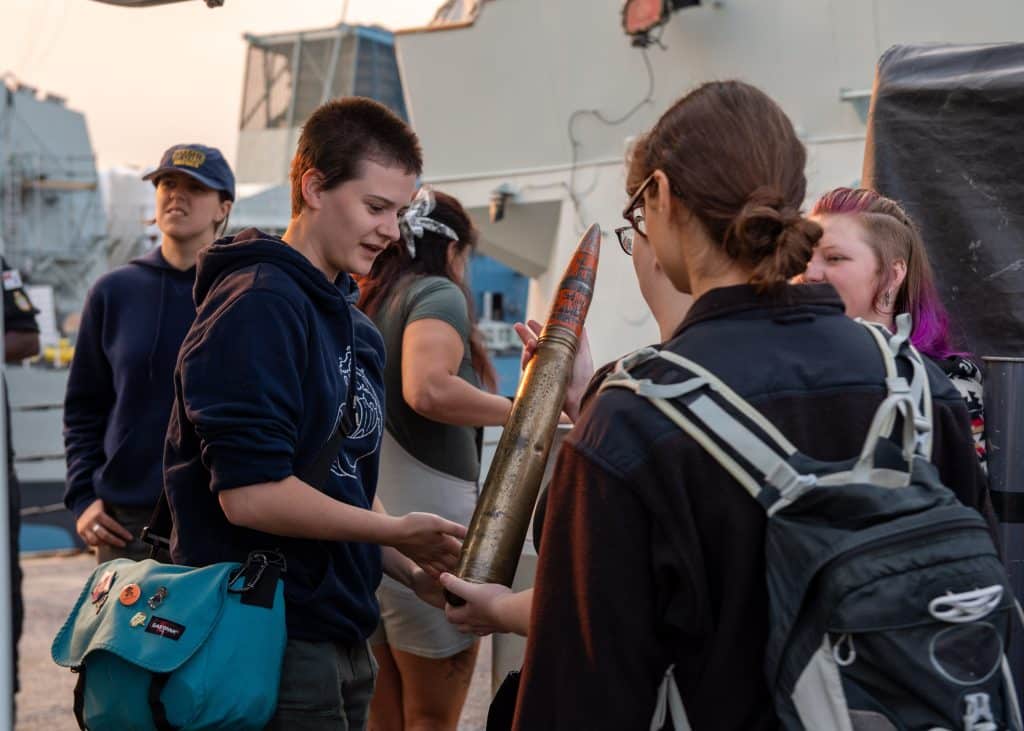
A/SLt Kim Wachockier, MARPAC Public Affairs Twelve students from Camosun College’s Enhanced Bridge Watch Rating Program toured HMCS Vancouver on Sept 17 to explore life aboard a Halifax-class ship. The visit gave students firsthand insight into naval operations, seamanship, and technical systems aboard a Royal Canadian Navy (RCN) frigate. The partnership fostered learning, inclusion, and awareness of marine and defence career opportunities for women and Indigenous Peoples. - Twelve students from Camosun College’s Enhanced Bridge Watch Rating Program stepped aboard His Majesty’s Canadian Ship (HMCS) Vancouver on Sept 17 for a guided tour of life on a Halifax-class vessel. Intended to prepare participants for a career in the marine sector, the Camosun Enhanced Bridge Watch Rating Program is a fully funded training opportunity for women and Indigenous Peoples that teaches seamanship and navigation skills. It also allows them to earn Transport Canada recognized certifications throughout the program. By opening Vancouver’s doors and hatches to students, the Royal Canadian Navy (RCN) fostered awareness, interest, and respect for naval service while simultaneously building relationships with the next generation of marine professionals. Once onboard for the guided tour, students were eager to experience the naval environment studied in the classroom, explore living quarters, and learn how an RCN frigate operates. The visit began inside the ship’s hangar, where Lieutenant(Navy) Joey Dooley welcomed the group of students, explaining the use of embarked helicopters during deployments. Lt(Navy) Dooley then brought students onto the deck to showcase equipment specific to Halifax-class frigates. These included Vancouver’s missile systems, Bofors 57mm rapid-fire gun, and its ammunition. Here, students also received the opportunity to handle a non-live round. Once within the vessel, Lt(Navy) Dooley gave students a look into Vancouver’s living quarters, showcasing bunks and other spaces where RCN sailors spend months at sea. The tour then shifted to...

FDU(P) Supports Officer Development at Sea

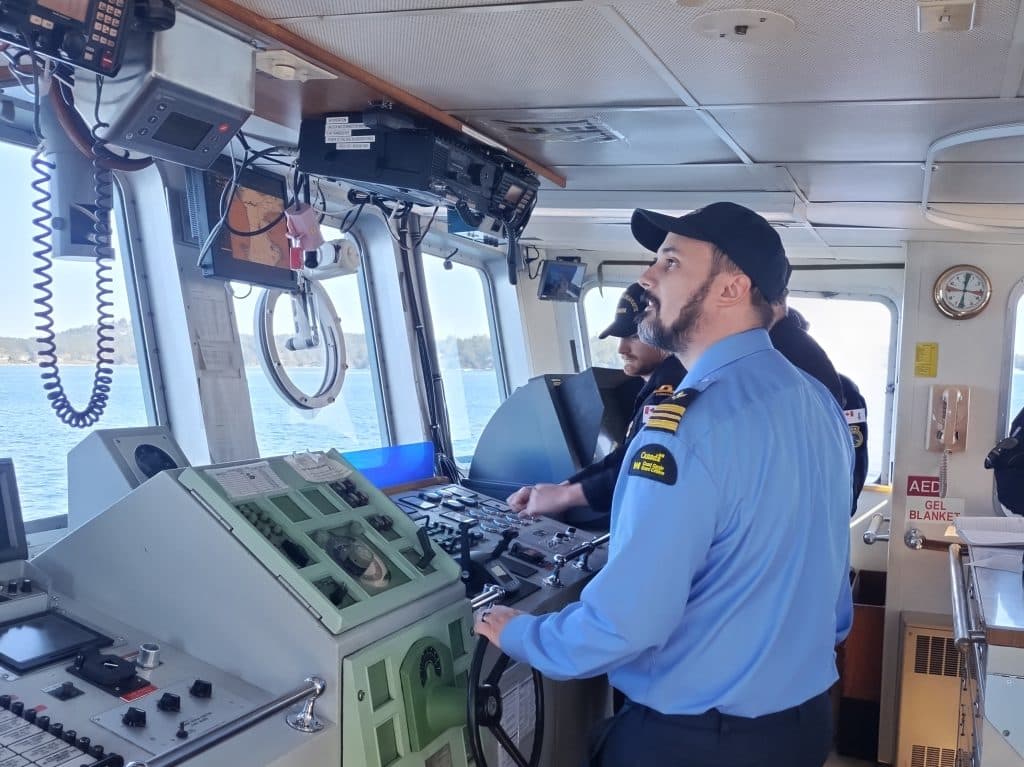
Lt(Navy) Michael Cormie, FDU(Pacific) Fleet Diving Unit(Pacific) hosted a two-week sea training aboard YDT Sooke to help junior Naval Warfare Officers complete bridge watch hours. The voyage offered hands-on ship-handling experience, teamwork with the Canadian Coast Guard, and exposure to naval operations. - Fleet Diving Unit(Pacific) (FDU[P]) is dedicated to supporting the Canadian fleet, but from Sept 22 to Oct 3, the team took that mission to a new level. Sailing aboard Yard Dive Tender (YDT) Sooke, members of FDU(P) provided junior Naval Warfare Officers (NWOs) currently working towards completing their 600 bridge watch hours with hands-on experience with atypical fleet platforms. While on watch, the junior NWOs strengthened their bridge watchkeeping abilities, gaining confidence as professional mariners at sea. First built in 1990 to support range operations in Nanoose, Sooke was modified in the late 1990s to better support diving missions. Typically used by clearance divers, the Canadian Armed Forces’ (CAF) experts in route clearing and mine countermeasures, Sooke usually carries a crew of 12. For this sail, capacity increased to 18 with aid from FDU(P)’s engineering department and Fleet Maintenance Facility (FMF) Cape Breton members. To achieve this, a repurposed sea container, or an ‘accommodation pod,’ was installed on the deck space normally utilized for the Containerized Diving System recompression chamber. Six newly promoted SubLieutenants (SLts) joined Sooke for the two-week sail, developing navigation, seamanship, and ship-handling skills. This included a rare chance for the SLts to manually steer the vessel during both departures and drills. “This was a great event, with fantastic training quality. It allowed us to build skills and work towards our NWO 600 hours,” said SLt Conal Evans, originally from Vernon, British Columbia (B.C.). “It was an excellent opportunity to consolidate the skills I’ve learned and to develop myself as a bridge watchkeeper.” The...

New Display at CFB Esquimalt Museum Honours Late Naval Commander Peter Godwin Chance

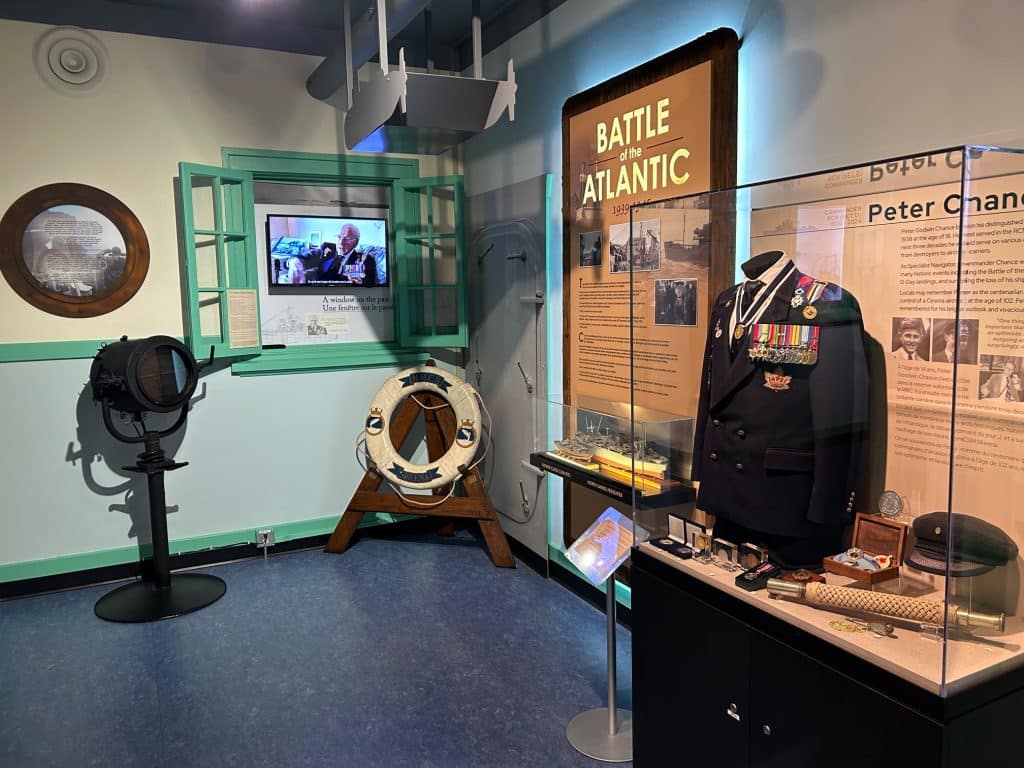
Archana Cini, Lookout Newspaper CFB Esquimalt Naval and Military Museum unveils a permanent display honouring the late Commander (Ret’d) Peter Godwin Chance. The exhibit features his medals, uniform, and artifacts, celebrating a career that spanned from the - Battle of the Atlantic to the Korean War. The ceremonial paddle passed to his grandson Damon symbolizes remembrance, legacy, and family pride through generations. - We remember Commander (Cdr) (retired) Peter Godwin Chance. The life, legacy, and service of the late Cdr Chance now have a permanent home at the Canadian Forces Base (CFB) Esquimalt Naval and Military Museum. On Oct 15, family members, friends, Defence team members and representative of the Royal Canadian Navy (RCN) and Naval Association of Vancouver Island (NAVI) gathered at the museum for the unveiling of a new, permanent display dedicated to the celebrated naval officer that includes Cdr Chance’s medals, uniform, and other personal effects. The artifacts have now been added to the Peter Godwin Chance Gallery, first named in his honour on his 101st birthday in 2021. Cdr Chance, who passed away at the age of 103 on April 9, 2024, was one of the last surviving Canadian officers to have served in the Battle of the Atlantic, the longest campaign of the Second World War. He took part in the Dunkirk evacuations, D-Day landings, and the evacuation of Singapore, serving aboard 13 ships over the course of his naval military career. Cdr Chance also survived the 1944 sinking of His Majesty’s Canadian Ship (HMCS) Skeena in the North Atlantic and combat during the Korean War aboard HMCS Cayuga. Born in Ottawa, he served from 1938 to his retirement in 1969, when his sense of duty shifted into public life. After his retirement, Cdr Chance volunteered with the Amyotrophic Lateral Sclerosis (ALS) Society, Saanich Peninsula...

Nine Days in Nanisivik: DND Team Successfully Reactivates Remote Arctic Facility

Archana Cini, Lookout Newspaper Contributions by Scott Kimmett, Master/Chief Engineer King’s Harbour Master (KHM) DND team reactivates the Nanisivik Naval Fueling Facility in Nunavut after years of dormancy, with the missions spanning two trips — nine days in July and two weeks in September. The team successfully de-winterized and consolidated 500,000 litres of diesel fuel for donation to the Government of Nunavut. The mission was successful in spite of extreme weather, no connectivity, and limited documentation. The mission provided hands-on Arctic training and cost savings for future DND operations. - A small but determined team from the Department of National Defence (DND) recently travelled to one of Canada’s most remote Arctic outposts to reactivate a facility long asleep under the snow. The mission began in July, when Barge Master Scott Kimmett of the Port Operations and Emergency Services Branch (POESB) joined DND colleagues from across the nation at the Nanisivik Naval Fueling Facility for a nine-day operation, the first of its kind. The mission continued into the fall with a second, two-week trip North to the facility in late September. Their goal? To de-winterize, reactivate, and consolidate stored diesel at the site, preparing the recovered fuel for donation to the Government of Nunavut. Located on the grounds of a former lead-zinc mine, the Nanisivik naval facility is found on the northern end of Baffin Island, Nunavut, both a remote and strategically significant part of Canada. Before the team could begin operations, nearly 8,000 pounds of equipment were airlifted from Iqaluit to Arctic Bay, where it was then trucked across the tundra to the isolated site. “Upon arrival, we found the base fully winterized,” said Kimmett. “With no team members having prior experience at the site and limited procedural documentation available, much of our efforts involved tracing systems, removing blanked piping,...

HMCS Corner Brook Returns Home

A/SLt Emily Shea, MARPAC Public Affairs HMCS Corner Brook returned to Victoria on Oct 5 after a two-month deployment on Operation LATITUDE. Its mission included joint operations with the U.S. Navy, Coast Guard, and Royal Canadian Air Force (RCAF) Capt(Navy) Alex Kooiman highlighted the teamwork across the Canadian Submarine Force (CANSUBFOR) The submarine now enters a short maintenance and modernization period before resuming training operations - On Oct 5, the crew of His Majesty’s Canadian Submarine (HMCS) Corner Brook reunited with loved ones at Ogden Point Terminal in Victoria, following a successful two-month deployment on Operation (Op) LATITUDE. The homecoming was marked by both emotional reunions and pride in a mission accomplished. Sailor First Class (S1) Zachary Davidson was the first to disembark from the submarine, honoured with the First Kiss tradition which he shared with partner Lauren Tarr. The deployment was especially significant for Lieutenant-Commander (LCdr) Clark Hubbard as it was his first as a Commanding Officer (CO). “It was a great opportunity for me as my first command. We operated with the United States (U.S.),” said LCdr Hubbard. “It was fantastic to work with them in that capacity, especially as I recently worked and sailed with our U.S. allies, which was an excellent opportunity for my development as a submariner.” Throughout the deployment, HMCS Corner Brook participated in joint operations with the Royal Canadian Air Force (RCAF), the U.S. Navy, and the U.S. Coast Guard, reinforcing Canada’s commitment to detecting, deterring, and defending against regional threats. The mission also served as a vital training opportunity. “We brought a lot of new sailors on board,” said LCdr Hubbard. “The vast majority got qualified, and we’re set up for success for the next couple of years because of the training we were able to do.” Captain(Navy) Alex Kooiman, Commander of...

Ship to Shore Industrial Tradeshow Returns

Archana Cini, Lookout Newspaper The annual Ship to Shore Industrial Tradeshow returned to CFB Esquimalt’s Naden Athletic Centre on Oct 7 Over 50 vendors showcased innovations across industrial, marine, and defence sectors Complimentary food, coffee, and over $2500 in prizes and flight vouchers energized the day - From cutting-edge equipment to community connection, the annual Ship to Shore Industrial Tradeshow celebrated more than industry — it celebrated partnerships. Presented by the Lookout Newspaper, the one-day event brought together over 50 vendors from across industrial, marine, and defence industries to Canadian Forces Base (CFB) Esquimalt’s Naden Athletic Centre on Oct 7 for a showcase of the latest products and services supporting Canada’s defence operations. With free admission extended to regular and reserve Canadian Armed Forces (CAF) members along with civilian employees, Ship to Shore has brought industrial knowledge, food, and excitement to the local military and civilian community for over a decade. For those travelling from other units, rounders provided complimentary, accessible transportation from Signal Hill, Colwood, and Work Point, allowing the entire Esquimalt Defence team to participate. With a lively atmosphere, Ship to Shore featured rows of booths showcasing everything from advanced safety equipment and marine components to digital tools and industrial innovations designed to improve efficiency and readiness. As such, the event featured exciting innovations like Commander Warehouse Equipment’s award-winning modular workstation; Fluid Film’s readyto-use rust and corrosion prevention products; and Canadian Safety Equipment’s new AVON-Protection MITR-M1 half-face safety mask. To FASTENAL’s Andrew Compton, participating in Ship to Shore felt like home. “I actually served in the military for over 10 years, and being here is a different sort of service and support to me,” said Compton. “We also hire a lot of military spouses, so the Defence community is ingrained in our business year-round — not just at...

Defence on the Dock Brings Canada’s Navy Closer to Home

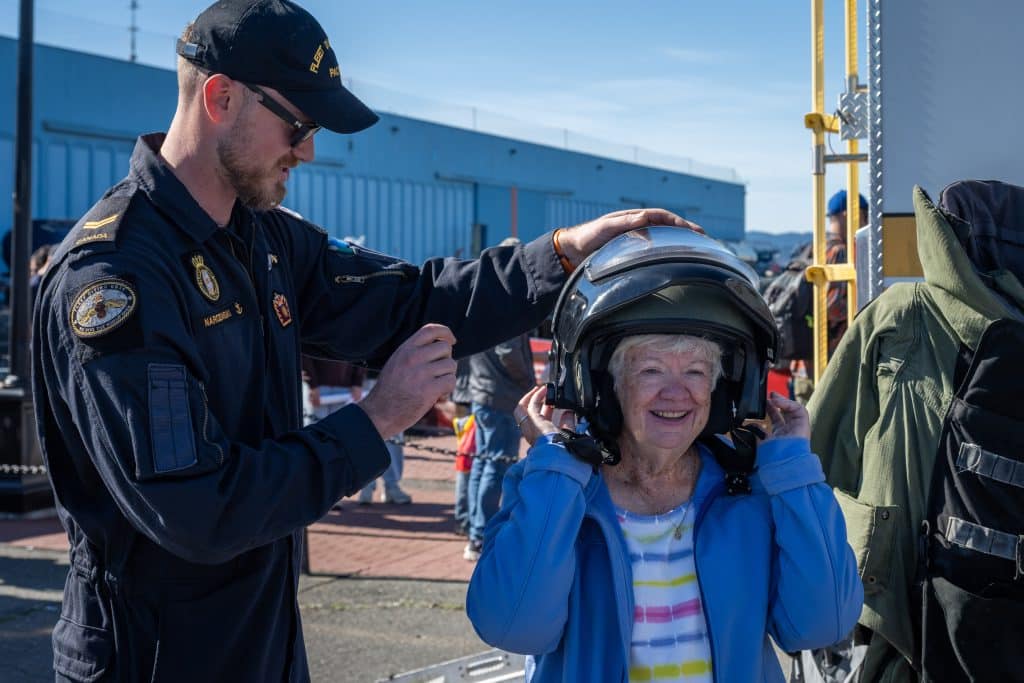
Archana Cini Lookout Newspaper Over 8,000 visitors attended Defence on the Dock 2025 at Ogden Point, exploring Canada’s naval and Defence capabilities up close. Highlights included tours of HMCS Vancouver and HMCS Corner Brook, thrilling RHIB rides, and interactive exhibits across themed zones. The event strengthened public connection to the Canadian Armed Forces and Royal Canadian Navy through education, engagement, and community. - The bustling piers of Ogden Point came alive on Oct 5 as Defence on the Dock returned to Victoria for its fourth iteration. A highly anticipated biennial showcase, Defence on the Dock offered members of the public with a rare opportunity to experience the operations and equipment that make up the Canadian Armed Forces (CAF) and Royal Canadian Navy (RCN). This year’s event featured interactive exhibits, large-scale displays, tours, and hands-on demonstrations spread across themed zones throughout the pier. Approximately 8,000 attendees explored the heart of Canada’s maritime Defence community at the event. Docked at the centre of the excitement was His Majesty’s Canadian Ship (HMCS) Vancouver and His Majesty’s Canadian Submarine Corner Brook, both offering guided tours to attendees. Vancouver welcomed approximately 2,000 visitors aboard its decks, while Corner Brook provided an inside look at life under the sea with tours of its tight quarters and the specialized equipment of the Canadian Submarine Force (CANSUBFOR). For those who preferred action on the waves, rigid-hulled inflatable boat (RHIB) rides gave over 200 attendees the thrill of speeding across the Victoria harbour. To Matt Carlson, Base Public Affairs Projects Officer, the event was incredibly fulfilling. “I’m incredibly proud of our team and stakeholders as it truly was such a special event,” said Carlson. “We learned a lot, and we’re already looking forward to making 2027 even bigger and better.” The day’s programming extended well beyond the fleet, with...

1 2 3 141

Explore More

Categories

Featured News

E-Editions Archive

News Stories Archive