

Lieutenant(Navy) Mike Makow, CD NRU ASTERIX
-
Bligh Island in Nootka Sound is named after Vice-Admiral (V-Adm) William Bligh, linking B.C.’s coast to global naval history.
-
V-Adm Bligh served under Captain James Cook and later survived the infamous HMS Bounty mutiny, navigating 3,500 nautical miles to safety.
-
The island highlights how exploration and maritime history connect distant regions across the world.
–
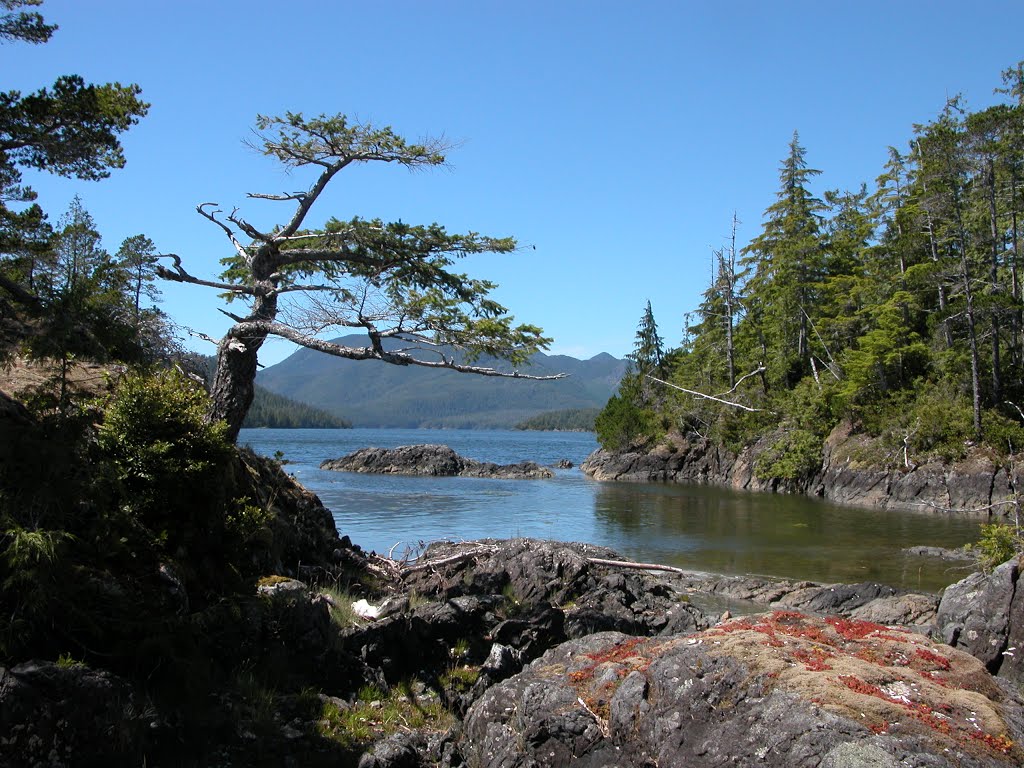
Bligh Island is located in Nootka Sound, on the west coast of Vancouver Island in British Columbia (B.C.). It is situated to the east of Nootka Island, in between the mouths of Muchalat Inlet, Tlupana Inlet, and Tahsis Inlet. While it is a tranquil escape for many today, its name also carries one of the most dramatic tales in local maritime history.
Named after Vice-Admiral (VAdm) William Bligh, the island commemorates a man whose legacy spans both scientific achievement and scandalous rebellion.
The late VAdm Bligh served as Master aboard His Majesty’s Ship (HMS) Resolution during Captain James Cook’s third voyage in 1778. HMS Resolution was a merchant collier purchased and then converted into a warship by the Royal Navy in 1771. It was in a cove on Bligh Island — now known as Resolution Cove — that the Resolution was refitted, marking VAdm Bligh’s first connection to the rugged shores of Nootka Sound.
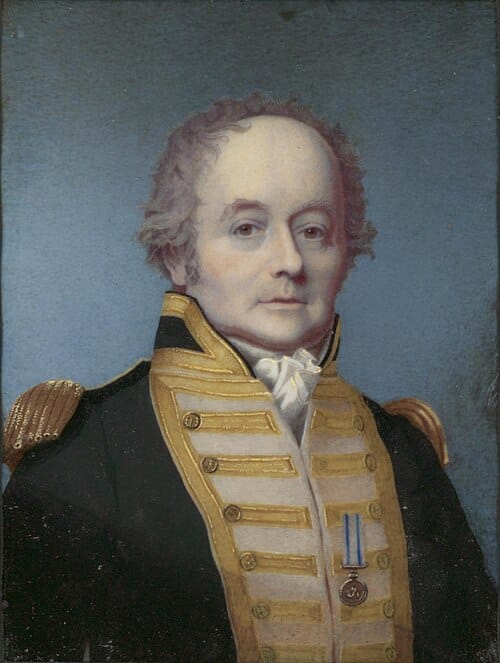
A portrait of VAdm William Bligh, completed by Alexander Huey in 1814. Credit: National Library of Australia
But VAdm Bligh’s fame, or infamy, would come nearly a decade later. In 1787, he was appointed commander of HMS Bounty, tasked with transporting breadfruit plants from Tahiti to the British West Indies. After a five-month layover in Tahiti, where the crew enjoyed a relaxed lifestyle and formed relationships with locals, discipline aboard the Bounty began to unravel.
On April 28, 1789, Acting Lieutenant (A /Lt) Fletcher Christian led a mutiny, seizing the ship and setting Bligh and 18 loyalists adrift in a small launch. Against all odds, VAdm Bligh navigated over 3,500 nautical miles to safety in Timor, a feat hailed as one of the greatest open-boat voyages in maritime history.
Following the mutiny, most mutineers scattered; while some were captured and tried, others vanished into the South Pacific. A/Lt Christian’s group eventually settled on Pitcairn Island, a remote volcanic island in the southern Pacific Ocean, where their descendants live to this day.
On the other hand, VAdm Bligh’s career continued, though controversy followed him after the mutiny. He later served as Governor of New South Wales, where his authoritarian leadership style led to another rebellion, the Rum Rebellion of 1808.
Today, it’s often surprising to residents and visitors of B.C. that this remote island on the west coast of Vancouver Island bears the name of a man whose notoriety was forged thousands of miles away in the South Pacific. The fact that the VAdm William Bligh once stood on local shores is a reminder of how global exploration can often stitch together seemingly distant corners of the world.